9 High Value Transactions to avoid getting an Income Tax Notice:
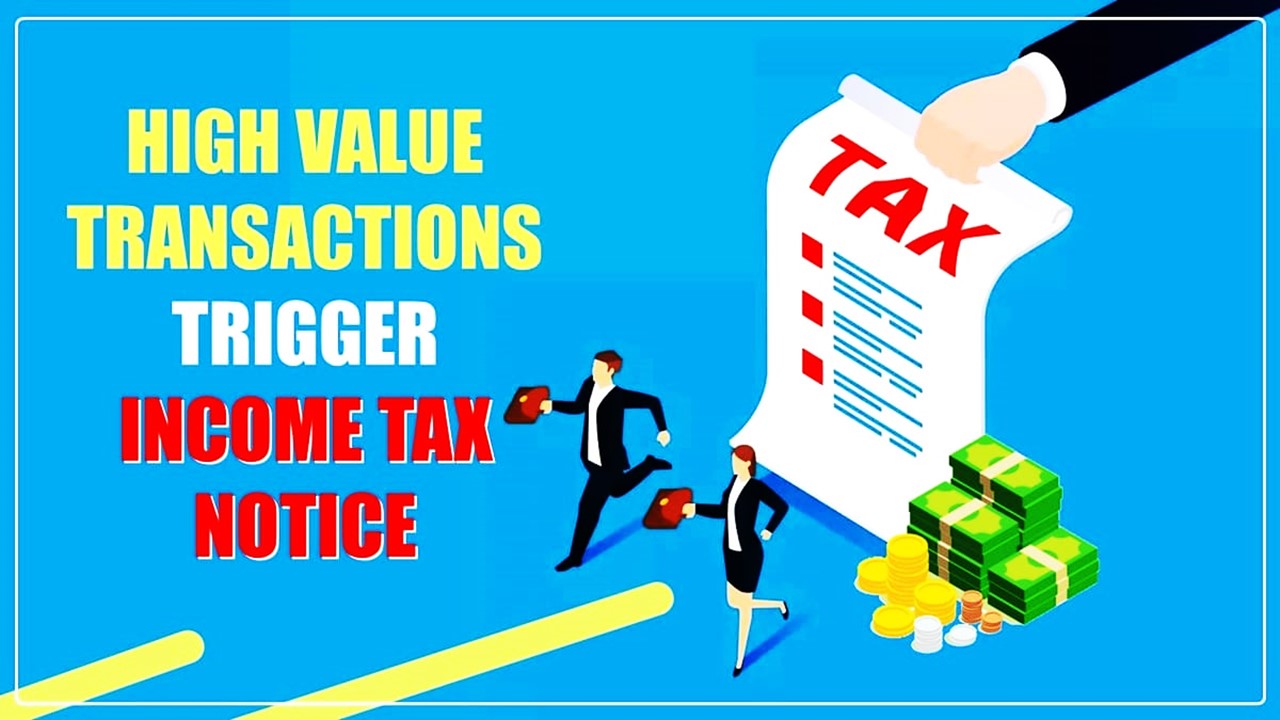
Limit transactions of large cash deposits, property purchases or stock investments to not get an Income Tax Notice.
High Value Transactions
 PRATEEK MAURYA
 May 25, 2024
Table of Contents

9 High Value Transactions to avoid getting an Income Tax Notice
The tax authorities are scrutinizing not only offline but online transactions also. Therefore, Banks and finance institutions have to tell the tax department about those big transactions crossing a certain threshold. This includes every type of transaction and payment made via UPI and card, cash deposits, as well as withdrawals surpassing a specific limit.
The tax official to examine the reported income and expenses, uses advanced data analytics. It can build a comprehensive financial profile of an individual for verification of data from many sources such as bank statements, property records, investment details, and travel records. It can also collect data from external sources such as travel companies, stock markets, and employers in order to examine income sources and discover potential irregularities.
To curb tax evasion, such a level of scrutiny is really useful. It also enables the tax department to launch scrutiny assessments, resolve issues, and undertake investigations in order to gather evidence and recover taxes.
Common Cash Transactions that could attract the lens of the Income Tax Department:
- Depositing or withdrawing cash deposits of more than Rs.50 lakh from a current account in a financial year.
- Cash Deposit of over Rs.10 lakh into a fixed deposit in a financial year.
- In a financial year, purchasing and selling an immovable property worth more than Rs.30 lakh.
- Investments in stocks, mutual funds, debentures and bonds via cash worth more than Rs.10 lakh in a financial year.
- Cash payment exceeding Rs.1 lakh for credit card bills in a financial year.
- Payments of more than Rs.10 lakh were made for credit card debt using any method other than cash in a financial year.
- Sale of foreign currency worth more than Rs.10 lakh in a financial year.
- Cash transactions of more than Rs.10 lakh are used to invest in mutual funds, shares, bonds, or debentures.
About Author


PRATEEK MAURYA
<a href="https://explain24.com" target="_blank">Explain24</a> <a href="https://pngtovtf.com/png-to-vtf-converter/" target="_blank">PNG to VTF</a>
 StudyCafe
 Prayagraj, Uttar Pradesh, India
 77
77My Recent Articles
- ITR Filing 2023-24: How to Download and Understand Form 26AS for Tax Filing
- Instant Mixes Flour of Dosa and Idli subject to 18% GST; Can't be Classified as "Sattu": Gujarat AAAR
- Reliance Power now a Debt-Free Company; Paid all its Debts and Remaining Dues
- GST Teams step up action against Illegal Fuel resale in North Kerala
- GST Officer Voluntarily Surrenders before Jalandhar Court
Up Next
Loading suggestions…


Recent Posts
All Posts


Tags
No tags yet.
Recent Posts
All Posts
Tags
No tags yet.