At FIR Stage, Courts Must Only Examine Prima Facie Case, Not Assess Truth or Reliability of Allegations: Supreme Court:
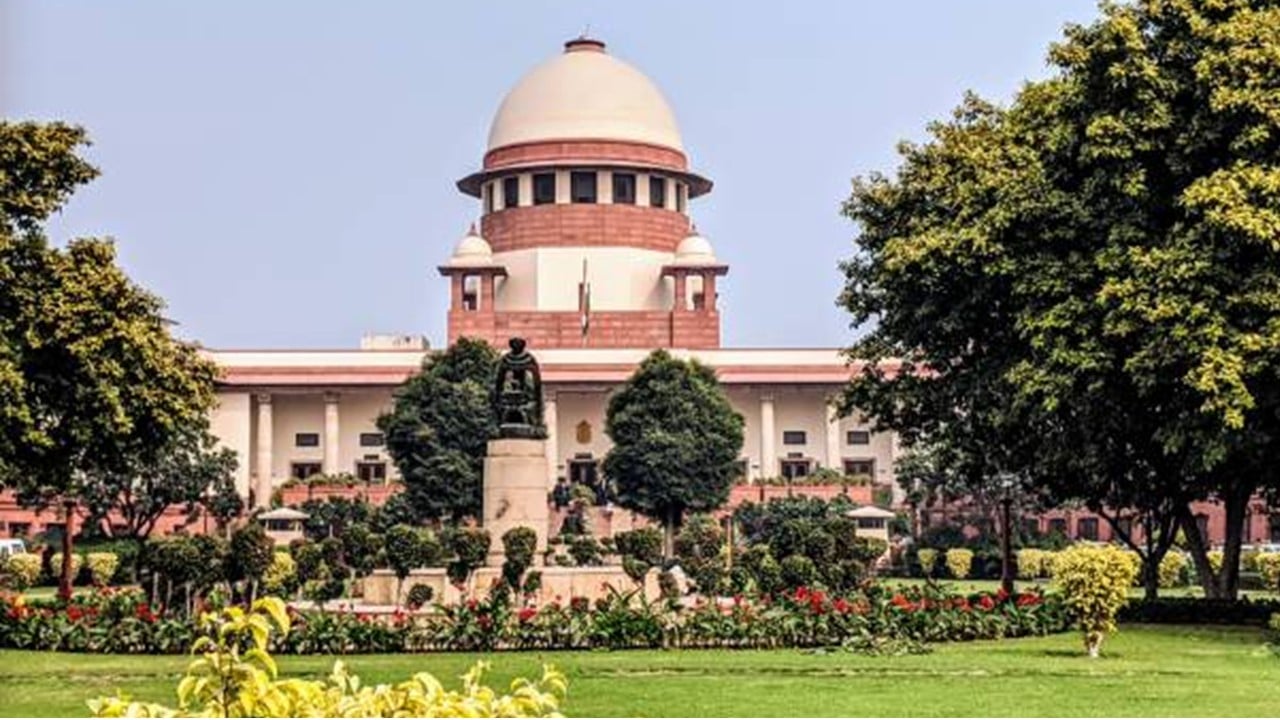
Supreme Court sets aside MP High Court’s quashing of 498A FIR; rules that courts cannot assess truth of allegations at FIR stage and must avoid “mini trials.”
High Court Faulted for Holding “Mini Trial”, Supreme Court Reaffirms FIRs Can’t Be Quashed on Genuineness Grounds
 Meetu Kumari
 Nov 8, 2025
At FIR Stage, Courts Must Only Examine Prima Facie Case, Not Assess Truth or Reliability of Allegations: Supreme Court
Muskan, the appellant, married Ishaan Khan on 20 November 2020 in accordance with Muslim customs. After a few months, she alleged persistent harassment by her husband and in-laws for not bringing sufficient dowry. The cruelty allegedly escalated when she was taunted, physically assaulted, and asked to bring ₹50 lakhs from her father for Ishaan’s medical studies. Unable to bear the abuse, she returned to her parental home and lodged FIR No. 35/2024 at Police Station Alot, Ratlam, under Section 498A IPC and Sections 3 and 4 of the Dowry Prohibition Act against her husband and four relatives.
The accused approached the Madhya Pradesh High Court under Section 482 CrPC to quash the FIR, arguing that Muskan’s earlier complaints did not mention the specific incidents later cited in the FIR, making it an afterthought. The High Court accepted this argument and quashed the proceedings on 19 July 2024, observing that the FIR appeared retaliatory. Muskan appealed to the Supreme Court, asserting that the High Court had exceeded its jurisdiction by examining the truthfulness of allegations at the preliminary stage.
Issue Raised: Whether the High Court erred in quashing the FIR under Section 482 CrPC by assessing the credibility and consistency of allegations instead of limiting itself to determining if a prima facie case was made out.
Supreme Court Held: SC in a judgment delivered by Justices Sanjay Karol and Prashant Kumar Mishra, held that the High Court had committed a legal error by engaging in a “mini trial” while considering the quashing petition. The Bench emphasized that at the FIR stage, courts must only determine if prima facie allegations constitute a cognizable offence not assess their truth or reliability. Referring to precedents such as State of Haryana v. Bhajan Lal (1992), Neeharika Infrastructure v. State of Maharashtra (2021), and State of Odisha v. Pratima Mohanty (2022), the Court reiterated that quashing an FIR is justified only in rare cases where no offence is disclosed or proceedings are patently malicious.
Finding that Muskan’s complaints and FIR collectively contained sufficient material alleging cruelty and dowry demand, the Court restored the prosecution, setting aside the High Court’s order. It clarified that all defences remain open to the accused at trial and that credibility issues must be tested through evidence, not at the quashing stage.
To Read Full Judgment, Download PDF Given Below
About Author


Meetu Kumari
Content Manager
Meetu Kumari is an Experienced Advocate and Content Writer with 4+ years of demonstrated history of working in the law practice industry. Skilled in Developing Content, Researching, and Drafting. Strong professional with a Bachelor of Science (B.Sc.) focused on Law from Gujarat National Law University.
Meetu Kumari is an Experienced Advocate and Content Writer with 4+ years of demonstrated history of working in the law practice industry. Skilled in Developing Content, Researching, and Drafting. Strong professional with a Bachelor of Science (B.Sc.) focused on Law from Gujarat National Law University.
 Studycafe
 Jodhpur, Rajasthan, India
 2264
2264My Recent Articles
- ITAT Condones 302-Day Delay, Restores Salary Assessment for Fresh VerificationPremium
- ITAT Condones Delay After Tax Consultant's Death, Restores Appeals for Fresh HearingPremium
- ITAT Remands Salary Addition, Says Taxability Depends on Salary Becoming Due, Not Mere ReceiptPremium
- ITAT Deletes TP Royalty Adjustment, Orders Fresh Review of Commission BenchmarkingPremium
- ITAT Quashes Reassessment Over Unsigned Section 148 Notice Issued to AssesseePremium
Up Next
Loading suggestions…


Recent Posts

All Posts


Recent Posts
All Posts