Changing Tax Regimes? Do Not Forget to File this Form:
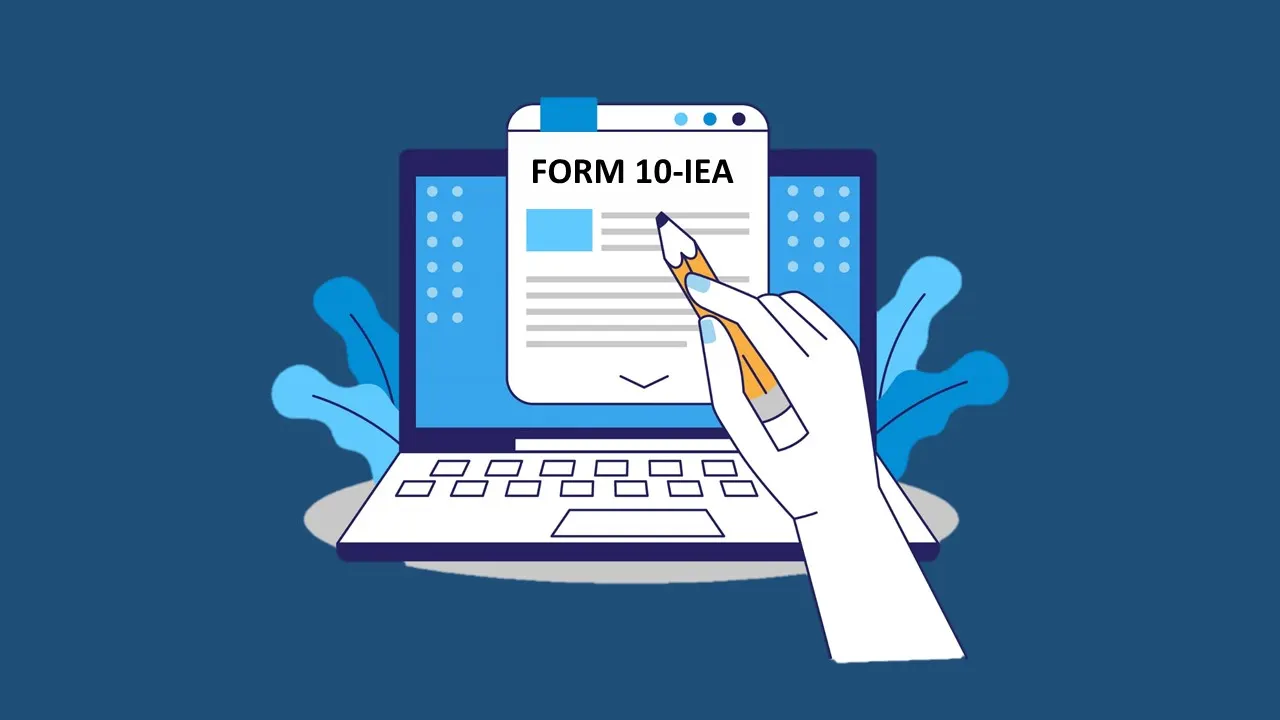
Form 10-IEA is a declaration made by a taxpayer who is continuing with the old tax regime to file their return
How to Change Tax Regime?
 Nidhi
Nidhi Sep 8, 2025
Table of Contents

Changing Tax Regimes? Do Not Forget to File this Form
If you are a taxpayer who is thinking of switching between the income tax regimes, then you should know there is an important form you must file before doing that. Since the new tax regime is a default tax regime, the taxpayers who want to opt for the old tax regime are required to file an important declaration called Form 10-IEA. This form must be filed very carefully, as one mistake could default your income tax return (ITR) to the new tax regime, and you will lose all the deductions and exemptions offered in the old tax regime.
What is Form 10-IEA?
Form 10-IEA is a declaration made by a taxpayer who is continuing with the old tax regime to file their return. Therefore, this form helps the taxpayers to select the old tax regime if they want. The form must be completed before the specified due date to file the ITR. Form 10-IEA is meant for the taxpayers with income from business or profession, i.e., those filing ITR-3 or ITR-4. However, the taxpayers who do not have income from business or profession can also choose the old tax regime by selecting the "Opting out of new regime" in their ITR Form without having to file Form 10-IEA. Additionally, you do not need to file Form 10-IEA if you have filed ITR-3 and ITR-4 in previous years under the old tax regime and you want to continue in the old tax regime. But, if you have filed ITR-3 and ITR-4 last year and want to switch from old to new, or new to old, then you must file Form 10-IEA. Taxpayers can easily file Form 10-IEA online. But if you fail to submit it before the ITR due date or do not submit it at all, you cannot do anything. The form, once submitted, cannot be revised or modified. You can only file a new one in the next year, but with some restrictions.About Author


Nidhi
Content Writer
Nidhi is a skilled content writer specializing in personal finance. She creates clear, engaging articles on mutual funds, investments, insurance, and wealth-building strategies. With a passion for simplifying complex financial topics, Nidhi helps readers make informed money decisions with confidence. She can be reached at [email protected]
Nidhi is a skilled content writer specializing in personal finance. She creates clear, engaging articles on mutual funds, investments, insurance, and wealth-building strategies. With a passion for simplifying complex financial topics, Nidhi helps readers make informed money decisions with confidence. She can be reached at [email protected]
 Studycafe
 New Delhi, Delhi, India
 1832
1832My Recent Articles
- Karnataka High Court Gives Another Chance in GST Matter Due to Lack of Hearing
- Delay Should Be Condoned if Explanation is Unrefuted: ITAT
- Non-Service of Income Tax Notice, Ill health of taxpayer, ITAT condones Appeal filing delay
- Books of Accounts Cannot be Rejected Without Any Specific Defect: ITAT Kolkata
- Karnataka High Court Sends ITC Matter Back to GST Authorities for Reconsideration
Up Next
Loading suggestions…


Recent Posts


All Posts

Recent Posts
All Posts