Delhi High Court Dismisses Appeal Alleging Professional Misconduct Against Advocates:
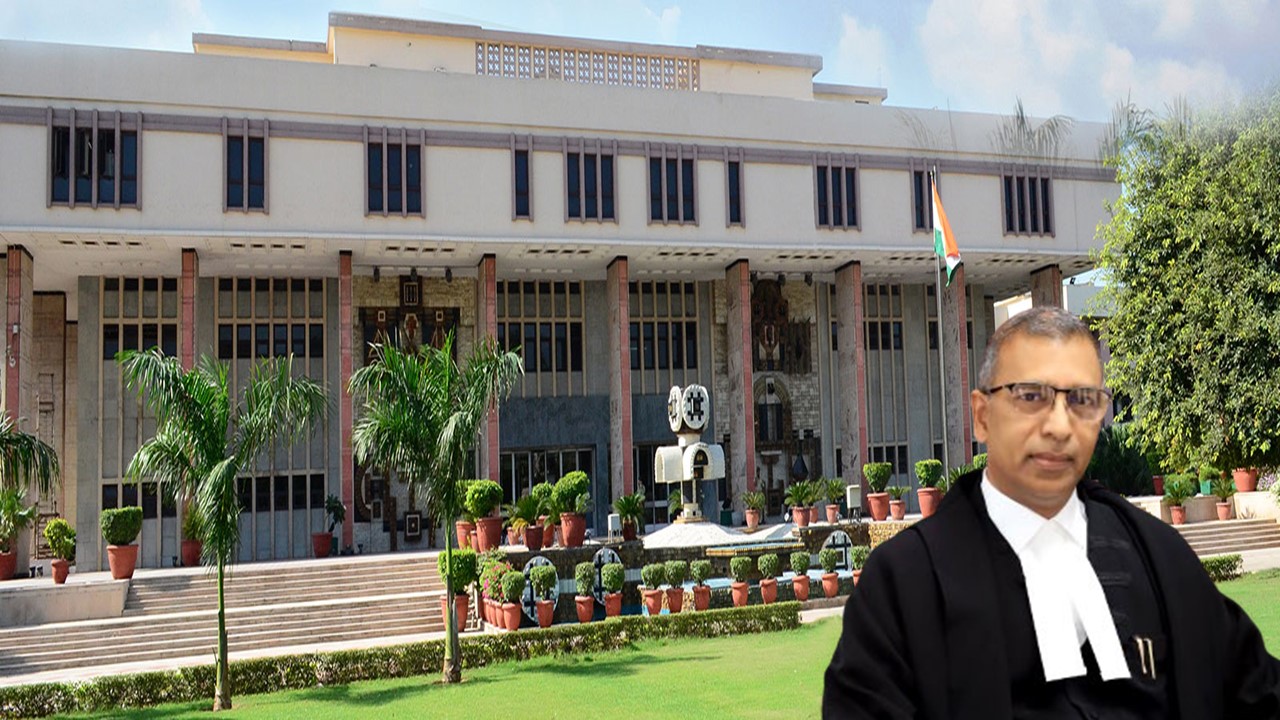
HC dismisses LPA; holds that allegations of misconduct cannot be sustained as advocates act on client instructions and truth of pleadings is for the court.
Court holds that advocates must act on client instructions and cannot be held liable for verifying the truthfulness of their client’s case
 Meetu Kumari
 Aug 30, 2025
Delhi High Court Dismisses Appeal Alleging Professional Misconduct Against Advocates
The Bar Council of Delhi, by order dated 06.10.2023, dismissed the appellant’s complaint against certain advocates on the ground that no professional relationship was established between the complainant and the said advocates. It further held that whether allegations in proceedings under Section 138 of the Negotiable Instruments Act were true or false was a matter for the trial court, and no misconduct was made out.
The appellant’s revision before the BCI under Section 48A of the Advocates Act was dismissed.
The BCI held that under its Rules, an advocate is bound to act on the instructions of the client and is not required to investigate the genuineness of the client’s case. It further observed that no fiduciary lawyer–client relationship existed between the appellant and the advocates, and that an advocate cannot be prosecuted simply because the client’s case was false. Reliance was placed on R. Swaminathan v. Bar Council of Tamil Nadu (2014). The appellant’s contention regarding violation of Rule 4 of the BCI Rules was also rejected.
The Letters Patent Appeal (LPA 431/2025) was filed against the judgment of the Single Judge dated 15.04.2025 in W.P.(C.) No. 4425/2025, by which the writ petition challenging orders of the Bar Council of Delhi and Bar Council of India was dismissed.
Issue Raised: Whether the disciplinary orders of the Bar Council of Delhi (06.10.2023) and Bar Council of India (11.11.2024) rejecting the misconduct complaint suffered from any illegality, where the complaint alleged that opposing advocates failed to verify the genuineness of their client’s case.
HC Held: The Division Bench upheld the Single Judge’s view. It held that advocates representing the adversary do not owe fiduciary duties to the complainant and that the complaint did not constitute “professional misconduct” under Section 35 of the Advocates Act.
The Court further recorded that proceedings initiated under Section 340 Cr.P.C. for alleged perjury and fabrication of documents were already pending, and those issues would be decided by the competent court. Based on the reasoning that an advocate is bound by client instructions and not required to verify the truthfulness of such instructions, the Bench concluded that no illegality or irregularity existed in the Single Judge’s judgment. Therefore, the Letters Patent Appeal was dismissed.
To Read the Judgment, Download PDF Given Below
About Author


Meetu Kumari
Content Manager
Meetu Kumari is an Experienced Advocate and Content Writer with 4+ years of demonstrated history of working in the law practice industry. Skilled in Developing Content, Researching, and Drafting. Strong professional with a Bachelor of Science (B.Sc.) focused on Law from Gujarat National Law University.
Meetu Kumari is an Experienced Advocate and Content Writer with 4+ years of demonstrated history of working in the law practice industry. Skilled in Developing Content, Researching, and Drafting. Strong professional with a Bachelor of Science (B.Sc.) focused on Law from Gujarat National Law University.
 Studycafe
 Jodhpur, Rajasthan, India
 2264
2264My Recent Articles
- ITAT Condones 302-Day Delay, Restores Salary Assessment for Fresh VerificationPremium
- ITAT Condones Delay After Tax Consultant's Death, Restores Appeals for Fresh HearingPremium
- ITAT Remands Salary Addition, Says Taxability Depends on Salary Becoming Due, Not Mere ReceiptPremium
- ITAT Deletes TP Royalty Adjustment, Orders Fresh Review of Commission BenchmarkingPremium
- ITAT Quashes Reassessment Over Unsigned Section 148 Notice Issued to AssesseePremium
Up Next
Loading suggestions…


Recent Posts


All Posts


Tags
Recent Posts
All Posts