Everything You Need To Know About Credit Score
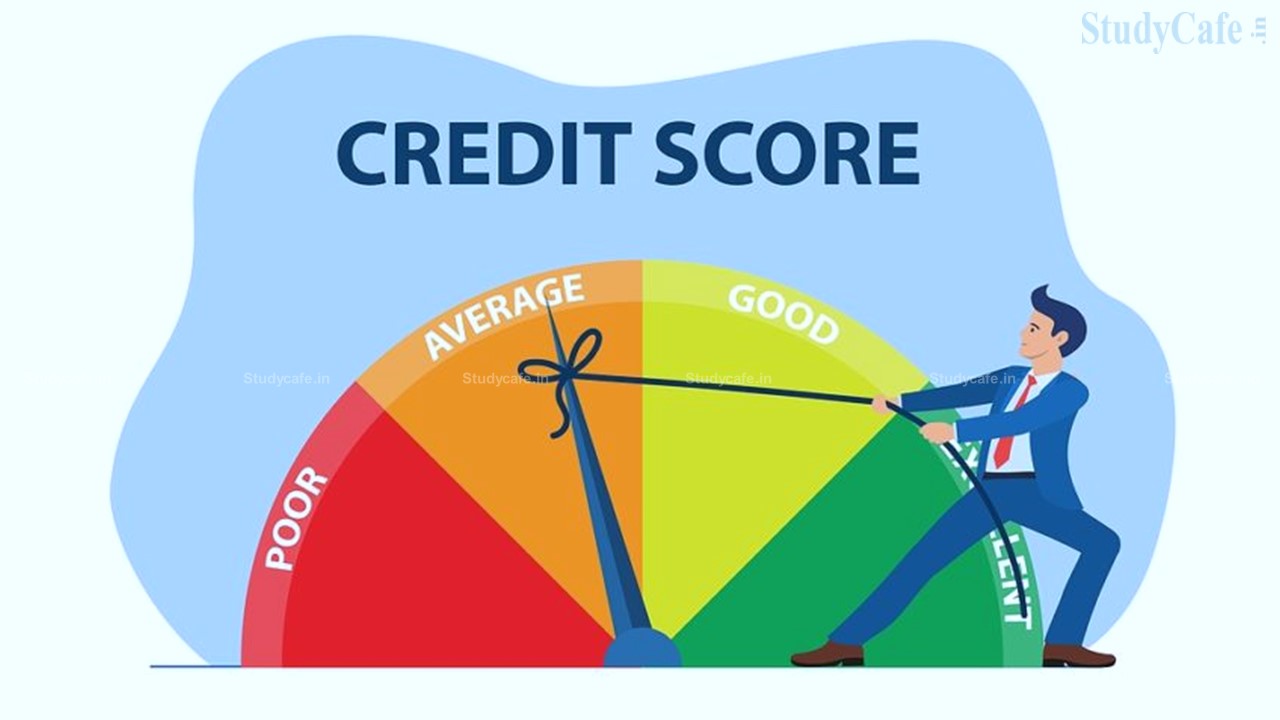
Everything You Need To Know About Credit Score When it comes to your financial well-being, your credit score is quite important. While most people ar…
 Deepshikha Mahapatra
 Mar 24, 2022
Table of Contents

Everything You Need To Know About Credit Score
When it comes to your financial well-being, your credit score is quite important. While most people are aware that their credit score is important for getting a loan authorised, few are aware that having a high credit score also benefits their financial situation.
This is because having a good credit score might help you save money. The better your credit score, the cheaper your interest rate will be, saving you money over the life of your loans.
As a result, this post will walk you through everything that affects your credit score, including what factors help and hinder your score, what causes bad credit, how to check your score, and, most importantly, how to raise your credit score quickly.
Why your credit score is important?
As previously said, your credit score is critical in obtaining loan approval. This enables you to purchase a home, a car, or even a credit card. However, your credit score serves you in more ways than one when it comes to borrowing money. Your credit score is taken into account by your auto insurer in many circumstances. Why? They discovered a link between credit scores and driving patterns after analysing the numbers. They discovered that drivers with the highest credit scores are more responsible. The less careless a driver is, the less likely they are to cause an accident. This is a sliding scale relationship. This means that if you have a good credit score, you will be able to receive cheaper vehicle insurance. If you have negative credit, you will pay a higher insurance premium. Even getting a job depends on your credit score! Employers, like auto insurers, have crunched their numbers. They have discovered a link between good employees and a good credit score. As you can see, maintaining a high credit score is critical not only for having a loan authorised but also for saving money on insurance and securing a job.Monitoring your credit report
Because your credit score and credit report are so tightly linked, I figured now would be a good time to discuss your credit report. Your credit report contains a wealth of personal information about you, including where you've lived, the sorts of credit you've had, and any reported bankruptcies. TransUnion, Equifax, and Experian are the three major credit reporting agencies. Each credit reporting organisation keeps track of your credit report and credit score. As a result, credit reports and credit scores may differ between agencies due to the fact that creditors and utilities may disclose your credit history to one or all bureaus. Your power company, for example, may simply report your payment history to Transunion. If you are late with your electric payments, your Transunion credit score may be lower than your Experian credit score. Because your credit score is based on a combination of factors from your credit report, it's critical to check your credit report at all three agencies once a year.Checking your credit score
How can you find out what your credit score is? It was difficult to do back in the day. To obtain your credit score, you have to contact the credit reporting companies and pay them. Every time you performed this, you were usually gazing at a $30 bill. Fortunately, technology and the government have altered the situation. Your credit score is now available for free from a variety of sources. Your credit card company is a good place to acquire your score. Discover provides a free credit score with their credit card, and many other credit card companies are following suit. Third-party firms can also provide you with a free credit score. However, there is no obligation to sign up for credit monitoring. You can just obtain your score at no cost. If you try to receive your credit score for free from one of the credit reporting agencies, you will be required to join up for their monthly monitoring service in exchange for your credit score. After applying for credit, you can also get your score for free. After you apply for a loan, lenders are now compelled to send you your credit score. While this is convenient, it does not assist you in the sense that you do not know your credit score until after you have applied for credit.Final Thoughts
Overall, it's critical to keep an eye on your credit record and score. You can detect fraud or identity theft issues by monitoring your credit report before they become a huge hassle for you. It's also vital to maintain a high credit score so that when you do take out a loan, you can get the best interest rate available, which saves you money both now and over time in terms of monthly payments and interest. If you take your credit seriously, you'll be able to achieve a higher credit score than you currently have. And, if your credit score isn't where you want it to be, use the strategies I provided to fast raise your credit score.About Author


Deepshikha Mahapatra
Editor
 Studycafe
 Bhubaneswar, Orissa, India
 226
226Up Next
Loading suggestions…


Recent Posts


All Posts
Tags
Recent Posts
All Posts