Good News: New Excise Duties And Health Cess To Take Effect February 1, 2026:
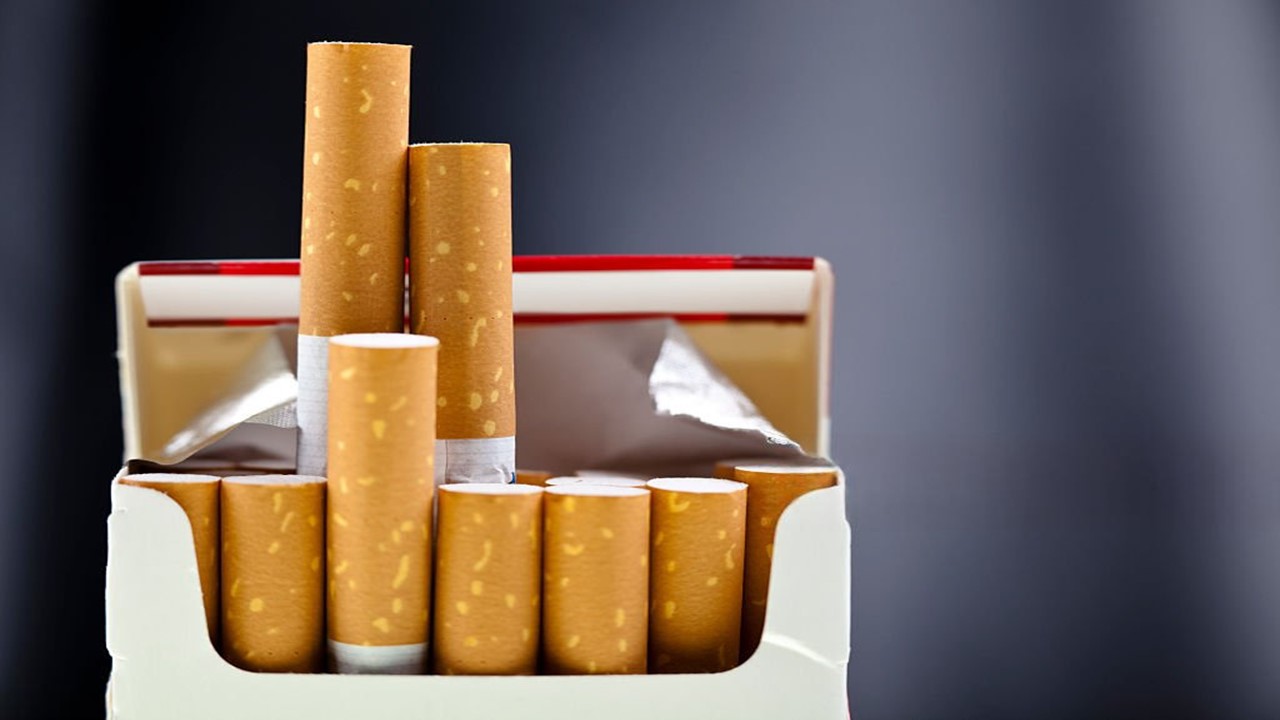
Starting on February 1, 2026, the existing GST compensation cess on these “sin goods” will be replaced by a new regime featuring additional excise duties and specialized health cess.
Tax Rate Changes for Pan Masala & Tobacco Products,
 Prashant Nikose
 Jan 7, 2026
Table of Contents

Good News: New Excise Duties And Health Cess To Take Effect February 1, 2026
In a significant shift to the country’s public health policy, the government of India has announced the restructuring of taxes on tobacco and pan masala. Starting on February 1, 2026, the existing GST compensation cess on these “sin goods” will be replaced by a new regime featuring additional excise duties and specialized health cess.
This transition requires businesses in the supply chain to update their compliance systems immediately. To ensure a smooth transition and maintain accurate records, many distributors and retailers are turning to advanced GST billing software to automate the calculation of these new duties and prevent filing errors.
This move aims to put India on par with global tobacco taxation standards while tightening the net on tax evasion in high sectors.
Multi-Tier Tax Structure
Under the new notification from the finance ministry, the tax burden will be categorized as follows: Pan Masala & Tobacco Products: A health and national security cess plus an additional excise duty will be applied on top of the standard 40% GST rate. Biris: The new levies will be applied over the existing 18% GST rate. Specific Duties: Gutkha: 91% additional excise duty. Cigarettes: Rates will be determined by stick length and filter, ranging from ₹2,050 to ₹8,500 per 1,000 sticks.Bridging the Global Gap
Government sources emphasize that this hike is a necessary correction. While the World Health Organisation (WHO) recommends a tax incidence of at least 75% of the retail price to effectively curb consumption, World Bank estimates place India’s current incidence at approximately 53% By introducing these adjustments, the government intends to ensure that the tax burden remains proportionate to the public health risk associated with tobacco. This ends a seven-year plateau in excise revision, a period during which India was considered a global outlier for not indexing tobacco taxes to inflation.Tackling Evasion via “Triangulation”
Beyond health concerns, the new policy introduces a robust mechanism to prevent revenue leakage: MRP-based valuation: For products like khaini and gutka, GST value will now be determined by the maximum retail price printed on the package, providing a clear “value trail.” Machine Capacity Levies: The health cess on pan masala will be based on the production capacity of manufacturing units. By comparing sales value (GST data) with production capacity (Cess data), the government can “triangulate” data to catch clandestine production and underreporting, issues that have historically plagued the smokeless tobacco sector.Funding Health and National Security
Finance Minister Nirmala Sitharaman previously noted in Parliament that the revenue generated from the health cess is intended to create a “dedicated and predictable resource stream” for public health initiatives and national security. While the excise duty proceeds will enter the divisible pool, where 41% is shared among states per Finance Commission norms, the health cess revenue will be partially directed back to states specifically for health awareness programs and related activities.About Author


Prashant Nikose
Marketing manager
 V K CONTROL SYSTEMS PRIVATE LIMITED
 Pune, Maharashtra, India
 1
1Up Next
Loading suggestions…


Recent Posts



All Posts


Recent Posts
All Posts