GST 2.0 Reforms 2025: Big Tax Cuts Coming for Households, Students, Farmers, and Businesses:
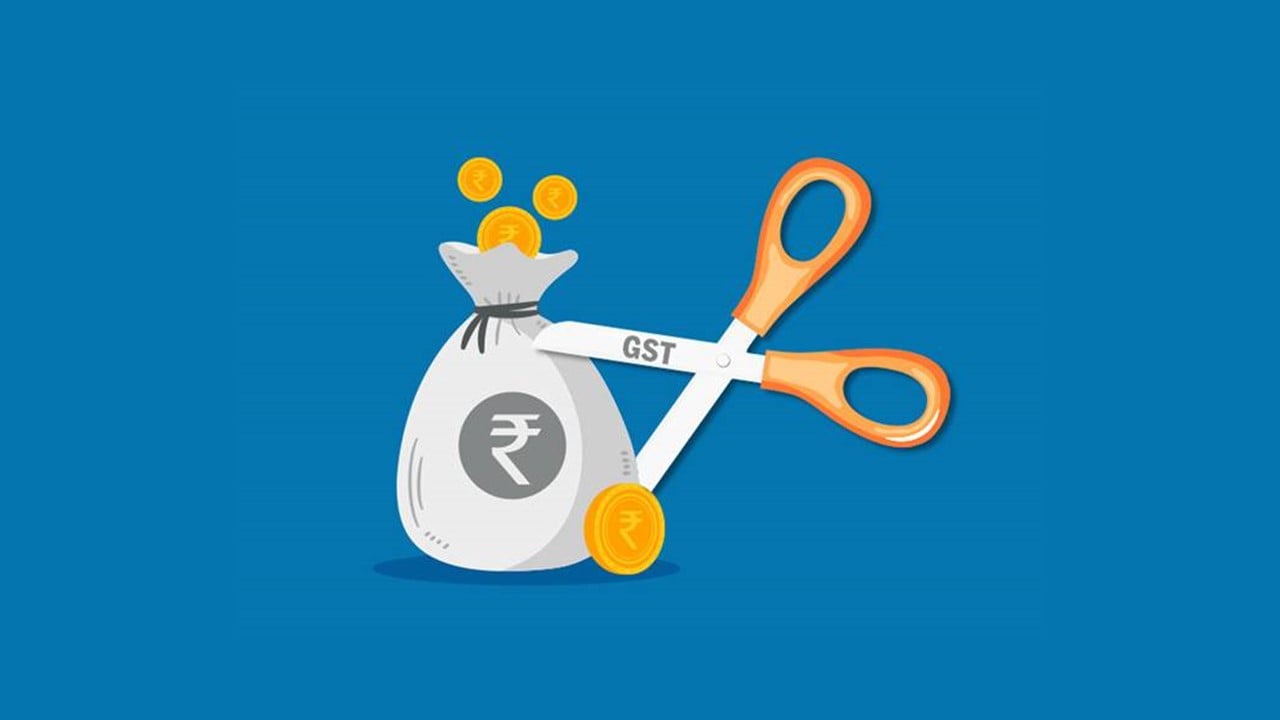
GST 2.0 aims to cut tax rates on essential goods, education items, food products, textiles, and fertilisers, bringing relief to households, students, farmers, and businesses.
GST 2.0 Reforms Aimed to Reduce Inflation on Frequent Used Goods
 Saloni Kumari
 Aug 29, 2025
GST 2.0 Reforms 2025: Big Tax Cuts Coming for Households, Students, Farmers, and Businesses
The Council of GST (Goods and Services) is soon anticipated to introduce some significant amendments in GST laws under GST 2.0, which can result in a reduction of households, students, farmers, and businesses' costs. Ultimately, reduce inflation in the country.
The changes recommended under GST 2.0, which are likely to be discussed in the GST council meeting scheduled to be held on September 3-4, 2025, in New Delhi, aim to expand the list of items with zero tax, reduce the 12% tax rate, and lower taxes on some goods currently taxed at 18%.
More Tax-Free Items Under GST 2.0
By these GST changes, the council is expecting to amend the zero tax slabs, introducing various distinct types of significant products under nil GST. The council is likely to shift GST slabs of 5% and 18% to zero for products like UHT milk, pre-packaged paneer (chena), pizza bread, khakhra, chapati, and roti. Parathas, which were earlier taxed at 18%, are also anticipated to be included in the suggested zero-rate list, as per the Group of Ministers on Rate Rationalisation.
Items related to education are also likely to benefit from this proposal. Items such as Maps, pencil sharpeners, pencils (including crayons, pastels, tailor’s chalk, and drawing charcoals), atlases, globes, printed charts, exercise books, graph books, and laboratory notebooks are also likely to shift to the Zero slab from 12%. If the council allows the proposed amendments, households and students will enjoy a major relief, as changes would simplify GST rules and improve transparency.
Many Daily Use Essential Goods to Get Cheaper
GST 2.0 changes may reduce GST on several common-use goods, including butter, condensed milk, jams, mushrooms, dates, nuts, and namkeens, from 12% to 5%. Bakeries, sweet shops, and packaged food manufacturers will benefit from these changes.
Presently, Chocolates with cocoa, cereal flakes, pastries, ice cream, etc., are taxed at an 18% GST rate; this rate is proposed to be reduced to 5%. All these GST amendments are aimed towards making the indirect tax system more uniform and stable. Also, to reduce inflation on often-used goods.
GST Cut on Textiles and Fertilisers
GST cuts can be seen on textile industry products like woven fabrics of cotton, man-made fibres, wool, apparel, hosiery, and blended textiles. Rates are proposed to be reduced to 5%.
Changes will also affect the agricultural sector. GST rates on key fertilisers such as urea, diammonium phosphate (DAP), muriate of potash (MOP), single super phosphate (SSP), and complex fertilisers may shift to 5% from the present 12%. This will ultimately reduce their purchasing price, hence reducing the cultivation cost for farmers.
About Author


Saloni Kumari
Content Writer
Saloni is a Content Writer with 2+ years of experience at studycafe.in. She writes legal, taxation, and finance related content including GST, Income Tax etc. Skilled in translating complex judicial pronouncements and regulatory developments into clear, and reader-friendly articles. Experienced in covering judgements of ITAT, High Court, GSTAT, and news related to Income Tax, GST, and corporate law. She can be reached at [email protected].
Saloni is a Content Writer with 2+ years of experience at studycafe.in. She writes legal, taxation, and finance related content including GST, Income Tax etc. Skilled in translating complex judicial pronouncements and regulatory developments into clear, and reader-friendly articles. Experienced in covering judgements of ITAT, High Court, GSTAT, and news related to Income Tax, GST, and corporate law. She can be reached at [email protected].
 StudyCafe
 Delhi, Delhi, India
 2923
2923My Recent Articles
- MCA and ICSI to Hold User Awareness Session on Form AOC-4 Filing Amid Glitches on MCA-21 Version-3 Portal
- GSTN Introduces New E-Invoicing Facility for Self-Invoices Under Reverse Charge Mechanism
- Flexi Cap vs Multi Cap Funds: What's the Real Difference?
- IBA Recommends Public Sector Banks to Reduce Ambit of Physical Branch Audits to 50% of Total Business
- ITAT Directs AO to Reconsider Rs 16.44 Lakh Capital Gains and Rs 25.87 Lakh Stamp Duty Value Addition
Up Next
Loading suggestions…


Recent Posts


All Posts

Tags
Recent Posts
All Posts