HC Dismisses Writ in Bogus CENVAT Credit Case, Grants Taxpayer Final Chance to File Statutory Appeal:
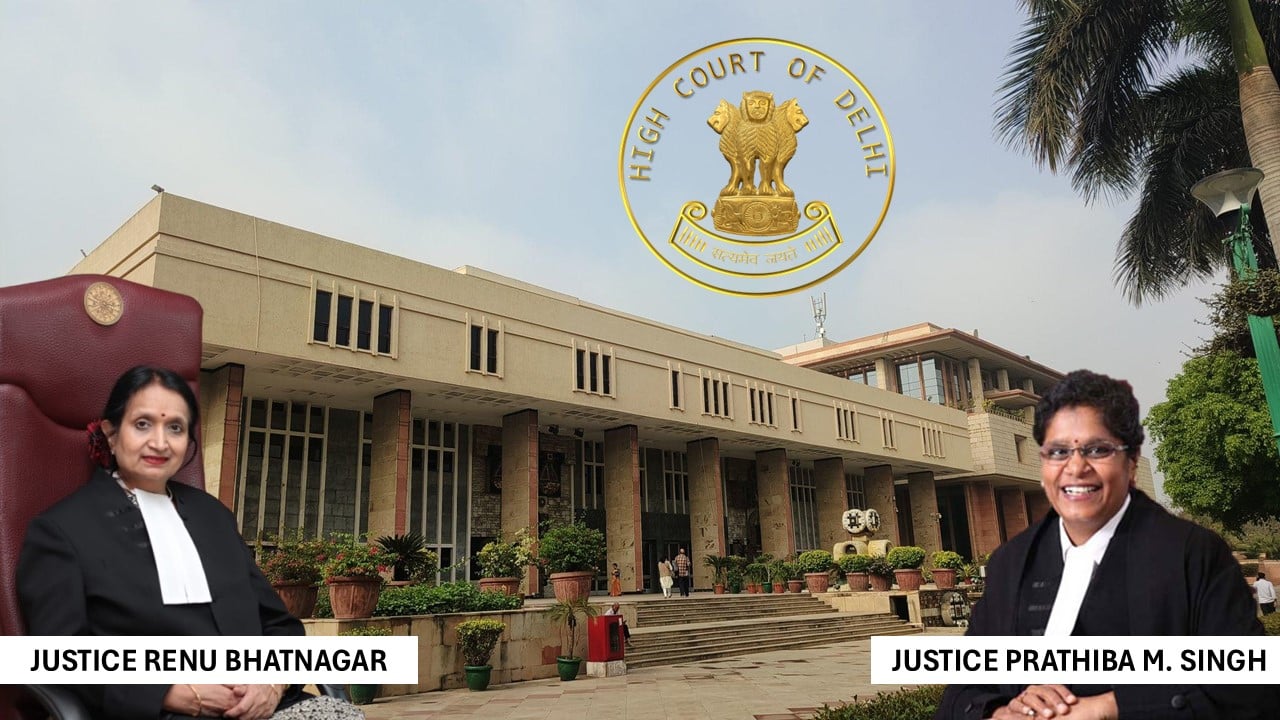
The High Court dismissed Navneet Bansal’s writ petition in a fake invoice and bogus tax credit case, directing him to avail the statutory appeal remedy instead.
Delhi HC Declines to Interfere in Fake Invoice Matter
 Saloni Kumari
 Dec 24, 2025
HC Dismisses Writ in Bogus CENVAT Credit Case, Grants Taxpayer Final Chance to File Statutory Appeal
The Delhi High Court dismissed a writ petition in a fake invoice and bogus tax credit case, holding that such factual disputes must be resolved through the statutory appeal process, while granting him a final opportunity to file an appeal.
Navneet Bansal filed the present appeal in the Delhi High Court, challenging an order dated November 28, 2024, by the Additional Commissioner, CGST Delhi North.
Previously, an investigation was started against the petitioner by the Directorate General of GST Intelligence (DGGI) Delhi Zonal Unit on grounds of the availment of ineligible CENVAT Credit by raising fraudulent invoices displaying the sale of goods. During a search, Navneet Bansal himself admitted that he issued invoices without supplying goods and returned cash after deducting commission. He never retracted this statement later. The GST department issued a Show Cause Notice (SCN) dated May 07, 2021, against the petitioner. The department asked Navneet to furnish all relevant documents. However, Navneet never replied to the notice and also never participated in the proceedings. As a result, the department issued a penalty order against Navneet, imposing a demand of Rs. 1.63 crore.
The aggrieved Navneet filed a writ petition in the Delhi High Court, where he raised the key argument that the department did not give him copies of the documents that were relied upon in the case (RUDs). His lawyer also said that another company, M/s Devansh Chemical Pvt. Ltd., has already challenged a similar notice in a separate writ petition. Based on that, the petitioner tried to rely on the arguments made by that company, which are mentioned in the impugned order.
However, the High Court rejected the claim of Navneet, ruling that he cannot rely on another company's submission, especially in a case where he himself did not file any reply in defence or participate in legal proceedings. Further, the court ruled that cases related to the availment of bogus tax credit or issuance of fake invoices are generally complex and factual; hence, they should be first decided in statutory appeals, not directly in high court writ petitions.
To announce the final decision, the court cited an earlier Supreme Court judgement and one of its own judgements based on the same issue. They all ruled the same: that when an appeal remedy is available, writ jurisdiction should be used only in exceptional cases. This was not such a case. In the end, the court dismissed the writ petition. However, the Court gave Navneet a final chance to file a statutory appeal. All pending applications are closed now.
About Author


Saloni Kumari
Content Writer
Saloni is a Content Writer with 2+ years of experience at studycafe.in. She writes legal, taxation, and finance related content including GST, Income Tax etc. Skilled in translating complex judicial pronouncements and regulatory developments into clear, and reader-friendly articles. Experienced in covering judgements of ITAT, High Court, GSTAT, and news related to Income Tax, GST, and corporate law. She can be reached at [email protected].
Saloni is a Content Writer with 2+ years of experience at studycafe.in. She writes legal, taxation, and finance related content including GST, Income Tax etc. Skilled in translating complex judicial pronouncements and regulatory developments into clear, and reader-friendly articles. Experienced in covering judgements of ITAT, High Court, GSTAT, and news related to Income Tax, GST, and corporate law. She can be reached at [email protected].
 StudyCafe
 Delhi, Delhi, India
 2924
2924My Recent Articles
- Major Relief in Arbitration Case: MCIA Denies Rs 908 Crore Statement Claim Made by Allied Silica Against Tata Chemicals
- MCA and ICSI to Hold User Awareness Session on Form AOC-4 Filing Amid Glitches on MCA-21 Version-3 Portal
- GSTN Introduces New E-Invoicing Facility for Self-Invoices Under Reverse Charge Mechanism
- Flexi Cap vs Multi Cap Funds: What's the Real Difference?
- IBA Recommends Public Sector Banks to Reduce Ambit of Physical Branch Audits to 50% of Total Business
Up Next
Loading suggestions…


Recent Posts


All Posts


Tags
Recent Posts
All Posts