High Court Remands Condonation of Delay Plea to PCIT for Fresh Consideration:
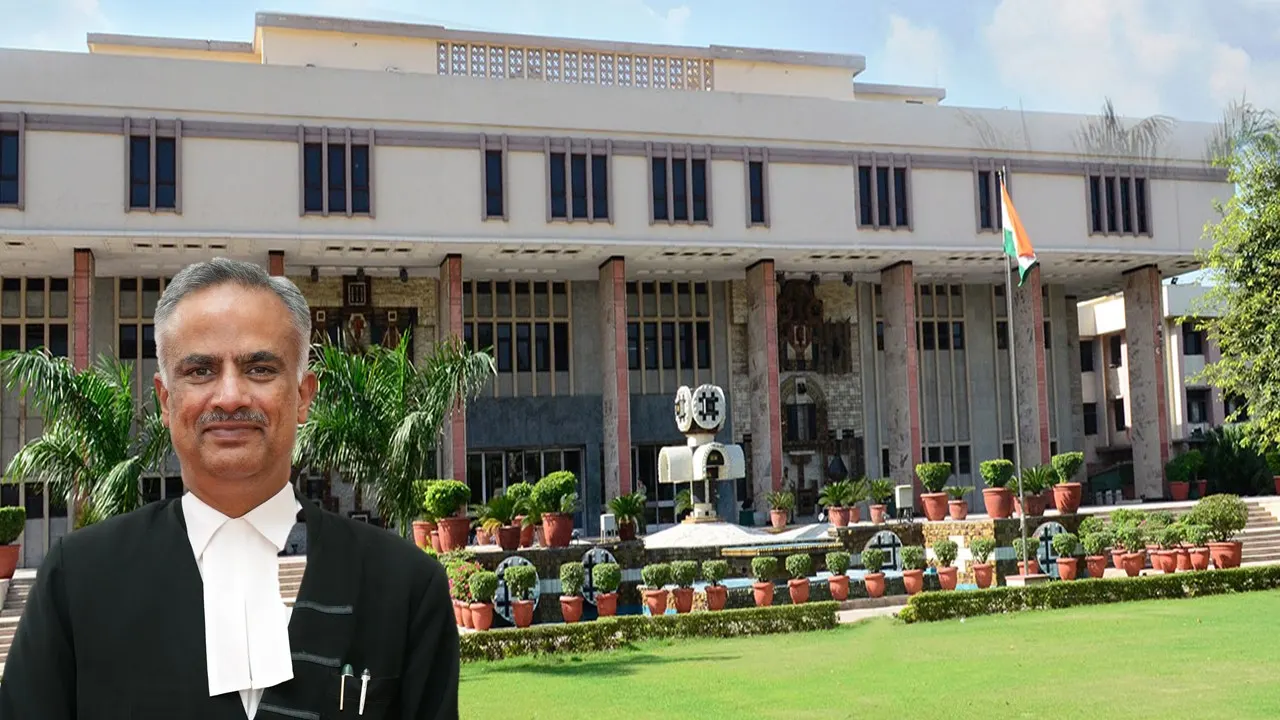
High Court sets aside rejection condonation application for late filing of ITR and Form 10-IC, holding PCIT must reconsider under Section 119(2)(b) of the Income Tax Act
High Court Remands Condonation Plea to PCIT; Holds Liberal View on “Genuine Hardship”
 Meetu Kumari
 Oct 6, 2025
High Court Remands Condonation of Delay Plea to PCIT for Fresh Consideration
The petitioner filed its return of income for AY 2023-24 on December 30, 2023, declaring a taxable income of Rs. 19.76 lakh and a refund of Rs. 4,190. It opted for concessional tax under Section 115BAA, which required filing Form 10-IC by October 31, 2023. However, the form was belatedly filed on 29.12.2023. The petitioner applied for condonation of delay under Section 119(2)(b), attributing the lapse to oversight by its accountant due to ill health and workload.
The Principal Commissioner of Income Tax, Delhi-7, rejected the plea on 21.06.2024, holding that negligence of the accountant did not constitute “genuine hardship” under CBDT Circular No. 09/2015. The rejection led to the denial of concessional tax under Section 115BAA and a demand of Rs. 1.34 lakh.
Main Issue: Whether failure to file ITR and Form 10-IC within the prescribed time due to the accountant’s lapse amounted to “genuine hardship” warranting condonation under Section 119(2)(b).
HC's Decision: The Court noted that the PCIT’s order lacked reasoning and failed to consider whether the accountant’s lapse constituted reasonable cause. It emphasised that Section 119(2)(b) is a beneficial provision and “genuine hardship” must be construed liberally, as held in B.M. Malani v. CIT, Sitaldas K. Motwani v. DIT, and Ramesh Kumar Shokeen v. PCIT. The Bench observed that a taxpayer should not suffer solely for the mistakes of professionals they depend upon.
Relying also on Rafiq v. Munshi Lal, the Court held that the impugned order was unreasoned and mechanical. Therefore, it set aside the order dated 21.06.2024 and remanded the matter back to the PCIT for fresh adjudication of the condonation application in accordance with law.
To Read Full Judgment, Download PDF Given Below
About Author


Meetu Kumari
Content Manager
Meetu Kumari is an Experienced Advocate and Content Writer with 4+ years of demonstrated history of working in the law practice industry. Skilled in Developing Content, Researching, and Drafting. Strong professional with a Bachelor of Science (B.Sc.) focused on Law from Gujarat National Law University.
Meetu Kumari is an Experienced Advocate and Content Writer with 4+ years of demonstrated history of working in the law practice industry. Skilled in Developing Content, Researching, and Drafting. Strong professional with a Bachelor of Science (B.Sc.) focused on Law from Gujarat National Law University.
 Studycafe
 Jodhpur, Rajasthan, India
 2264
2264My Recent Articles
- ITAT Condones 302-Day Delay, Restores Salary Assessment for Fresh VerificationPremium
- ITAT Condones Delay After Tax Consultant's Death, Restores Appeals for Fresh HearingPremium
- ITAT Remands Salary Addition, Says Taxability Depends on Salary Becoming Due, Not Mere ReceiptPremium
- ITAT Deletes TP Royalty Adjustment, Orders Fresh Review of Commission BenchmarkingPremium
- ITAT Quashes Reassessment Over Unsigned Section 148 Notice Issued to AssesseePremium
Up Next
Loading suggestions…


Recent Posts


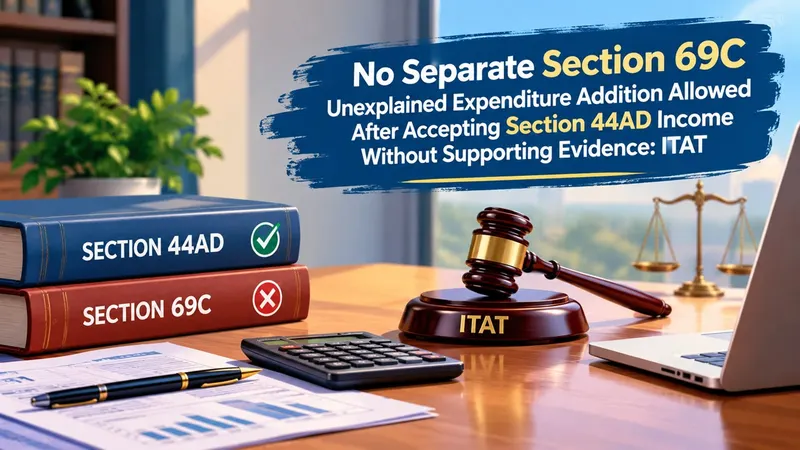
All Posts

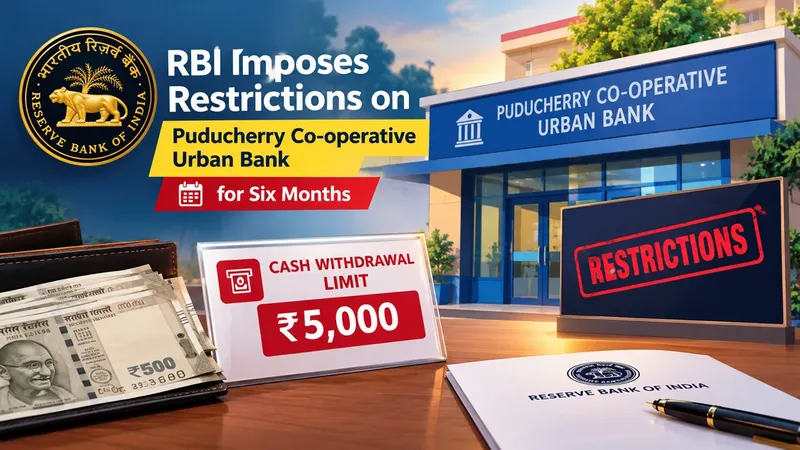

Recent Posts
All Posts