Delhi HC Sets Aside Rejection of Condonation for 12-Day Delay in ITR Filing:
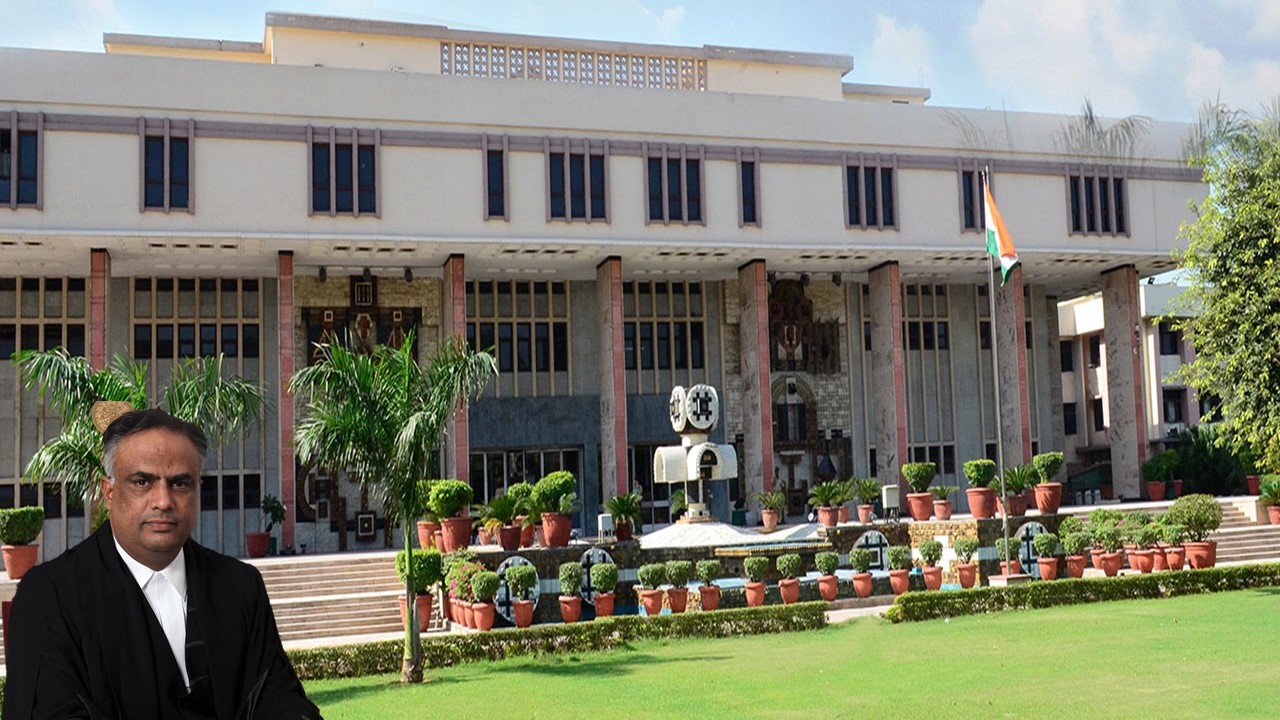
Court remands matter to PCIT, holding that rejection order lacked reasoning and failed to consider COVID-related hardships
PCIT Must Reconsider ITR Delay Condonation Afresh, Rules Delhi HC
 Meetu Kumari
 Oct 4, 2025
Delhi HC Sets Aside Rejection of Condonation for 12-Day Delay in ITR Filing
The petitioner filed his income tax return for AY 2021-22 on 12.01.2022 under Section 139(4), declaring taxable income of Rs. 11,40,040 and claiming carry forward of long-term capital loss of Rs. 41,85,770 on the sale of securities. The return was delayed by 12 days beyond the extended due date of 31.12.2021. CPC disallowed the carry forward of the loss, leading the petitioner to apply under Section 119(2)(b) of the Income Tax Act, 1961, for condonation of delay. In his application, the petitioner cited the disruption caused by the second and third waves of the COVID-19 pandemic, reduced staff strength, and office closures in December 2021, which prevented timely filing.
PCIT's Ruling: The Principal Commissioner of Income Tax, by order dated 30.05.2023, rejected the application, reasoning that transport facilities were operational in December 2021 and sufficient time was available to file the return. He concluded that no “genuine hardship” was demonstrated as required under CBDT Circular No. 9/2015.

Aggrieved, the petitioner challenged the rejection before the High Court, arguing that the order was mechanical, ignored the detailed explanation and CBDT/Supreme Court relaxations during the pandemic, and was contrary to precedents emphasising liberal construction of “genuine hardship.”
Main Issue: Whether the Principal Commissioner was justified in rejecting the condonation of a 12-day delay in filing ITR for AY 2021-22 without adequately considering COVID-related hardships and without giving proper reasons.

HC's Ruling: The Hon'ble High Court set aside the impugned order and remanded the matter to the PCIT for de novo consideration. The Court held that an authority exercising power under Section 119(2)(b) acts as a quasi-judicial body and must pass a reasoned order, addressing the grounds raised by the assessee. Merely stating that no genuine hardship existed, without dealing with the detailed averments about the pandemic’s impact on office functioning, was unsustainable.
The Court emphasized that the CBDT Circular and case law require a liberal interpretation of “genuine hardship” to ensure substantive justice. The rejection order was mechanical and failed to apply these principles. Therefore, the Court directed the PCIT to reconsider the petitioner’s application afresh in light of the submissions, statutory scheme, and judicial precedents.
To Read Full Judgment, Download PDF Given Below
About Author


Meetu Kumari
Content Manager
 Studycafe
 Jodhpur, Rajasthan, India
 2264
2264My Recent Articles
- ITAT Condones 302-Day Delay, Restores Salary Assessment for Fresh VerificationPremium
- ITAT Condones Delay After Tax Consultant's Death, Restores Appeals for Fresh HearingPremium
- ITAT Remands Salary Addition, Says Taxability Depends on Salary Becoming Due, Not Mere ReceiptPremium
- ITAT Deletes TP Royalty Adjustment, Orders Fresh Review of Commission BenchmarkingPremium
- ITAT Quashes Reassessment Over Unsigned Section 148 Notice Issued to AssesseePremium
Loading suggestions…


Recent Posts
All Posts


Recent Posts
All Posts