Income Tax Dept. Cracks Down on High Earners Hiding Income, Monitors Big Transactions:
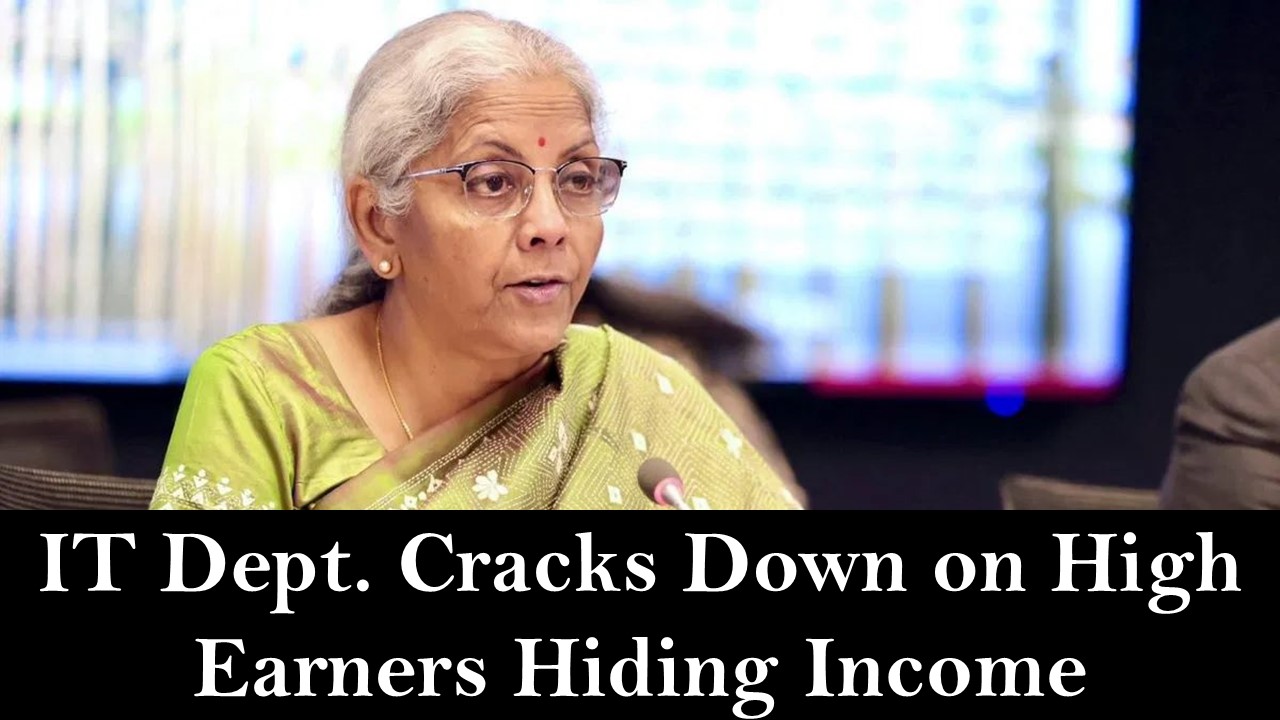
The IT dept. is adopting modern techniques to keep an eye on individuals earning high incomes but hiding their income and displaying less income.
IT Dept Tightens Scrutiny on Big Spenders, Mandates Reporting of High-Value Transactions
 Saloni Kumari
 Jun 8, 2025
Table of Contents

Income Tax Dept. Cracks Down on High Earners Hiding Income, Monitors Big Transactions
The Income Tax Department is adopting modern techniques to keep an eye on individuals earning high incomes but hiding their income and displaying less income. Hence, in order to gather information regarding these individuals who spend much but do not reveal their income completely, the IT department is working with several government agencies.What New Change has been Adopted?
The Self-Reporting Organizations (SROs), such as banks, post offices, cooperatives, fintech companies, and mutual fund houses, have been instructed by the Central Board of Direct Taxes (CBDT) to reveal complete information on the high-value transactions performed by them during the financial year by May 31, 2025, of the next financial year.What is Meaning of High-value Transactions?
A person's account is credited or debited with a large amount by a bank or institution that crosses a certain limit; it needs to be reported to the Income Tax Department. This information is reported to the I-T department under Statement of Financial Transactions (SFT) in Form 61A or as a reportable account in Form 61B. This provides the IT department access to the financial transactions performed by the individual and helps ensure tax compliance.
Which Type of Transaction Needs to be Reported to I-T Department?
1. Cash payments made against bank drafts, pay orders, banker's checks, or RBI prepaid instruments:- Limit: Rs 10,00,000
- Reporting: Banks or cooperative societies will report through Form 61A.
- Limit: Rs 10,00,000
- Reporting: Banks, cooperative societies, and post offices.
- Limit: Rs 50,00,000
- Reporting: Banks or cooperative societies.
- Limit: Rs 30,00,000
- Reporting: Property Registrar or Sub-Registrar through Form 61A.
- Limit: Rs 10,00,000
- Reporting: Related company or mutual fund trustee.
- Note: No reporting if the amount is transferred from one scheme to another.
- Limit: Rs 100,000
- Reporting: Banks or cooperative societies.
- Limit: Rs 10,00,000
- Reporting: Banks or cooperative societies.
- Limit: Rs 10,00,000
- Reporting: Persons authorised under the Foreign Exchange Management Act.
- Limit: Rs 10,00,000
- Reporting: Banks, cooperative societies, Nidhi companies, and NBFCs.
Steps adopted by the I-T department
Form 26AS Improvement:- Now, the details of Specified Financial Transactions (SFT) are always visible on Form 26AS. Along with this, the Annual Information Statement (AIS) has also been introduced, which shows the financial information of the taxpayer.
- If an individual withdraws cash of more than 1 crore, then 2% of the TDS will be reduced. Individuals who are not filing for the previous three years, then 2% of the TDS will be reduced on withdrawals of more than Rs. 20 lakhs, and 5% of the TDS will be reduced on withdrawals of more than Rs. 1 crore.
- If an individual earns income of more than Rs. 250,000, then it is compulsory for him/her to file an ITR. However, from April 2019, it has been made compulsory to file an ITR even if you earn a lower income if you have made some high-value transactions like depositing an amount of more than 1 crore in a current account of a bank or cooperative bank, if you have spent more than Rs. 2 lakh on foreign travel, or if you have paid an electricity bill of more than Rs. 1 lakh.
About Author


Saloni Kumari
Content Writer
Saloni is a Content Writer with 2+ years of experience at studycafe.in. She writes legal, taxation, and finance related content including GST, Income Tax etc. Skilled in translating complex judicial pronouncements and regulatory developments into clear, and reader-friendly articles. Experienced in covering judgements of ITAT, High Court, GSTAT, and news related to Income Tax, GST, and corporate law. She can be reached at [email protected].
Saloni is a Content Writer with 2+ years of experience at studycafe.in. She writes legal, taxation, and finance related content including GST, Income Tax etc. Skilled in translating complex judicial pronouncements and regulatory developments into clear, and reader-friendly articles. Experienced in covering judgements of ITAT, High Court, GSTAT, and news related to Income Tax, GST, and corporate law. She can be reached at [email protected].
 StudyCafe
 Delhi, Delhi, India
 2924
2924My Recent Articles
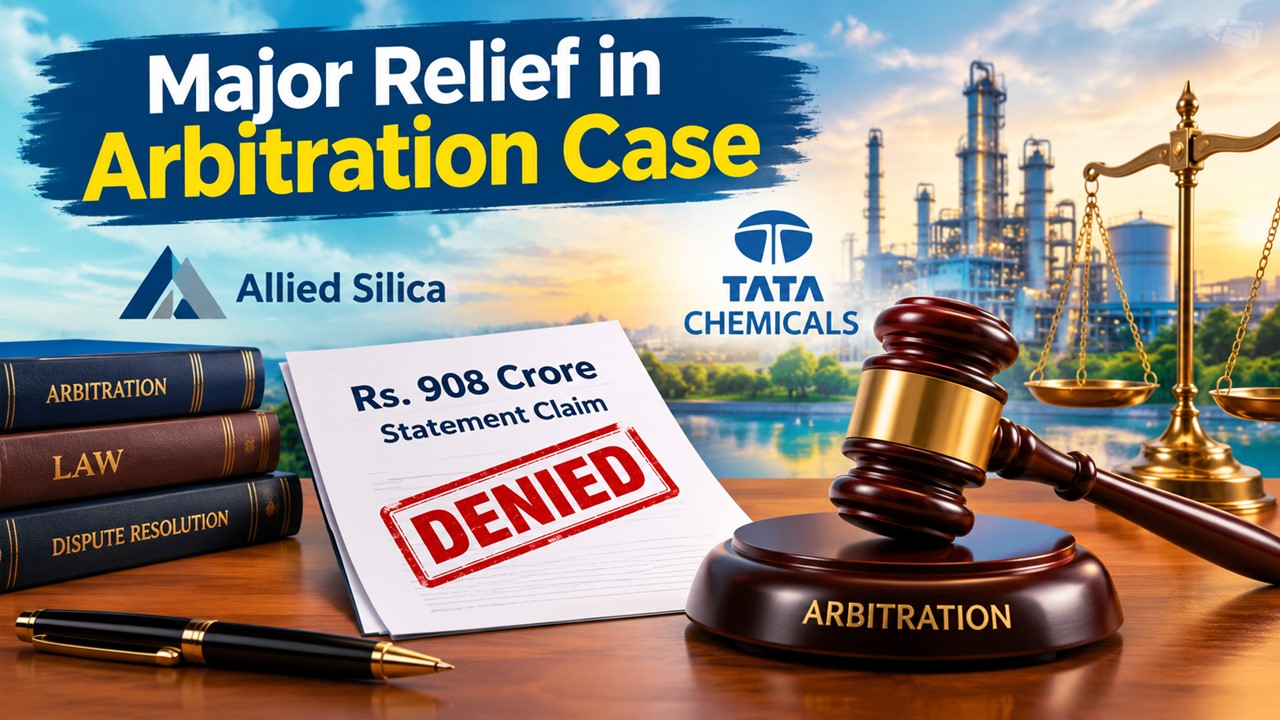
- Major Relief in Arbitration Case: MCIA Denies Rs 908 Crore Statement Claim Made by Allied Silica Against Tata Chemicals
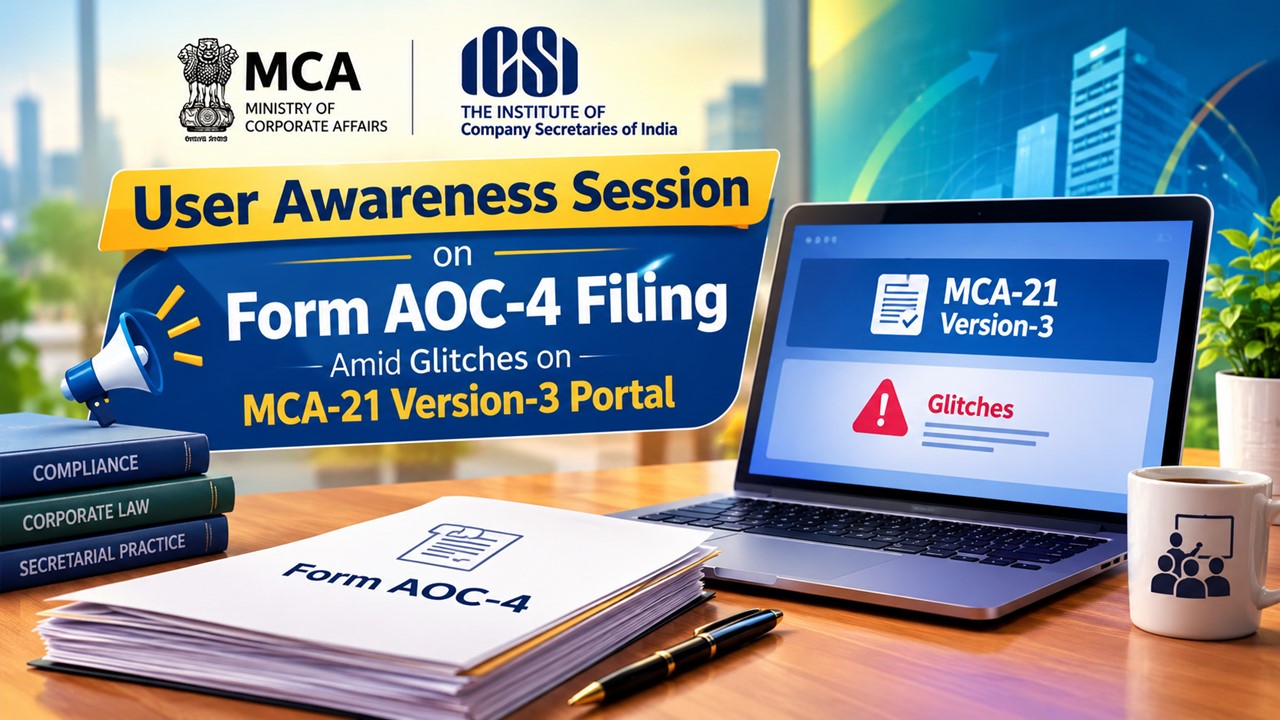
- MCA and ICSI to Hold User Awareness Session on Form AOC-4 Filing Amid Glitches on MCA-21 Version-3 Portal
- GSTN Introduces New E-Invoicing Facility for Self-Invoices Under Reverse Charge Mechanism
- Flexi Cap vs Multi Cap Funds: What's the Real Difference?
- IBA Recommends Public Sector Banks to Reduce Ambit of Physical Branch Audits to 50% of Total Business
Up Next
Loading suggestions…


Recent Posts
All Posts


Tags
No tags yet.
Recent Posts
All Posts
Tags
No tags yet.