ITAT Deletes Rs. 5.28 Lakh Penalty, Rules EPF/ESI Disallowance Not ‘Misreporting’ Under Section 270A:
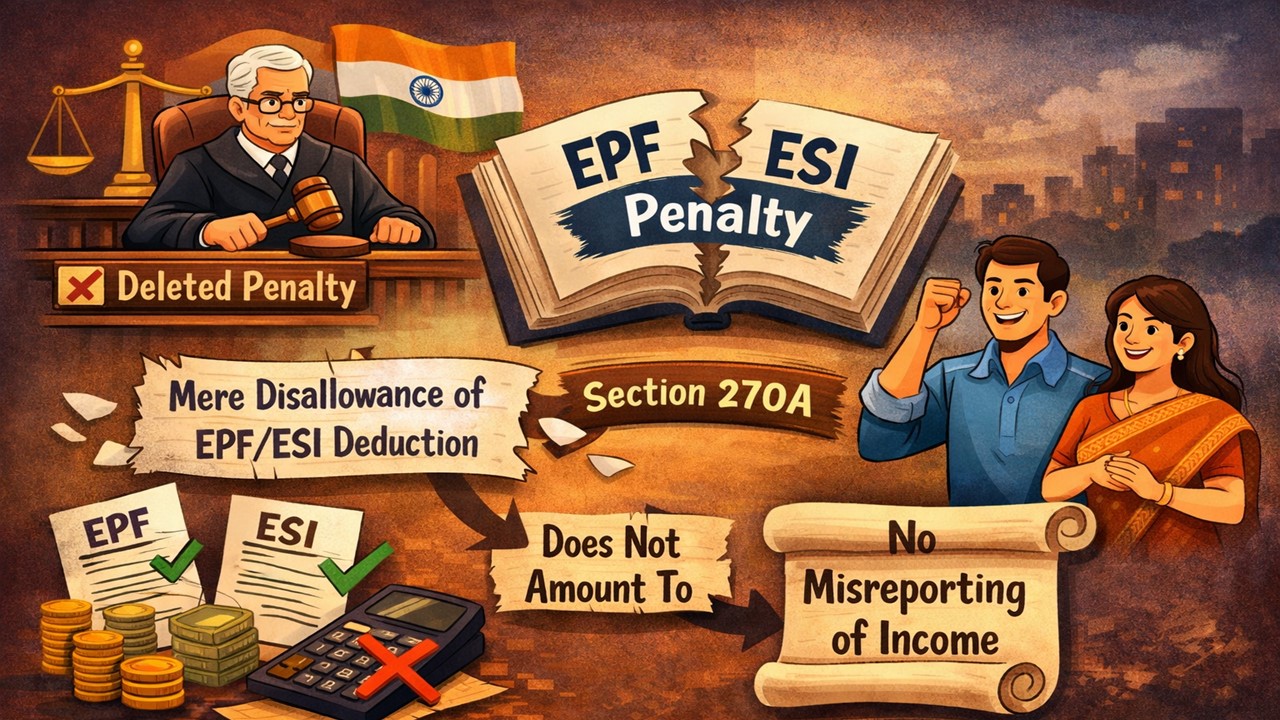
ITAT deleted a penalty imposed on the company under Section 270A, holding that mere disallowance of EPF/ESI deduction does not amount to misreporting of income.
ITAT Says Mere EPF/ESI Disallowance Is Not Misreporting
 Saloni Kumari
 Feb 18, 2026
ITAT Deletes Rs. 5.28 Lakh Penalty, Rules EPF/ESI Disallowance Not ‘Misreporting’ Under Section 270A
ITAT in a recent case deleted a Rs. 5.28 lakh penalty imposed on a company under Section 270A. The tribunal held that mere disallowance of EPF/ESI deduction did not constitute misreporting.
Myunghwa Automotive India Private Limited has filed the present appeal before the ITAT Chennai against the Income Tax Department, challenging an order dated July 18, 2025, passed by the CIT(A). The impugned order had dismissed the assessee's appeal filed objecting to a penalty order dated November 12, 2021, issued under 270A of the Income Tax Act, 1961, imposed by the Assessing Officer (AO). The case belongs to the Assessment Year 2017-18.
The assessee filed its income tax return (ITR) for the year in consideration, declaring NIL income. The return was selected for scrutiny under CASS. The AO completed the assessment vide assessment order dated December 16, 2019, passed under Section 143(3) of the Act, through which the AO disallowed the deduction claimed by the assessee with respect to employees’ contribution towards EPF and ESI amounting to Rs. 8.55 lakh on the grounds of their payments after the due dates as prescribed under the respective acts. Even though the payments were made before the due date of filing an income tax return, the AO had denied the deduction.
Subsequently, the AO imposed a penalty amounting to Rs. 5.28 lakh on the assessee under Section 270A at 200% of the tax sought to be evaded, treating the case as “misreporting of income".
When the tribunal analysed the facts of the case, it noted that misreporting applies only in specific situations like suppression of facts, false entries, or unsubstantiated claims, and in the present case, the company had fully disclosed the claim of deduction in its return, and all disallowed information was genuine. The tribunal further held that a disallowed claim, by itself, does not amount to misreporting. It also observed that the AO failed to specify the exact clause under Section 270A(9) while imposing the penalty. In conclusion, the tribunal deleted the impugned penalty order levying a demand amounting to Rs. 5.28 lakh on the assessee.
About Author


Saloni Kumari
Content Writer
Saloni is a Content Writer with 2+ years of experience at studycafe.in. She writes legal, taxation, and finance related content including GST, Income Tax etc. Skilled in translating complex judicial pronouncements and regulatory developments into clear, and reader-friendly articles. Experienced in covering judgements of ITAT, High Court, GSTAT, and news related to Income Tax, GST, and corporate law. She can be reached at [email protected].
Saloni is a Content Writer with 2+ years of experience at studycafe.in. She writes legal, taxation, and finance related content including GST, Income Tax etc. Skilled in translating complex judicial pronouncements and regulatory developments into clear, and reader-friendly articles. Experienced in covering judgements of ITAT, High Court, GSTAT, and news related to Income Tax, GST, and corporate law. She can be reached at [email protected].
 StudyCafe
 Delhi, Delhi, India
 2919
2919My Recent Articles
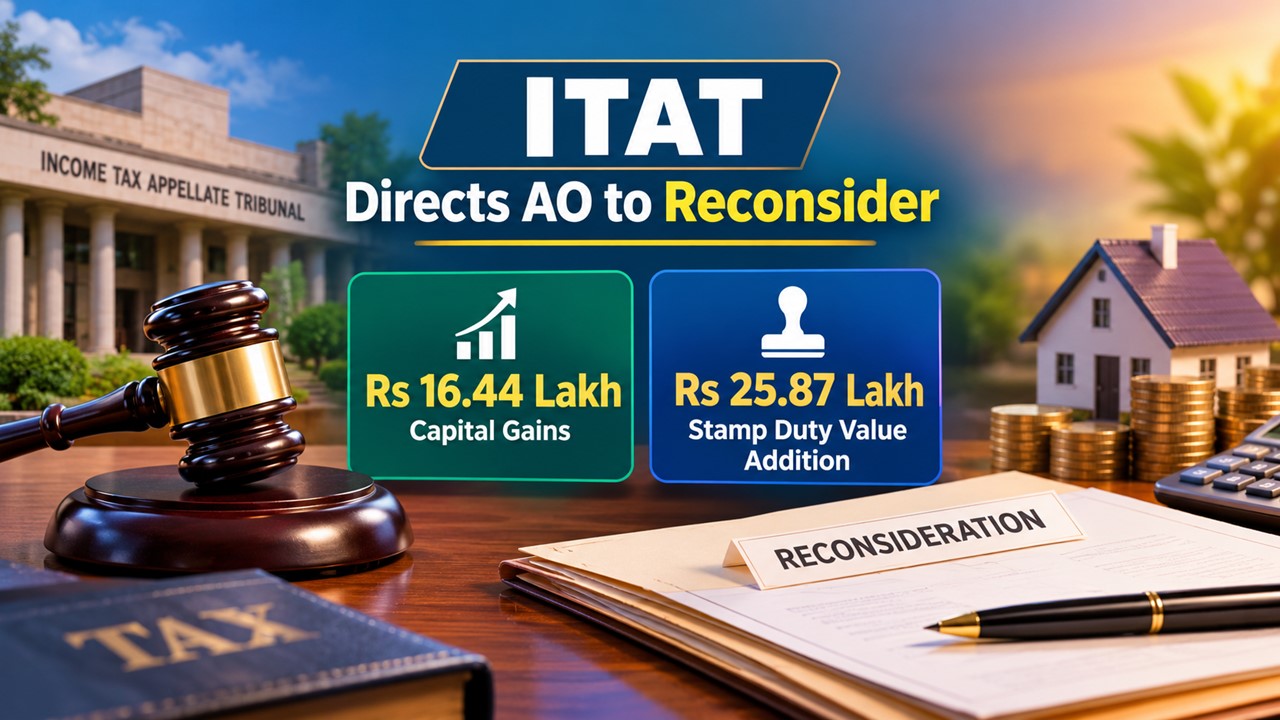
- ITAT Directs AO to Reconsider Rs 16.44 Lakh Capital Gains and Rs 25.87 Lakh Stamp Duty Value Addition
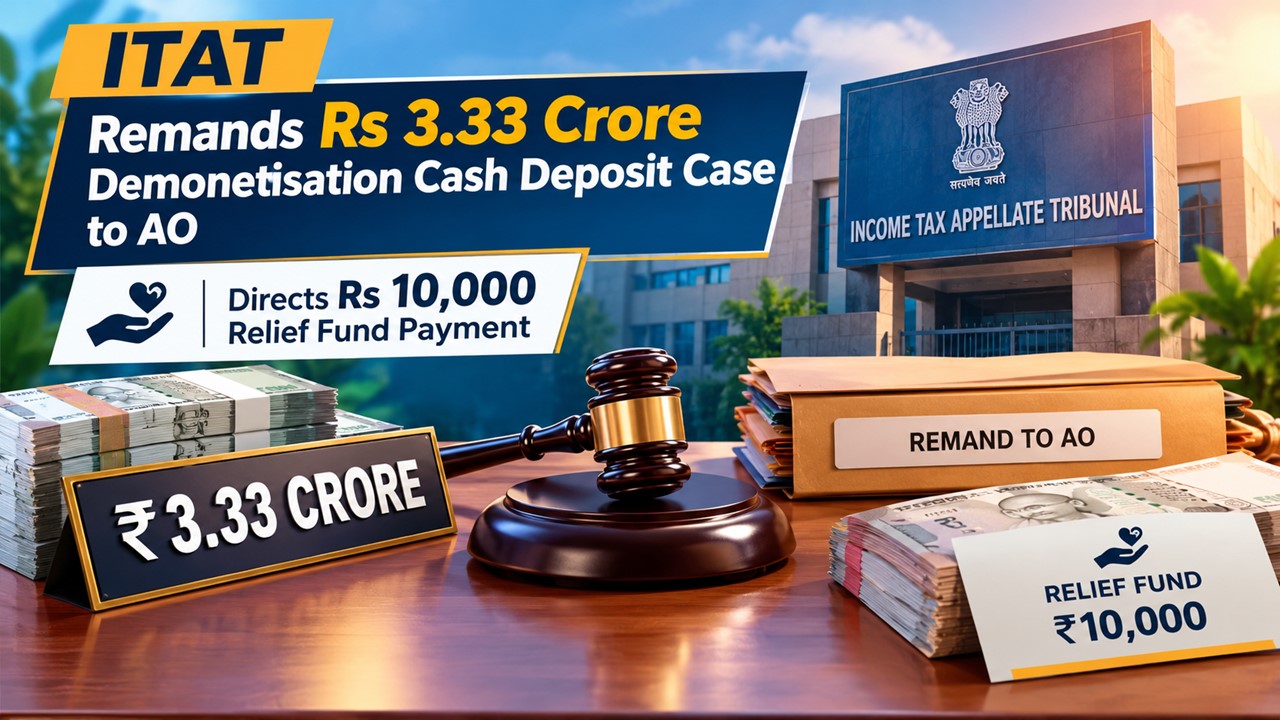
- ITAT Remands Rs 3.33 Crore Demonetisation Cash Deposit Case to AO, Directs Rs 10,000 Relief Fund Payment
- Income Tax Dept Increases Scope for Saksham Nudge Initiative to Further Include Professional Insuring Timely Compliance
- Vedanta Subsidiary ESL Steel Receives GST SCN for Rs. 2.76 Lakh IGST Demand Over Alleged RCM Short Payment
- Good News! ICAI Opens One-Day Window for Submission of MEF Form 2026-27 at meficai.org
Up Next
Loading suggestions…


Recent Posts

All Posts

Tags
Recent Posts
All Posts