J&K High Court Upholds Licensing Requirement for Brick Dealers; GST Registration not sufficient:
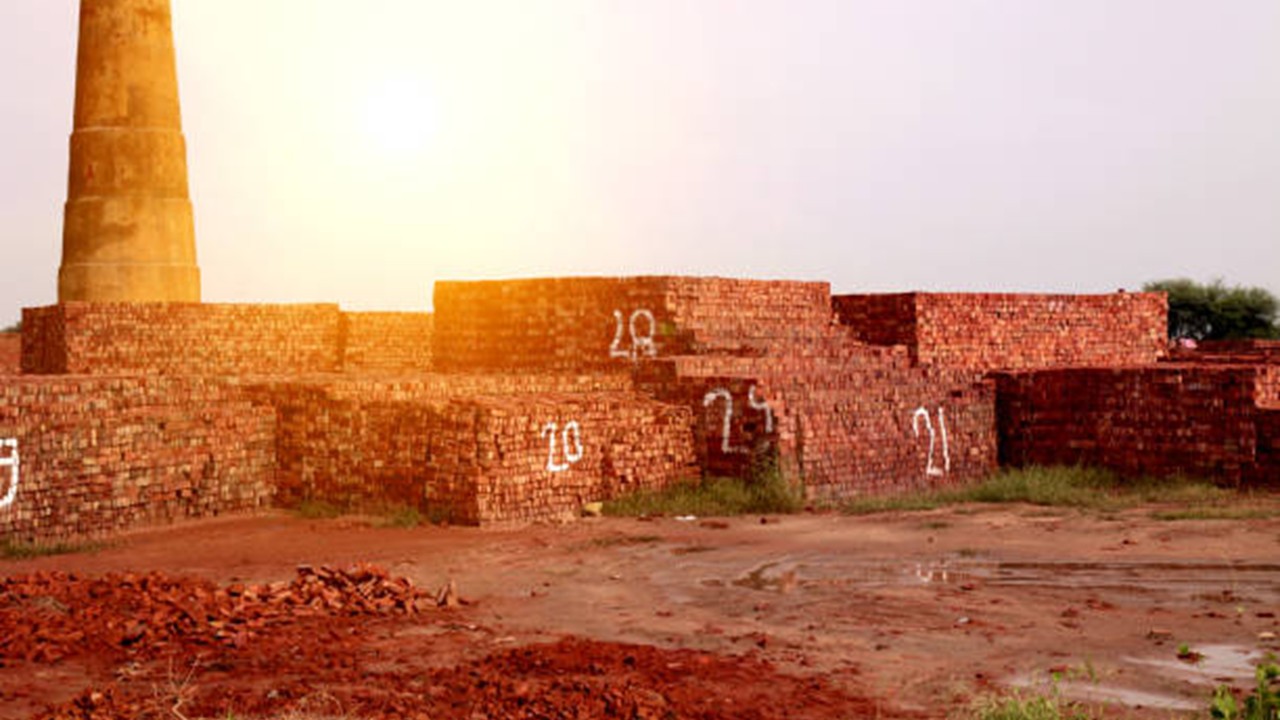
The J&K High Court ruled that Rule 3 of the 2017 Brick Kiln Rules applies to both manufacturers and dealers, upholding seizure orders and rejecting the challenge to licensing requirements.
Court confirms that Rule 3 of the 2017 Brick Kiln Rules applies to both manufacturers and dealers, validating Deputy Commissioners’ enforcement actions
 Meetu Kumari
 Nov 16, 2025
J&K High Court Upholds Licensing Requirement for Brick Dealers; GST Registration not sufficient
A group of brick traders challenged orders issued by the District Magistrates of Kathua and Samba directing seizure of vehicles transporting bricks imported from outside Jammu & Kashmir and initiating penal action under the J&K Brick Kiln (Regulation) Act, 2010 and the 2017 Rules. The petitioners argued that they were only dealers, not manufacturers, and therefore not subject to licensing requirements under Sections 4–7 of the Act or Rule 3 of the 2017 Rules. They alleged the authorities exceeded their jurisdiction, misapplied the regulatory framework, and violated their right to trade under Article 19(1)(g).
The respondents defended the action, asserting that the Act expressly covers “dealers,” and that the Rules regulate manufacture, sale, storage, and transportation of bricks. They relied on Section 2(e), Sections 12 and 15 of the Act, and Rule 3 of the 2017 Rules to argue that dealers must obtain licences. The Deputy Commissioners, designated as Licensing Authorities, acted lawfully to curb unlicensed trade and prevent illegal operations.
Central Issue: Whether brick dealers importing and selling finished bricks from outside J&K are required to obtain licences under Rule 3 of the 2017 Rules and whether the seizures and prohibitory orders issued by Deputy Commissioners were lawful.
High Court Decision: The High Court dismissed the writ petition, holding that the Act and Rules form a complete regulatory mechanism governing brick manufacture, sale, storage, and distribution. The definition of “dealer” in Section 2(e) and the language of Rule 3 make licensing mandatory for both manufacturers and dealers. The Court found no inconsistency between Rule 3 and Section 15, as both regulate dealers.
The Deputy Commissioners were validly notified as Licensing Authorities under Section 5 and had statutory power under Section 12 to inspect, seize, and regulate unlicensed operations. GST registration cannot exempt traders from licensing obligations, as GST is a fiscal statute while the Brick Kiln Act is a regulatory one. The Court held that licensing is a reasonable restriction under Article 19(6), aligned with environmental, economic, and public interest considerations.
The writ petition was also held premature due to an unexhausted statutory appellate remedy under Section 20. Finding no arbitrariness, mala fides, or jurisdictional infirmity, the Court upheld the impugned orders and dismissed the petition.
To Read Full Judgment, Download PDF Given Below
About Author


Meetu Kumari
Content Manager
Meetu Kumari is an Experienced Advocate and Content Writer with 4+ years of demonstrated history of working in the law practice industry. Skilled in Developing Content, Researching, and Drafting. Strong professional with a Bachelor of Science (B.Sc.) focused on Law from Gujarat National Law University.
Meetu Kumari is an Experienced Advocate and Content Writer with 4+ years of demonstrated history of working in the law practice industry. Skilled in Developing Content, Researching, and Drafting. Strong professional with a Bachelor of Science (B.Sc.) focused on Law from Gujarat National Law University.
 Studycafe
 Jodhpur, Rajasthan, India
 2264
2264My Recent Articles
- ITAT Condones 302-Day Delay, Restores Salary Assessment for Fresh VerificationPremium
- ITAT Condones Delay After Tax Consultant's Death, Restores Appeals for Fresh HearingPremium
- ITAT Remands Salary Addition, Says Taxability Depends on Salary Becoming Due, Not Mere ReceiptPremium
- ITAT Deletes TP Royalty Adjustment, Orders Fresh Review of Commission BenchmarkingPremium
- ITAT Quashes Reassessment Over Unsigned Section 148 Notice Issued to AssesseePremium
Up Next
Loading suggestions…


Recent Posts
All Posts

Tags
Recent Posts
All Posts