MP GST Prescribes Virtual Mode as Default for Hearings Under Sections 73, 74, 74A and 107:
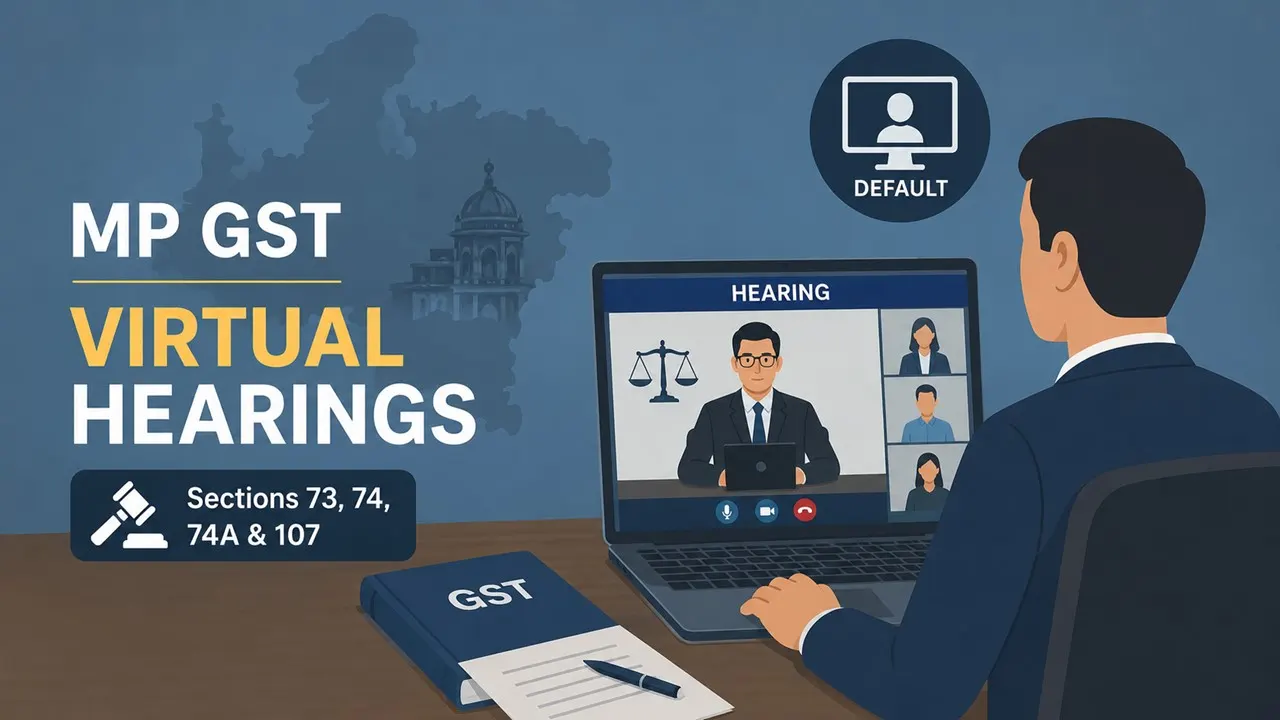
MP GST makes virtual hearings the default mode for assessment and appeal proceedings from April 1, 2026, allowing physical hearings only in exceptional cases.
Virtual Hearings Now Mandatory in MP GST Cases
 Vanshika verma
 Jun 9, 2026
MP GST Prescribes Virtual Mode as Default for Hearings Under Sections 73, 74, 74A and 107
The Commissioner of Commercial Tax, Madhya Pradesh, has issued new guidelines making virtual personal hearing mandatory in GST assessment and appeal proceedings. It is intended to improve transparency, efficiency and ease of compliance, while promoting a technology-driven and faceless tax administration system.
The Madhya Pradesh GST Act provides that the taxpayers shall be given an opportunity to be heard before any demand of tax, penalty or adverse order is passed against them. To strengthen this process, the department has decided that hearings in proceedings under Sections 73, 74, 74A, Section 126 and appeals under Section 107 will normally be conducted only through virtual mode.
According to the Standard Operating Procedure (SOP), taxpayers and their authorized representatives will normally not be required to appear physically before tax authorities. However, in exceptional and unavoidable circumstances, a taxpayer may request a physical hearing by submitting a written application explaining the reasons for such a request.
The department has permitted the use of platforms such as Webex, Google Meet, and Microsoft Teams for conducting virtual hearings. Information about the date, time, and meeting link will be provided through the BO Portal and sent to the taxpayer’s registered email address and mobile number. The virtual hearing link will be shared at least one day before the scheduled hearing.
Before the hearing, the authorised representatives appearing on behalf of taxpayers shall be required to electronically submit valid authorisation letter or vakalatnama, identity proof, mobile number and email address. Without these papers, there will be no representation.
The SOP also says that the virtual hearing will be held from the office of the tax authority concerned. All participants are expected to behave in a professional way and keep proper decorum during the proceedings.
The officer will record each virtual hearing and digitally sign it, then email it to the taxpayer. In the event of an adjourned hearing, particulars of the date of the next hearing must be notified on the same day via the BO Portal.
Taxpayers who wish to rely on additional documents during the hearing may submit scanned and self-attested copies electronically before the hearing. Such documents and the virtual hearing proceedings will be treated as valid records under the GST law and the Information Technology Act, 2000.
The SOP further allows departmental officers to join virtual hearings when required and with the permission of the concerned authority. Authorities have also been directed to inform taxpayers in advance if a scheduled hearing cannot be conducted, thereby avoiding unnecessary inconvenience.
The new procedure will come into force from April 1, 2026. All appellate authorities and proper officers have been instructed to begin implementing the system immediately wherever possible and to inform tax consultants' associations and business organizations about the change before the effective date.

About Author


Vanshika verma
Content Writer
Vanshika Verma is a Content Writer with 1+ year of experience at Studycafe.in. A B.Com graduate from Delhi University, She writes articles on Finance, Tax, ICAI, GST, and the latest financial news, with a focus on making complex topics easy for readers and professionals.
Vanshika Verma is a Content Writer with 1+ year of experience at Studycafe.in. A B.Com graduate from Delhi University, She writes articles on Finance, Tax, ICAI, GST, and the latest financial news, with a focus on making complex topics easy for readers and professionals.
 Studycafe
 Delhi, Delhi, India
 2103
2103My Recent Articles
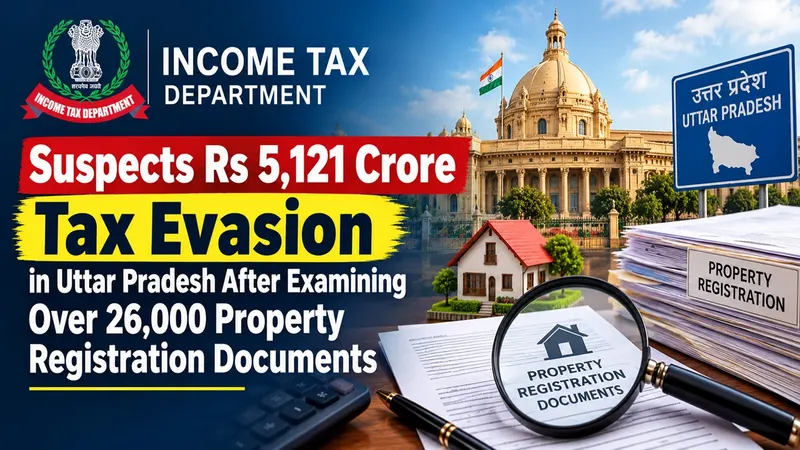
- Income Tax Department Suspects Rs 5,121 Crore Tax Evasion in Uttar Pradesh After Examining Over 26,000 Property Registration Documents
- Kalpataru Properties Gets Rs 73.85 Crore GST Notice, Says No Material Impact Expected
- Amara Raja Energy And Mobility Faces Rs 1.89 Crore GST Demand as Meerut Appellate Authority Upholds Earlier Tax Order
- Taj Hotels Operator IHCL Fined Rs 10 Lakh by BMC for Alleged Failure to Obtain NOC for Building Plan Approval
- Centre Hikes Windfall Tax on Petrol Exports to Rs 2.5 per Litre, Cuts Diesel Export Duty to Rs 8.5
Up Next
Loading suggestions…


Recent Posts


All Posts
Tags
Recent Posts
All Posts