Section 263 Valid Only for Unexamined Issues, Cannot Reopen Matters Already Settled in Appeal: ITAT:
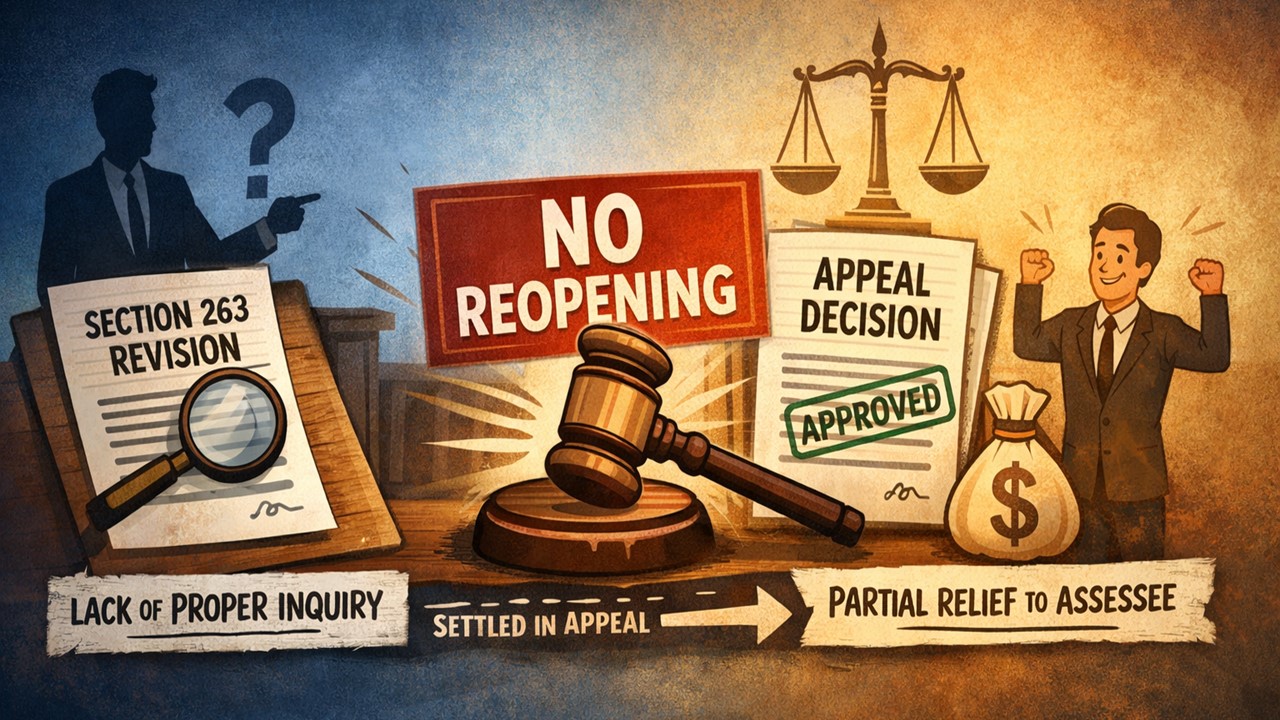
ITAT held that revision under Section 263 is permissible only where a proper inquiry is lacking and cannot be used to reopen issues already settled in appeal.
ITAT Restricts Scope of Section 263 Revision
 Saloni Kumari
 Dec 22, 2025
Section 263 Valid Only for Unexamined Issues, Cannot Reopen Matters Already Settled in Appeal: ITAT
ITAT Jabalpur, in a recent case, ruled that Section 263 can be invoked where a proper inquiry is missing. However, issues already settled in the appeal cannot be reopened through revision. The tribunal partially favoured the assessee.
A company, Ambajee Jewellers, filed the present case in the ITAT Jabalpur, challenging an order passed by the Principal Commissioner of Income Tax (PCIT), Jabalpur-1, on January 19, 2022. The order had quashed the order of the Assessing Officer (AO) on the grounds that the AO did not properly analyse the case of the assessee and did not examine the purchase transactions of the assessee deeply.
The assessee's case for Assessment Year (AY) 2017-18 was selected for scrutiny, noticing an abnormal increase in cash deposits during the demonetization period. The case was closed, assessing the total income of the assessee at Rs. 2.66 crore, making an addition of Rs. 2.12 crore to the assessee's income for alleged bogus sales under Section 68 of the Act. Later, the PCIT re-examined the case and concluded that the purchase bills of around Rs. 3.92 crores were not produced, especially for purchases from sister concerns. Further noticed a difference between the profit shown in the audited accounts and the profit disclosed in the return. Hence, PCIT ruled that the order passed by the AO was not valid and was erroneous and prejudicial to revenue. Therefore, set aside the same under Section 263 for fresh assessment.
The aggrieved assessee filed an appeal before the ITAT Jabalpur, wherein the PCIT argued that purchase bills from sister concerns and unregistered dealers were not fully verified. Since purchases were not properly examined, the AO failed to make necessary and possible additions to the income of the assessee. Additionally, the assessee did not explain the profit difference.
The assessee argued that the purchases were already deeply examined by the AO and that sales of sister concerns had been accepted in their own assessments. Further argued that once books were rejected and profits estimated, further additions on purchases cannot be made, as per the law.
When the tribunal heard the arguments of both sides, it held that purchases from Shri Ajay Rawat cannot be considered suspicious, as the sales in his case were already examined by CIT(A) and were also accepted. Hence, in this part, PCIT was incorrect to exercise revision. However, the tribunal accepted that AO indeed did not properly examine the purchases from M/s Ambaji Hallmark Gold and for the unexplained difference in profits. Therefore, PCIT was correct to quash the AO's order on these issues.
Based on the aforesaid findings, the ITAT held that the revision under Section 263 was invalid for purchases from Ajay Rawat but valid for other purchase issues and profit mismatches. The tribunal sent back the case to the AO for fresh assessment independently, without being influenced by PCIT’s observations. Meaning, overall, the appeal has been partially allowed in favour of the assessee.

About Author


Saloni Kumari
Content Writer
Saloni is a Content Writer with 2+ years of experience at studycafe.in. She writes legal, taxation, and finance related content including GST, Income Tax etc. Skilled in translating complex judicial pronouncements and regulatory developments into clear, and reader-friendly articles. Experienced in covering judgements of ITAT, High Court, GSTAT, and news related to Income Tax, GST, and corporate law. She can be reached at [email protected].
Saloni is a Content Writer with 2+ years of experience at studycafe.in. She writes legal, taxation, and finance related content including GST, Income Tax etc. Skilled in translating complex judicial pronouncements and regulatory developments into clear, and reader-friendly articles. Experienced in covering judgements of ITAT, High Court, GSTAT, and news related to Income Tax, GST, and corporate law. She can be reached at [email protected].
 StudyCafe
 Delhi, Delhi, India
 2924
2924My Recent Articles
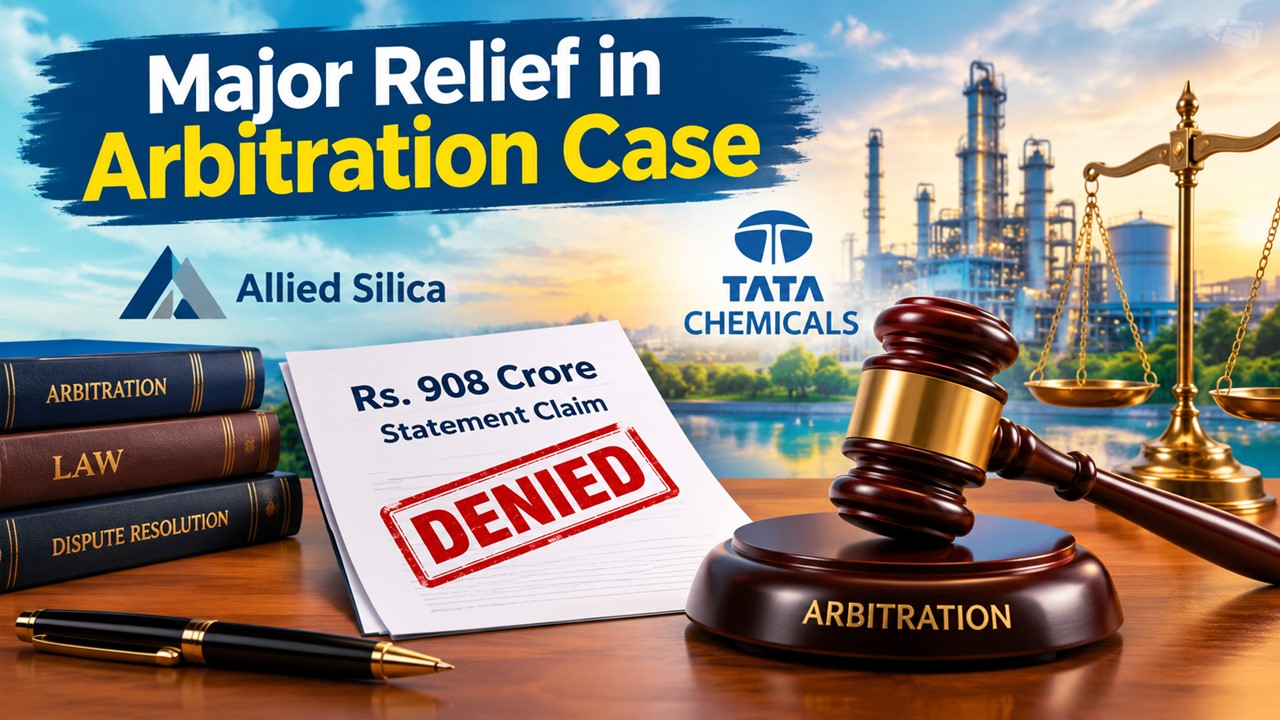
- Major Relief in Arbitration Case: MCIA Denies Rs 908 Crore Statement Claim Made by Allied Silica Against Tata Chemicals
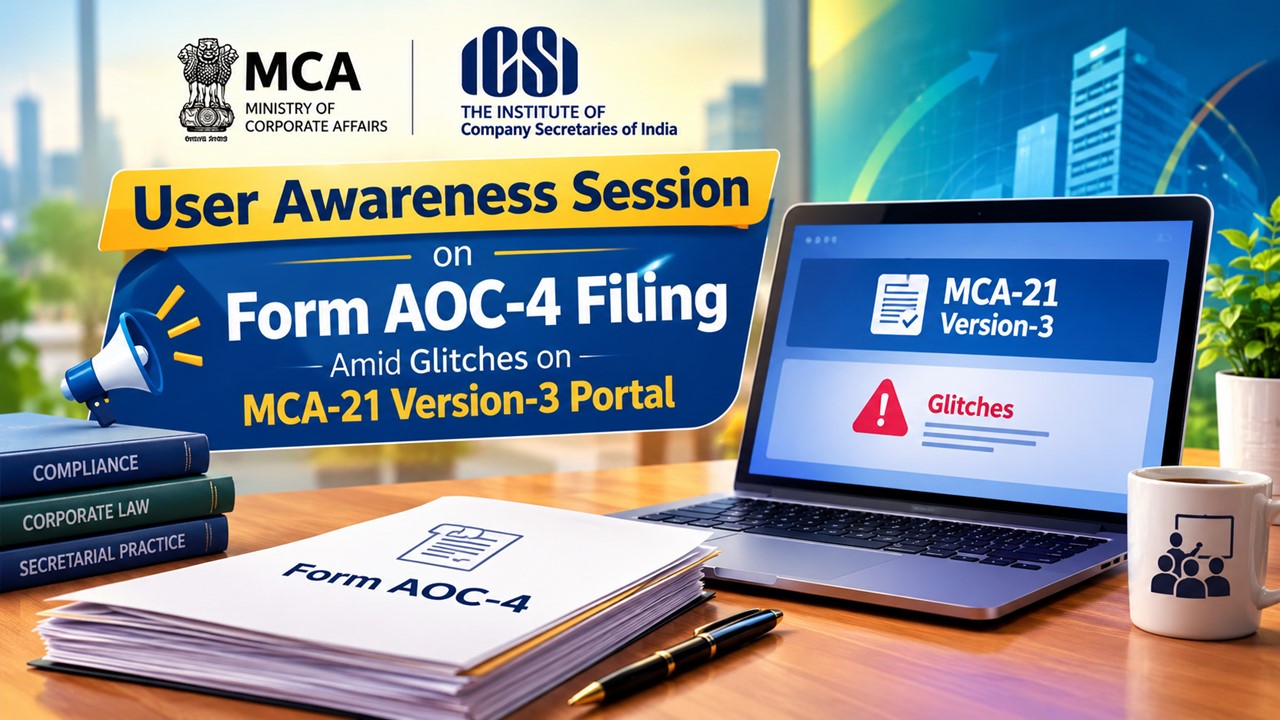
- MCA and ICSI to Hold User Awareness Session on Form AOC-4 Filing Amid Glitches on MCA-21 Version-3 Portal
- GSTN Introduces New E-Invoicing Facility for Self-Invoices Under Reverse Charge Mechanism
- Flexi Cap vs Multi Cap Funds: What's the Real Difference?
- IBA Recommends Public Sector Banks to Reduce Ambit of Physical Branch Audits to 50% of Total Business
Up Next
Loading suggestions…


Recent Posts
All Posts
Tags
Recent Posts
All Posts