Supreme Court Declares Non-Compete Fee as Revenue Expenditure: Deduction Allowed Under Section 37:
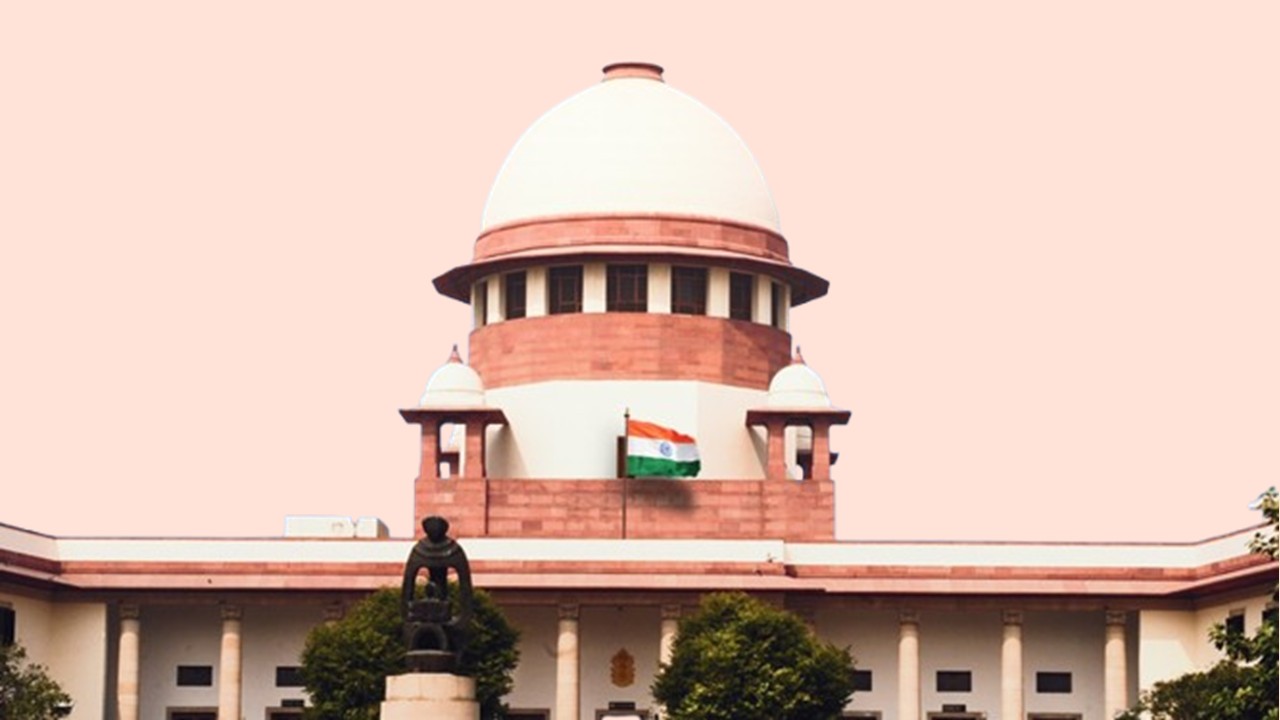
Non-compete payments protect business profitability and do not create capital assets; interest on advances to sister concerns allowed on commercial expediency
SC Rules Non-Compete Fee as Revenue Expenditure: Full Deduction Allowed
 Meetu Kumari
 Dec 23, 2025
Supreme Court Declares Non-Compete Fee as Revenue Expenditure: Deduction Allowed Under Section 37
A batch of appeals before the Supreme Court were filed by several assessees, with the lead case being Sharp Business System. The assessee paid a non-compete fee of Rs. 3 crores to its joint venture partner, Larsen & Toubro (L&T), to restrain it from entering the electronic office products market for seven years. The Assessing Officer treated the payment as capital expenditure.
On appeal, the AO's view was upheld by the CIT(A) and the High Court on the ground that it resulted in the acquisition of a capital asset. In contrast, the Madras and Bombay High Courts, in the cases of Pentasoft Technologies and Piramal Glass, had held that non-compete fees were either revenue in nature or intangible assets eligible for depreciation under Section 32.
Main Issue: Whether non-compete fees paid for a limited period are capital or revenue expenditure deductible under Section 37(1), and whether interest on borrowed funds advanced to sister concerns is allowable under Section 36(1)(iii) when made on grounds of commercial expediency.
SC's Decision: The Hon'ble Supreme Court ruled that non-compete fees are revenue in nature and allowable under Section 37(1). The Court observed that such payments are made to facilitate efficient conduct of business by safeguarding profitability and market position, without creating any capital asset or new profit-sustaining structure. It reiterated that the “enduring benefit” test is not decisive and must be applied pragmatically; where fixed capital remains untouched, and the benefit lies in the revenue field, the expenditure is revenue. Thus, the High Court’s decision in Sharp Business System was set aside.
The Court reaffirmed the principle of commercial expediency, holding that interest on borrowed funds advanced to sister concerns is deductible under Section 36(1)(iii) if made for business purposes. The Revenue was cautioned against substituting its judgment for that of the businessman by sitting in the “armchair of the assessee.”
To Read Full Judgment, Download PDF Given Below
About Author


Meetu Kumari
Content Manager
Meetu Kumari is an Experienced Advocate and Content Writer with 4+ years of demonstrated history of working in the law practice industry. Skilled in Developing Content, Researching, and Drafting. Strong professional with a Bachelor of Science (B.Sc.) focused on Law from Gujarat National Law University.
Meetu Kumari is an Experienced Advocate and Content Writer with 4+ years of demonstrated history of working in the law practice industry. Skilled in Developing Content, Researching, and Drafting. Strong professional with a Bachelor of Science (B.Sc.) focused on Law from Gujarat National Law University.
 Studycafe
 Jodhpur, Rajasthan, India
 2264
2264My Recent Articles
- ITAT Condones 302-Day Delay, Restores Salary Assessment for Fresh VerificationPremium
- ITAT Condones Delay After Tax Consultant's Death, Restores Appeals for Fresh HearingPremium
- ITAT Remands Salary Addition, Says Taxability Depends on Salary Becoming Due, Not Mere ReceiptPremium
- ITAT Deletes TP Royalty Adjustment, Orders Fresh Review of Commission BenchmarkingPremium
- ITAT Quashes Reassessment Over Unsigned Section 148 Notice Issued to AssesseePremium
Up Next
Loading suggestions…


Recent Posts


All Posts


Recent Posts
All Posts