Supreme Court: Magistrate Empowered to Direct Voice Sample Even Without CrPC Provision:
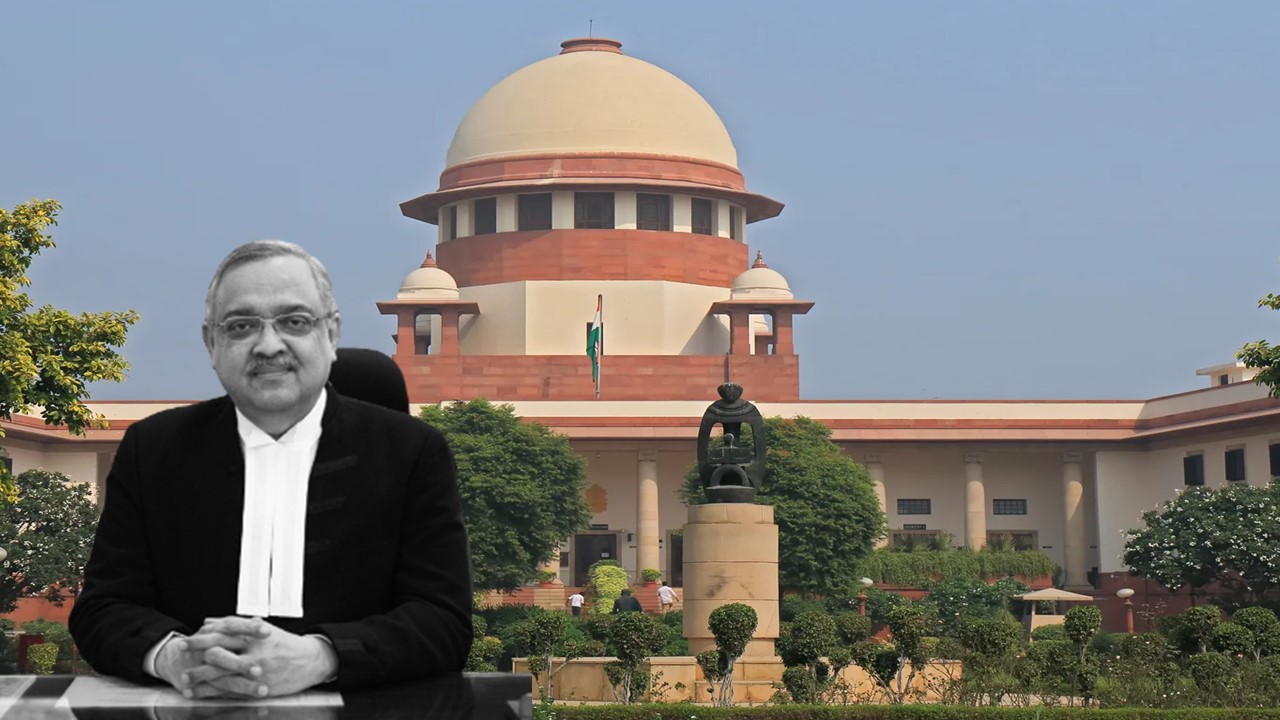
Supreme Court holds that a Magistrate can lawfully order collection of voice samples during investigation, reaffirming Ritesh Sinha v. State of U.P.,
SC holds that Magistrates can direct voice sample collection under judicial authorityand Section 349 of BNSS
 Meetu Kumari
 Oct 27, 2025
Supreme Court: Magistrate Empowered to Direct Voice Sample Even Without CrPC Provision
The case arose from an investigation into the death of a 25-year-old woman in February 2021, which led to cross-allegations of harassment and misappropriation of jewellery and money. During the investigation, the police sought a voice sample of one accused (respondent no. 2) alleged to have acted as an intermediary and threatened witnesses. The Magistrate allowed the request. However, the Calcutta High Court set aside the Magistrate’s order, holding that since the CrPC contained no express provision authorizing voice sample collection and the issue was referred to a larger Bench, the order could not stand.
The appellant contended that the High Court erred in ignoring the binding precedent of Ritesh Sinha v. State of Uttar Pradesh (2019), which upheld such powers of a Magistrate even without explicit statutory backing. It was further argued that the larger Bench reference mentioned by the High Court had already been closed. The respondent opposed, arguing that compelling a voice sample would violate Article 20(3) of the Constitution, particularly as the respondent was a witness and not an accused.
Issue Raised: Whether, in the absence of an express provision under the CrPC, a Magistrate could direct a person (accused or witness) to provide a voice sample for investigation.
Apex Court's Judgment: The Supreme Court allowed the appeal, restored the Magistrate’s order, and held that both under the CrPC and the newly enacted Bharatiya Nagarik Suraksha Sanhita (BNSS), 2023, such a direction is valid. The Bench comprising Justice B.R. Gavai (CJI) and Justice K. Vinod Chandran reaffirmed Ritesh Sinha and State of Bombay v. Kathi Kalu Oghad , emphasising that taking a specimen such as handwriting, fingerprints, or voice does not amount to “testimonial compulsion” under Article 20(3).
The High Court wrongly refused to follow Ritesh Sinha despite the larger Bench reference being closed. Voice samples, like fingerprints or handwriting, are neutral identifiers used only for comparison and do not constitute evidence “against oneself.” Even before Section 349 BNSS, 2023 came into force, Magistrates had inherent power to order voice sampling under judicial directions. Section 349 of BNSS now expressly empowers Magistrates to direct such sampling, removing all ambiguity. Thus, the Supreme Court set aside the Calcutta High Court’s order and directed the respondent to comply with the Magistrate’s direction for providing the voice sample.
To Read Full Judgment, Download PDF Given Below
About Author


Meetu Kumari
Content Manager
Meetu Kumari is an Experienced Advocate and Content Writer with 4+ years of demonstrated history of working in the law practice industry. Skilled in Developing Content, Researching, and Drafting. Strong professional with a Bachelor of Science (B.Sc.) focused on Law from Gujarat National Law University.
Meetu Kumari is an Experienced Advocate and Content Writer with 4+ years of demonstrated history of working in the law practice industry. Skilled in Developing Content, Researching, and Drafting. Strong professional with a Bachelor of Science (B.Sc.) focused on Law from Gujarat National Law University.
 Studycafe
 Jodhpur, Rajasthan, India
 2264
2264My Recent Articles
- ITAT Condones 302-Day Delay, Restores Salary Assessment for Fresh VerificationPremium
- ITAT Condones Delay After Tax Consultant's Death, Restores Appeals for Fresh HearingPremium
- ITAT Remands Salary Addition, Says Taxability Depends on Salary Becoming Due, Not Mere ReceiptPremium
- ITAT Deletes TP Royalty Adjustment, Orders Fresh Review of Commission BenchmarkingPremium
- ITAT Quashes Reassessment Over Unsigned Section 148 Notice Issued to AssesseePremium
Up Next
Loading suggestions…


Recent Posts
All Posts
Recent Posts
All Posts