Supreme Court Upholds Special Courts’ Power to Release Vehicles Seized under NDPS Act:
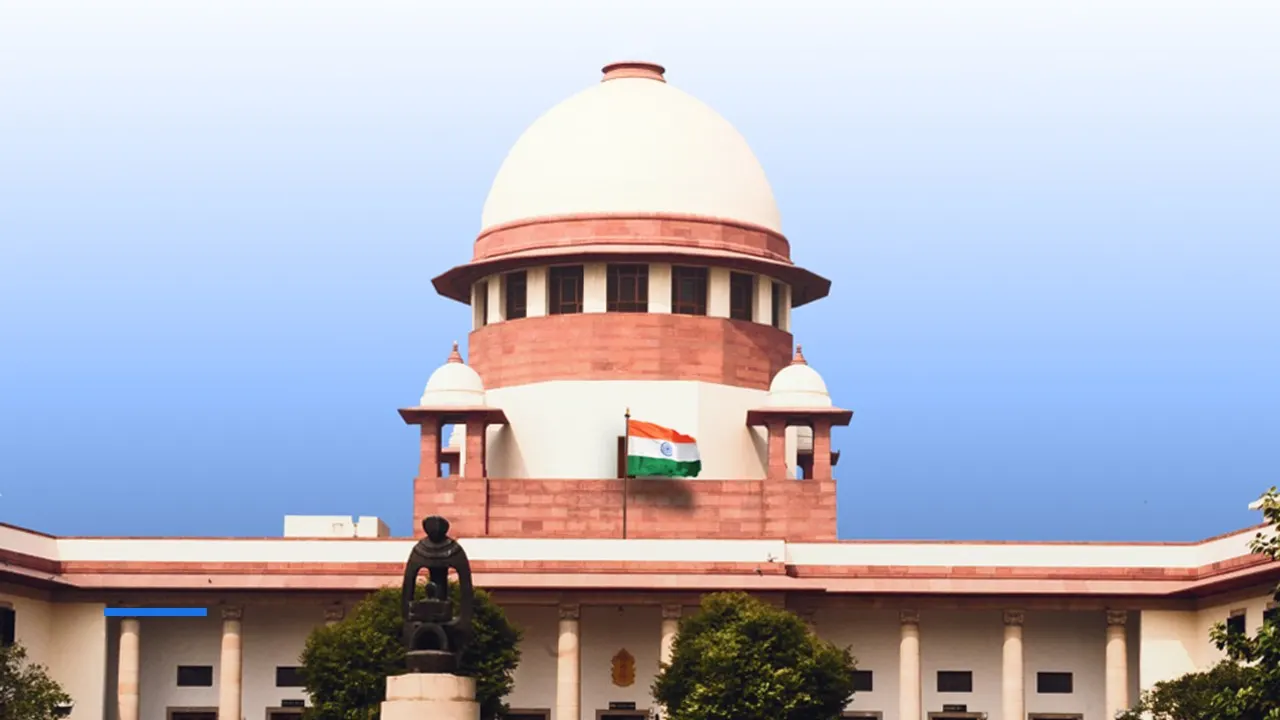
SC held that Drug Disposal Committees cannot override the powers of Special Courts to grant interim custody of vehicles seized under the NDPS Act
Court rules the 2022 Rules do not override judicial powers of Special Courts under NDPS Act
 Meetu Kumari
 Oct 28, 2025
Supreme Court Upholds Special Courts’ Power to Release Vehicles Seized under NDPS Act
The appellant, Denash, owned a lorry used to transport 29,400 MT of iron sheets from Chhattisgarh to Tamil Nadu. During transit, police seized 6 kg of ganja concealed by the driver and crew. Though the appellant was not chargesheeted, his vehicle remained confiscated. The Special Court at Thanjavur and the Madurai Bench of the Madras High Court both rejected his plea for interim custody, holding that only the Drug Disposal Committee under the NDPS (Seizure, Storage, Sampling and Disposal) Rules, 2022 could decide such matters.
The appellant, relying on Bishwajit Dey v. State of Assam, argued that courts retain discretion to release seized vehicles. The State contended that the 2022 Rules gave exclusive power to the Drug Disposal Committee, and the High Court’s view should be upheld.
Issue Raised: Whether Special Courts retain jurisdiction under Sections 451 and 457 CrPC (497 and 503 BNSS) to grant interim custody of vehicles seized under the NDPS Act despite the 2022 Rules.
SC Held: The Court ruled that the 2022 Rules are subordinate legislation and cannot override the parent statute. Sections 60 and 63 NDPS Act confer confiscation powers exclusively on the Special Court, which must observe natural justice and hear owners claiming innocence. The Rules merely prescribe a disposal mechanism; they do not empower administrative bodies like the Drug Disposal Committee to decide ownership or interim release.
The Court held that confiscation can occur only after trial, and interim custody must be considered judicially where ownership and bona fides are established. Reliance was placed on Tarun Kumar Majhi v. State of West Bengal to explain that innocent owners cannot be deprived of their vehicles without due process of law and a hearing.
The Supreme Court set aside the High Court judgment and directed the release of the lorry to the appellant, subject to terms fixed by the Special Court.
To Read the Full Judgment, Download the PDF Given Below.
About Author


Meetu Kumari
Content Manager
Meetu Kumari is an Experienced Advocate and Content Writer with 4+ years of demonstrated history of working in the law practice industry. Skilled in Developing Content, Researching, and Drafting. Strong professional with a Bachelor of Science (B.Sc.) focused on Law from Gujarat National Law University.
Meetu Kumari is an Experienced Advocate and Content Writer with 4+ years of demonstrated history of working in the law practice industry. Skilled in Developing Content, Researching, and Drafting. Strong professional with a Bachelor of Science (B.Sc.) focused on Law from Gujarat National Law University.
 Studycafe
 Jodhpur, Rajasthan, India
 2264
2264My Recent Articles
- ITAT Condones 302-Day Delay, Restores Salary Assessment for Fresh VerificationPremium
- ITAT Condones Delay After Tax Consultant's Death, Restores Appeals for Fresh HearingPremium
- ITAT Remands Salary Addition, Says Taxability Depends on Salary Becoming Due, Not Mere ReceiptPremium
- ITAT Deletes TP Royalty Adjustment, Orders Fresh Review of Commission BenchmarkingPremium
- ITAT Quashes Reassessment Over Unsigned Section 148 Notice Issued to AssesseePremium
Up Next
Loading suggestions…


Recent Posts
All Posts

Tags
Recent Posts
All Posts