Tax Benefits and Exemptions for Senior Citizens in ITR Filing for FY 2024-25:

Explore tax benefits and exemptions for senior citizens under the old regime while filing ITR for FY 2024-25, including deductions under 80C, 80D, and 80TTB.
Basic Exemption Limits
 CA Deepak Gupta
 Jun 4, 2025
Table of Contents

Tax Benefits and Exemptions for Senior Citizens in ITR Filing for FY 2024-25
Filing income tax returns can be very confusing process, mainly for senior citizens. However, many deductions and exemptions are available to make this process easier and more beneficial for them under the old tax regime. Senior citizens whose age lies between 60 and 80 years of age are needed to file their returns. Those who aged 75 years earning only pension and interest income, there is a simpler option available for them.
They fan submit Form 12BBA at the bank where they receive their pension instead of filing regular tax returns. Super senior citizens (those above 80 years) don't need to file any returns.
Higher Basic Exemption Limits
Under the old tax regime, the basic income limit for not paying any tax is higher for senior citizens:- For those aged 60–80 years, the limit is Rs. 3 lakhs.
- For those above 80 years, the limit is Rs. 5 lakhs.
Section 80C: Senior Citizens’ Saving Scheme (SCSS)
Investments in SCSS are eligible for tax deductions under Section 80C. Individuals above 60 years of age and some retirees below that age are available for this scheme. Investments up to Rs. 30 lakh qualify for a deduction of up to Rs. 1.5 lakh. However, if interest earned in a year from SCSS crosses Rs. 50,000, it becomes taxable. The scheme offers 8.2% interest per year, paid every quarter.Health Insurance and Medical Expenses (Section 80D)
Senior citizens can claim up to Rs. 50,000 as a deduction on health insurance premiums. If children are paying the premium for their senior citizen parents, then they can also claim this amount. The total benefit can be up to Rs. 75,000. If a senior citizen pays for their parents’ policy, the deduction can be up to Rs. 1 lakh. Those without insurance can claim up to Rs. 50,000 for medical expenses.Interest Income Deduction (Section 80TTB)
Interest earned on savings and fixed deposits in banks and post offices is eligible for a deduction of up to Rs. 50,000. If the interest goes beyond this, the extra amount is taxable. These tax benefits give senior citizens a chance to save more and reduce the burden of tax during retirement.About Author
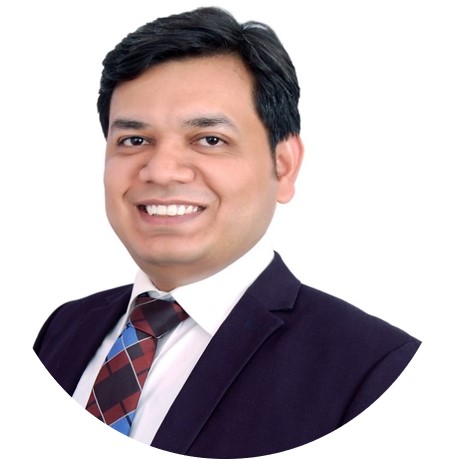

CA Deepak Gupta
Co Founder
CA Deepak Gupta,is Co-founder of Studycafe. He is Microsoft Office Specialist and Corporate Trainer of AI Tools, Microsoft Excel.
He is Finance Influencer having more than 250K followers on Social Media. CA Deepak Gupta, is Having more than 14 plus years of experience, and he has Worked with best brands Like, Hero, Wipro, Ericsson before Starting Studycafe. He has Trained more than 20000 Persons in Microsoft Excel, PowerPoint, Power BI, Google Sheet, Google Forms and Other Tools.
CA Deepak Gupta,is Co-founder of Studycafe. He is Microsoft Office Specialist and Corporate Trainer of AI Tools, Microsoft Excel.
He is Finance Influencer having more than 250K followers on Social Media. CA Deepak Gupta, is Having more than 14 plus years of experience, and he has Worked with best brands Like, Hero, Wipro, Ericsson before Starting Studycafe. He has Trained more than 20000 Persons in Microsoft Excel, PowerPoint, Power BI, Google Sheet, Google Forms and Other Tools.
 StudyCafe
 Delhi, Delhi, India
 3423
3423My Recent Articles
- UltraTech Cement slapped with Rs. 808.78 Cr Income Tax Demand
- GST: High Court upheld constitutional validity of Section 16(2)(c), asks government to address ITC issues of genuine purchasers
- Old vs New Tax Regime for Tax Year 2026-27
- High court criticizes Income Tax Department for not releasing ITR Utilities despite 11 years of directions
- Fino Payments Bank CEO Rishi Gupta Gets Bail in GST Case, Bank Clarifies No Direct Link
Up Next
Loading suggestions…


Recent Posts


All Posts

Tags
No tags yet.
Recent Posts
All Posts
Tags
No tags yet.