Trends to impact Personal Finance in 2022
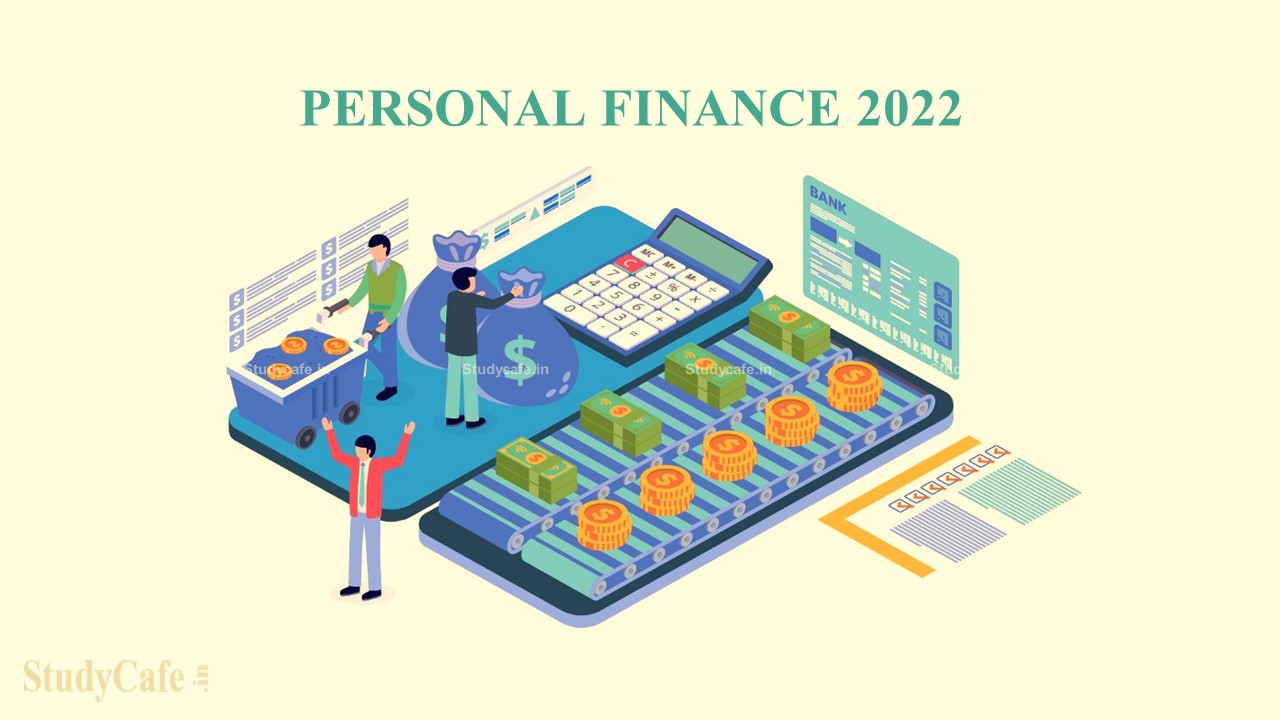
Trends to impact Personal Finance in 2022 As we approach the start of a new year, it's time to take a glance ahead to discover which trends in 2022 m…
 Deepshikha Mahapatra
 Jan 5, 2022
Table of Contents

Trends to impact Personal Finance in 2022
As we approach the start of a new year, it's time to take a glance ahead to discover which trends in 2022 might have a big impact on your finances. Here are three things to keep an eye out for.
BNPL
The latest phrase in financial services is "buy now, pay later." Essentially, it means you can buy something today and pay for it over time in interest-free instalments. Customers were first offered this benefit by e-commerce platforms, retail locations, and fintech. Similar functionalities on debit cards were added by banks as well. BNPL essentially offers interest-free payback instalments that are spread out over 3-6 months. While a KYC is required, there is no necessity for prior credit history or a credit score. Within minutes or hours, the facility is approved. The goal is to attract spenders who may not be eligible for credit cards but have a desire to make larger purchases. Slice, for example, provides a three-month repayment period at no additional fee. This is a problem for normal credit cards, which only have a 50-day credit period. There are no annual fees, and the loan limit can be as high as Rs 10 lakh without a formal credit score, unlike credit cards. There are other services available, such as rewards and bill sharing. This card, which is aimed at young earners, promises approvals in a matter of minutes and delivery in a matter of days. BNPL is an old concept that has been repackaged in the form of cards like Slice. Now that even large banks are interested in taking advantage of this, their current systems and processes will need to be modified to accommodate this. So far, data reveals that NPAs are fairly on par with the credit card section of the banking system, which could indicate that current clients are already accustomed to using credit cards. It can help manage funds and stretch liquidity, which can entice customers if utilised effectively. BNPL is a two-edged sword that can assist you to manage your liquidity while also giving you a false sense of affordability. If you're using it to extend your cash or liquidity, it implies you'll have to pay it back on time and only buy what you can afford at the moment. The credit limit on these cards may be increased beyond your means, leading you astray. Your earnings will no longer be enough to afford the instalments if you start overspending with BNPL. Extending the interest-free payment period will result in charges of more than 30% annually.ETFs
During the epidemic, retail investments in exchange-traded funds (ETFs) have increased dramatically. This category's total assets under management grew from Rs 230,000 crore in November 2020 to Rs 364,000 crore in November 2021. This represents a 58 percent increase in a year, versus a 29 percent increase in overall open-ended mutual fund assets. There are now 17 debt-related schemes with around Rs 50,000 crore in assets under management. Individual investors, particularly those who are comfortable with digital platforms, will find ETFs to be easy and low-cost solutions. This segment's popularity and growth is a natural progression for any equities market, and we're witnessing it today in India as well. Because the regulator-guided categories are already inhabited, there is minimal room for innovation in active schemes. The experience of theme-based and smart-beta ETFs in other markets can help Indian asset managers and investors find the most suitable solutions for the native market. Many more rule-based ETFs from both the domestic and international markets are awaiting SEBI clearance. You'll have to walk carefully and pick subjects that you're more familiar with.Neobanks
Neobanks, sometimes known as digital banks, are becoming increasingly important in the Indian personal finance market. Unlike traditional banks, which provide a more in-person experience, neobanks focus on convenience and transferring all of your money management responsibilities to your banking app. Neobanks provide everything from person-to-person transfers to budgeting tools and quick investment alternatives, payment reminders, and digital receipts, all at a lower cost to the customer. A neobank is a fintech that collaborates with a regular bank to provide these services to consumers. Along with the simplicity of use and convenience, AI-based technologies are being used to provide a personalised experience. While there is a demand for rapid financial services, neobanks still fall short of providing a full range of services. For the younger generation, however, the speed of transactions, lower costs, and an intuitive digital experience may be sufficient to see this trend take off quickly.Final Thoughts
These personal finance trends will almost certainly affect you or your family's younger members in the coming months and years. Now, the year 2022 will be crucial in determining the direction and speed of these developments.About Author


Deepshikha Mahapatra
Editor
 Studycafe
 Bhubaneswar, Orissa, India
 226
226Up Next
Loading suggestions…


Recent Posts
All Posts

Tags
No tags yet.
Recent Posts
All Posts
Tags
No tags yet.