Understanding TDS: How It Works and Why It Matters?:
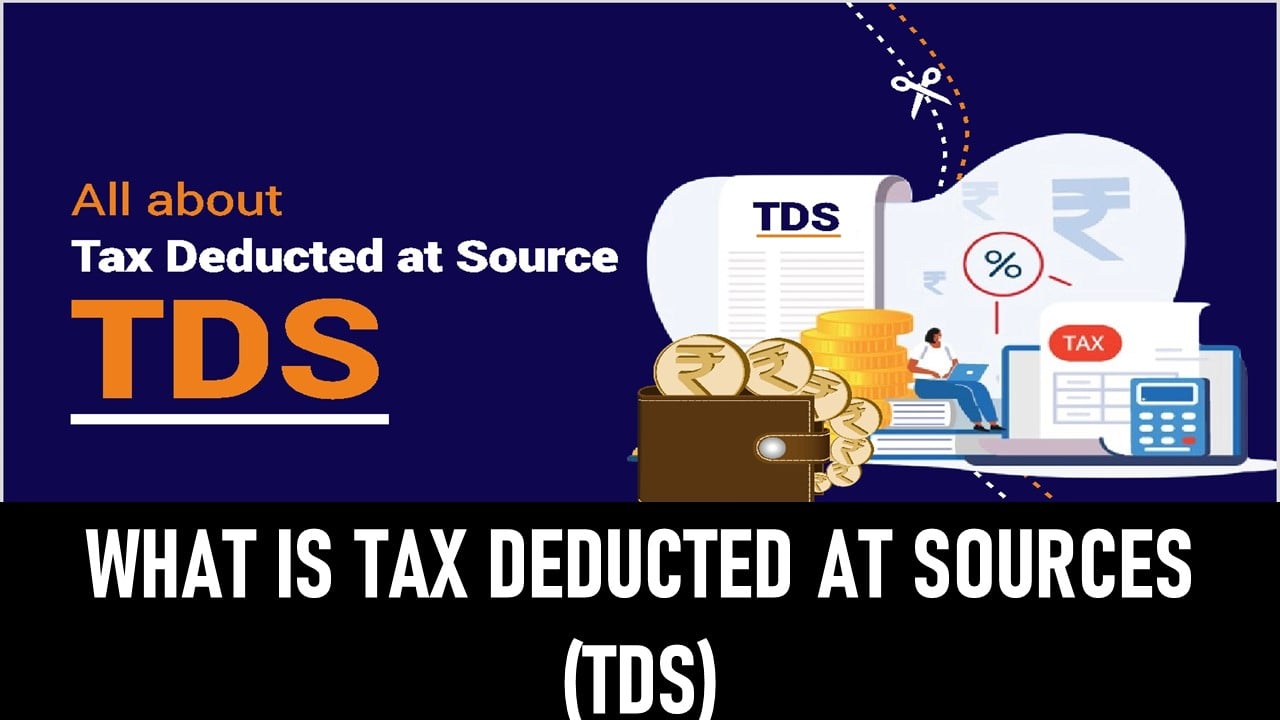
TDS is a system in which the tax is deducted by the deductor, who is making a payment (like salary, rent, commission, etc.), to another person, known as the deductee.
What is TDS? Know Penalties For Non-Compliance
 Nidhi
Nidhi May 20, 2025
Table of Contents

Understanding TDS: How It Works and Why It Matters?
Have you ever noticed that when you receive income through various sources, including salary, rent, interest, or professional services, some part of the income is deducted before you receive it? This portion is known as Tax Deducted at Source (TDS). But have you ever wondered why this TDS is deducted? Let us understand more about TDS.
Hope you find this material helpful.
What is TDS?
TDS is a system in which the tax is deducted by the deductor, who is making a payment (like salary, rent, commission, etc.), to another person, known as the deductee. This TDS is then deposited with the tax authority. The deductee can claim this deducted tax as a credit while filing their Income Tax Return (ITR). The aim of this system is to reduce tax evasion, and as the tax is collected at the source, it also ensures the timely collection of taxes. For deductors, it's important to file quarterly TDS returns (such as Form 24Q, 26Q) as late filing can lead to penalties under Section 234E. When you file your ITR, the TDS amount already deducted is adjusted against your total tax liability.What TDS Applicable For?
TDS applies to various types of payments, such as:- Salaries (Section 192)
- Interest (Section 194A)
- Rent (Section 194I)
- Professional fees (Section 194J)
- Commission or brokerage (Section 194H)
- Sale/purchase of property (Section 194-IA)
- Dividend (Section 194) and others.
What are the TDS Rates?
TDS rates are based on the type of payment and, type of recipient (individual, firm, NRI, etc.). If the deductee fails to submit their PAN, TDS is deducted at 20% or higher as per the applicable section.TDS Certificates
You can see the TDS details in Form 26AS or the Annual Information Statement (AIS). The deductor is required to issue TDS certificates to the deductee. This includes:- Form 16: For salary payments
- Form 16A: For non-salary payments

Penalty for Non-Compliance
If you fail to deduct or deposit TDS, you might have to face consequences, including interest and penalties for Non/short deduction (Sec 201), late deposit (Sec 201(1A)), and not filing returns (Sec 234E, 271H). TDS Late deduction, Late Payment and Late Filing Fees:| Type of Deduction | Description | Formula for Late Fees/Interest |
| Late Deduction | TDS Not Deducted | Interest = (TDS/ TCS on Amount Paid/ Credited X Period of Delay X 1.5%) |
| Late Fees | Failure to file TDS/ TCS Return on/ Before Due date | Late Filing Fee = INR 200 per Day (Fees cannot Exceed TDS/ TCS Amount) |
| Late Payment | TDS Deducted but not deposited | Interest = (TDS/ TCS Not Deposited X Period of Delay X 1.5%) |
About Author


Nidhi
Content Writer
Nidhi is a skilled content writer specializing in personal finance. She creates clear, engaging articles on mutual funds, investments, insurance, and wealth-building strategies. With a passion for simplifying complex financial topics, Nidhi helps readers make informed money decisions with confidence. She can be reached at [email protected]
Nidhi is a skilled content writer specializing in personal finance. She creates clear, engaging articles on mutual funds, investments, insurance, and wealth-building strategies. With a passion for simplifying complex financial topics, Nidhi helps readers make informed money decisions with confidence. She can be reached at [email protected]
 Studycafe
 New Delhi, Delhi, India
 1832
1832My Recent Articles
- Karnataka High Court Gives Another Chance in GST Matter Due to Lack of Hearing
- Delay Should Be Condoned if Explanation is Unrefuted: ITAT
- Non-Service of Income Tax Notice, Ill health of taxpayer, ITAT condones Appeal filing delay
- Books of Accounts Cannot be Rejected Without Any Specific Defect: ITAT Kolkata
- Karnataka High Court Sends ITC Matter Back to GST Authorities for Reconsideration
Up Next
Loading suggestions…


Recent Posts



All Posts



Tags
No tags yet.
Recent Posts
All Posts
Tags
No tags yet.