30-Month Delay in ITR Filing Not Condonable; Director Disputes No Excuse for Ignoring Statutory Deadlines, Says HC:
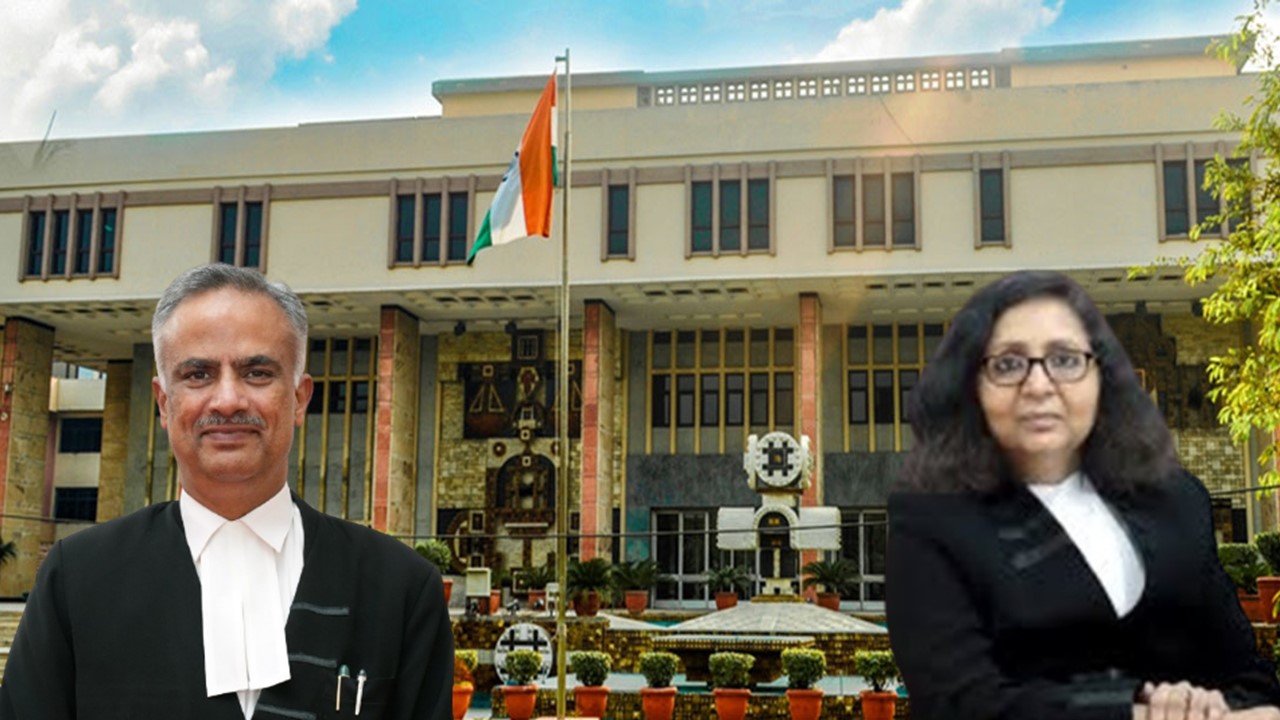
Court Rejects Claim of ‘Genuine Hardship’; Says Companies Cannot Skip Mandatory Compliance Due to Internal Infighting
High Court: Delay of 30 Months in ITR Filing Not Condonable Under Section 119(2)(b)
 Meetu Kumari
 Dec 10, 2025
30-Month Delay in ITR Filing Not Condonable; Director Disputes No Excuse for Ignoring Statutory Deadlines, Says HC
M/s Sirez Limited sought condonation of a 30-month delay in filing its Income Tax Return for AY 2018-19, claiming that internal disputes between its directors and financial distress prevented timely filing. The company had applied under Section 119(2)(b) to condone the delay, seeking carry-forward of business loss of Rs. 1,06,60,750 and refund of Rs. 19,73,540 based on TDS for the relevant year. Although the company submitted documents when called upon and cited management turmoil, the CBDT rejected the condonation request.
The writ petition challenged this rejection, arguing that the company had maintained consistent compliance in earlier years and that the delay was caused by extraordinary circumstances beyond its control.
Main Issue: Whether internal disputes and financial difficulties constitute “genuine hardship” sufficient to condone a 30-month delay in filing the Income Tax Return under Section 119(2)(b) of the Income Tax Act.
HC Held: The Delhi High Court held that Sirez Limited failed to establish any extraordinary circumstance amounting to “genuine hardship” that could justify condonation of a 30-month delay. The Court found the explanation of director disputes unconvincing, noting that no supporting documents, litigation records, or contemporaneous evidence were produced. It emphasised that a company, being a separate legal entity, must ensure statutory compliance regardless of internal disagreements. The Court also highlighted that the company managed to file returns for AY 2017-18 and AY 2019-20 despite the alleged disputes, undermining the credibility of the excuse for AY 2018-19.
The Court observed that those cases involved either proven litigation, demonstrable extraordinary circumstances, or minor delays, none of which applied here. The Court held that accepting a 30-month delay on generic claims would amount to expanding “genuine hardship” far beyond legislative intent. Therefore, the Court upheld the CBDT’s order and dismissed the petition.
To Read Full Judgment, Download PDF Given Below
About Author


Meetu Kumari
Content Manager
Meetu Kumari is an Experienced Advocate and Content Writer with 4+ years of demonstrated history of working in the law practice industry. Skilled in Developing Content, Researching, and Drafting. Strong professional with a Bachelor of Science (B.Sc.) focused on Law from Gujarat National Law University.
Meetu Kumari is an Experienced Advocate and Content Writer with 4+ years of demonstrated history of working in the law practice industry. Skilled in Developing Content, Researching, and Drafting. Strong professional with a Bachelor of Science (B.Sc.) focused on Law from Gujarat National Law University.
 Studycafe
 Jodhpur, Rajasthan, India
 2264
2264My Recent Articles
- ITAT Condones 302-Day Delay, Restores Salary Assessment for Fresh VerificationPremium
- ITAT Condones Delay After Tax Consultant's Death, Restores Appeals for Fresh HearingPremium
- ITAT Remands Salary Addition, Says Taxability Depends on Salary Becoming Due, Not Mere ReceiptPremium
- ITAT Deletes TP Royalty Adjustment, Orders Fresh Review of Commission BenchmarkingPremium
- ITAT Quashes Reassessment Over Unsigned Section 148 Notice Issued to AssesseePremium
Up Next
Loading suggestions…


Recent Posts
All Posts
Recent Posts
All Posts