Saloni Kumari | Jun 26, 2025 |
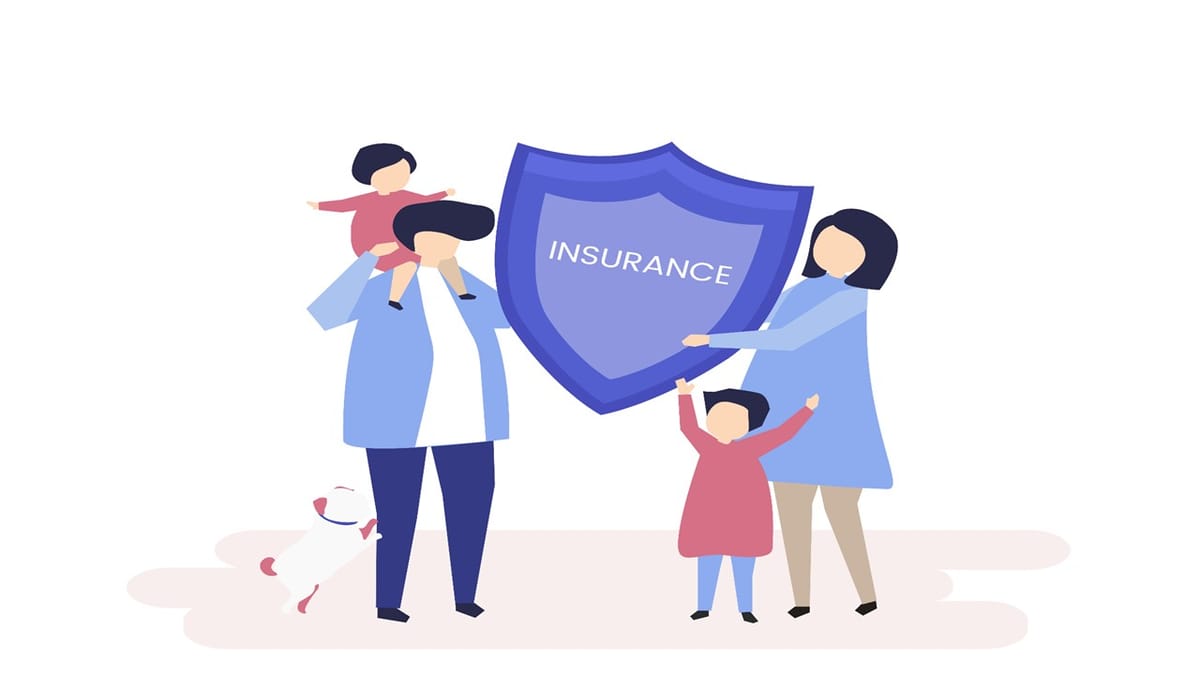

How Family Floater Plans are Evolving: Key Factors Driving the Change
The healthcare space is changing. From modern lifestyles and expectations to sudden rise in diseases and evolving medical practices, there are multiple factors that are making health insurance providers rethink the coverage they offer. The plans that once sufficed are no longer enough to cover health risks that families face nowadays. As a result,family floater plans are extending beyond just the usual benefits, offering coverage that is practical given changing scenarios. Continue reading to know why and how this plan is taking a new shape.
A family floater plan refers to a family health insurance plan in which a single sum insured is shared among the covered family members. While individual health insurance policies allow each person to have a separate coverage limit, a floater plan lets the member use the entire sum insured as required. These plans usually cover spouses, dependent children, and parents.

Family floater plans focus on day-care procedures, pre- and post-hospitalisation expenses, and basic hospitalisation. However, these plans are now being redesigned to stay aligned with the healthcare demands of modern families, owing to a dramatic surge in lifestyle diseases and unpredictable health threats.
Family health insurance plans have not transformed simply, several factors have driven changes in how this product is designed. Here’s a roundup of the factors:
Medical conditions like diabetes, hypertension, obesity, and heart problems are increasing dramatically, especially among younger age groups. Traditionally, insurance products were more geared toward acute illnesses. Fast forward to date, family floater plans are being designed to include lifestyle disease management, annual health check-ups, and wellness programs as core aspects of the coverage.

Few realised mental health coverage was even an option. Today, it is becoming just as important as other common health-related problems. With the rise in the cases of anxiety, depression, and work-related stress, family health insurance providers are offering coverage for psychiatric consultations, therapy sessions, and even medication for mental health disorders, all included within family health insurance plans.
The pandemic era (COVID-19) served as a stark reminder to design health plans that cover the treatment costs during viral outbreaks. Family floater plans now offer coverage for pandemics, infectious diseases, and related hospitalisation. These plans also offer relief with waiting periods, which largely vary from insurer to insurer.
Contemporary medical practices like targeted therapies, advanced diagnostic tools, and robotic surgeries were either partially covered, or were never ever a part of a health plan. Insurance providers are now redesigning coverage to offer a broader inclusion of technology-driven treatments. This ensures that families have the access to the best health insurance plans that align with modern treatments.
Nowadays, families are more diverse, with nuclear families and single-parent households becoming common. Modern family floater plans are evolving to offer flexible coverage that can accommodate non-traditional family definitions, enabling broader protection.
While health insurance plans only focused on hospitalisation earlier, things are changing for good. Modern family floater plans offer coverage for preventive care, including annual screenings, diagnostic tests, vaccinations, and even outpatient consultations, which helps detect and manage diseases early.
Many health insurance providers offer wellness-linked benefits. Policyholders can now earn rewards, usually discounts on premiums, for maintaining a healthy routine, completing health check-ups, or participating in fitness programs. These proactive features now make health plans more comprehensive and valuable.
With the pandemic, at-home treatments like nursing care, oxygen therapy, and doctor home visits became normal. New-age family floater plans now include coverage for such treatments and services. This allows families to access medical care without the hassle of hospital visits and admissions.
Telemedicine is emerging as a go-to consultation mode for people. The best health insurance plans have online doctor consultations, 24×7 helplines, and virtual health assessments, all integrated into their benefits lineup. This enhances accessibility and convenience for families.
Health insurance policies are now offering plans where families can customise their coverage with additional benefits, like critical illness cover, personal accident protection, and maternity perks. Top-up plans are also becoming the new normal in coverage offerings, allowing families both flexibility and affordability.
The evolution of family health insurance plans is marked by changing customer expectations and trends in the medical industry. The health challenges families are facing nowadays are not necessarily the same as those in the past. Best health plans are ones that adapt to the changing scenarios, offering families the coverage they need, now what has been working till now.

In case of any Doubt regarding Membership you can mail us at [email protected]
Join Studycafe's WhatsApp Group or Telegram Channel for Latest Updates on Government Job, Sarkari Naukri, Private Jobs, Income Tax, GST, Companies Act, Judgements and CA, CS, ICWA, and MUCH MORE!"