Court upholds constitutional validity of Maharashtra Act XLII of 2014, which includes certain online booking charges in “payment for admission” for levy of entertainment duty
Meetu Kumari | Aug 20, 2025 |
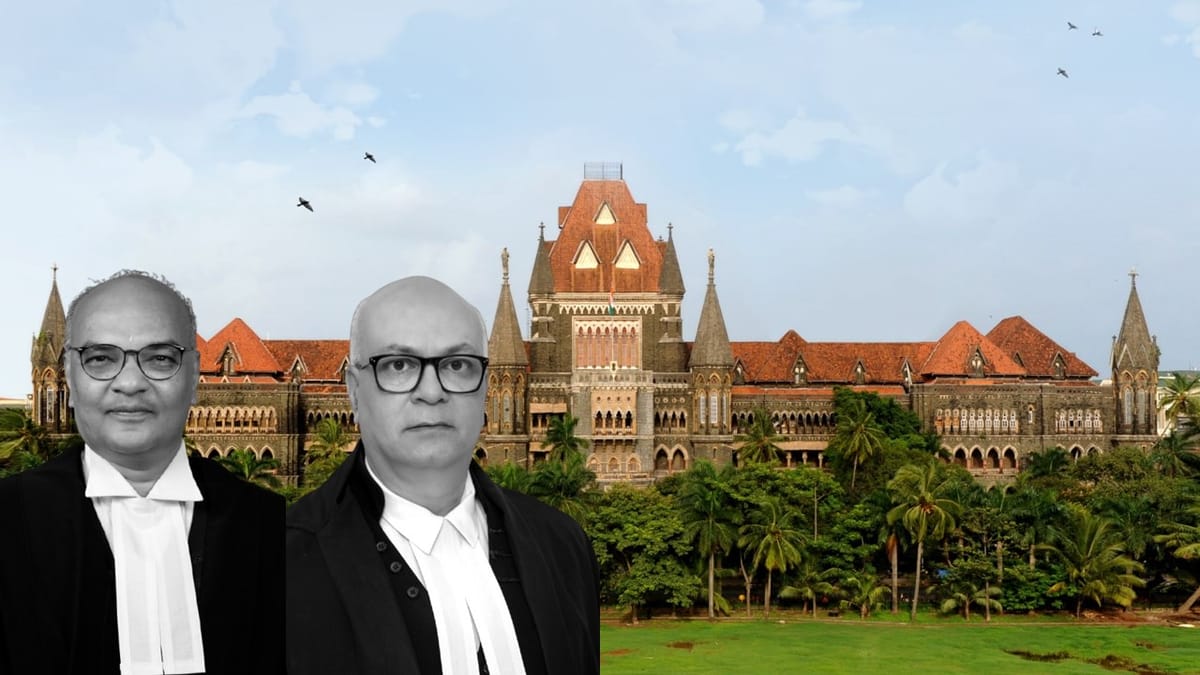

Bombay HC Upholds Validity of Entertainment Duty on Online Booking Charges
The petitions were filed to challenge the constitutional validity of the seventh proviso to Section 2(b) of the Maharashtra Entertainments Duty Act, 1923, introduced by Maharashtra Act XLII of 2014. This proviso permitted exclusion of nominal service charges from the term “payment for admission” subject to a limit, but subjected any sum charged over such limit to the scope of entertainment duty. Petitioners submitted that online booking or convenience charges were discretionary services and not necessarily linked with admission, and hence beyond the scope of levy.
During the pendency of the proceedings, petitioners were directed to furnish monthly data and copies of agreements with booking service providers. Interim protection was granted on limited terms. Petitioners contended that the levy lacked constitutional backing, as the State could not include service components in the taxable base. The State, however, maintained that the amendment was within its legislative powers and only altered the measure of the existing tax, without exceeding its competence under the Constitution.

Main Issue: Whether the seventh proviso to Section 2(b), inserted by Maharashtra Act XLII of 2014, validly brings online ticket-booking and convenience charges (beyond the notified limit) within the definition of “payment for admission” to make them exigible to entertainment duty.
Court’s Ruling: The Court upheld the validity of the proviso, holding it intra vires the Constitution. It observed that online booking or convenience charges were intrinsically linked with the process of securing admission, and therefore, fell within the meaning of “payment for admission.” The amendment, according to the Bench, merely altered the measure of levy and did not create a new tax.
As a result, the petitions were dismissed. The Court declined to strike down the circulars of 31 January 2015 and 27 February 2015. Interim reliefs were set aside, although continued for four weeks to permit compliance. The respondents were left free to recover entertainment duty in accordance with law, and the rule stood discharged without costs.
To Read Complete Judgment, Download PDF Given Below


In case of any Doubt regarding Membership you can mail us at [email protected]
Join Studycafe's WhatsApp Group or Telegram Channel for Latest Updates on Government Job, Sarkari Naukri, Private Jobs, Income Tax, GST, Companies Act, Judgements and CA, CS, ICWA, and MUCH MORE!"