SC rules that mere mention of the word “arbitration” in a contract clause does not create a binding arbitration agreement; upholds P&H High Court’s finding in Alchemist Hospitals case.
Meetu Kumari | Nov 8, 2025 |
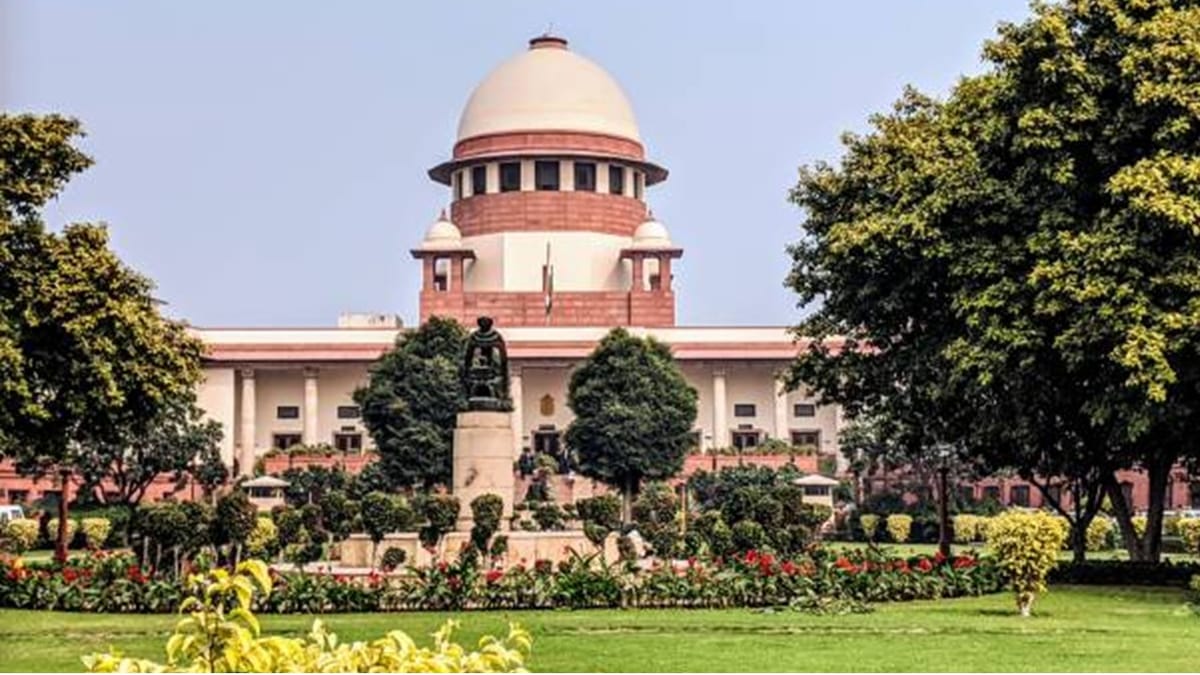

SC Clarifies: “Mediation Between Chairmen” Clause Not Arbitration Agreement Under A & C Act
M/s Alchemist Hospitals Ltd., a private healthcare institution based in Panchkula, entered into a Software Implementation Agreement with M/s ICT Health Technology Services India Pvt. Ltd. for deploying “HINAI Web Software” to modernize its hospital information systems. The project ran into technical issues and delays, prompting the hospital to roll back the system and invoke Clause 8.28 of the Agreement labelled “Arbitration” seeking dispute resolution through negotiation, mediation, and, if unresolved, arbitration between the respective Chairmen of both companies. When talks failed, Alchemist issued a notice seeking the appointment of a sole arbitrator under Section 11(6) of the Arbitration and Conciliation Act, 1996.
HC Held: The High Court, however, dismissed the application, holding that Clause 8.28 merely provided for internal negotiation and mediation, not a binding arbitral process. The Court reasoned that since the clause allowed parties to approach civil courts if disagreements persisted, it lacked the finality and neutrality required for arbitration. Aggrieved, Alchemist appealed to the Supreme Court, contending that multiple references to the word “arbitration” in the clause indicated a clear intent to arbitrate disputes.

Main Issue: Whether Clause 8.28 of the Software Implementation Agreement between Alchemist Hospitals and ICT Health Technology constituted a valid arbitration agreement under Section 7 of the Arbitration and Conciliation Act, 1996.
SC Held: The Court upheld the High Court’s view that Clause 8.28 was not a valid arbitration clause. The Bench observed that while the term “arbitration” appeared repeatedly in the clause, there was no indication that the parties intended their disputes to be finally and conclusively decided through an arbitral process. The clause only contemplated negotiation and mediation between company executives, and if unresolved, permitted either party to seek remedies in court, a clear sign that the process lacked binding effect.
Citing K.K. Modi v. K.N. Modi (1998), Jagdish Chander v. Ramesh Chander (2007), and Mahanadi Coalfields Ltd. v. IVRCL AMR JV (2022), the Court reiterated that the mere use of the word “arbitration” does not make a clause an arbitration agreement unless it reflects an intention to submit disputes to an independent and binding adjudicatory process. Concluding that the clause was merely a structured internal settlement mechanism, the Court dismissed the appeal while granting Alchemist liberty to seek remedies before a competent civil court and permitting it to claim the benefit of Section 14 of the Limitation Act, 1963.

To Read Full Judgment, Download PDF Given Below

In case of any Doubt regarding Membership you can mail us at [email protected]
Join Studycafe's WhatsApp Group or Telegram Channel for Latest Updates on Government Job, Sarkari Naukri, Private Jobs, Income Tax, GST, Companies Act, Judgements and CA, CS, ICWA, and MUCH MORE!"