The Gujarat High Court cancels Rs. 3.17 crore penalty, holding that a wrong or debatable tax claim is not “concealment” under Section 271(1)(c).
Saloni Kumari | Nov 20, 2025 |
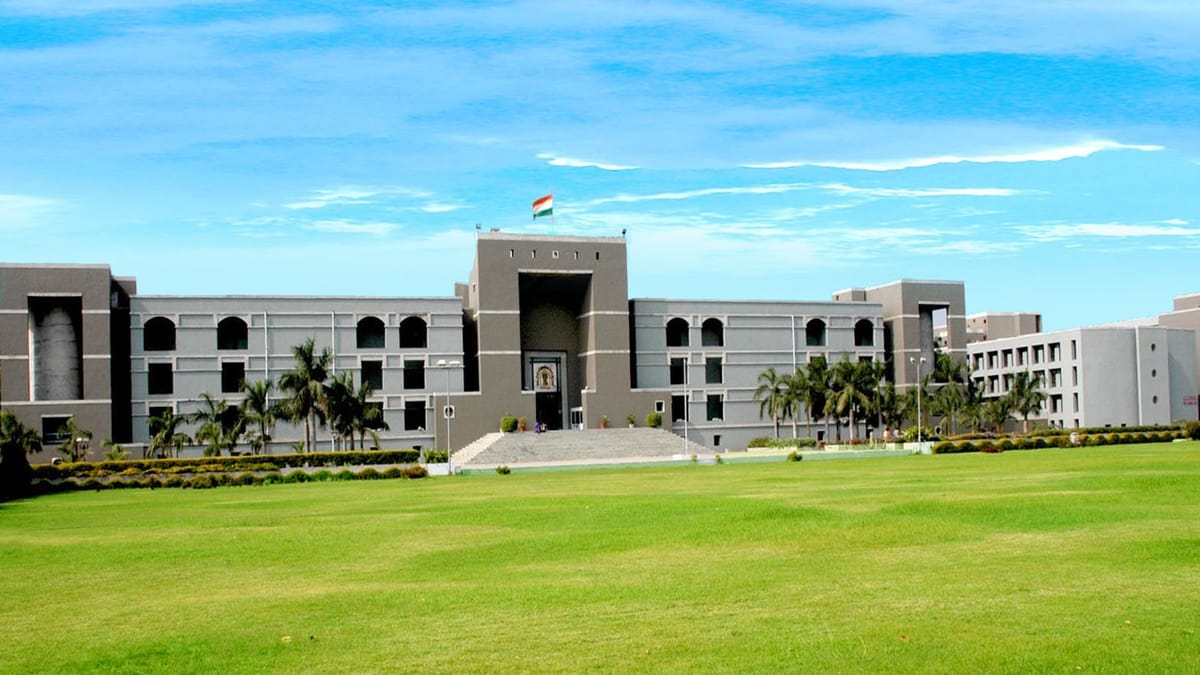

Gujarat High Court Quashes Rs. 3.17 Crore Penalty; Says Wrong Claim Is Not Concealment
The case had been filed by the Director of Income Tax (International Taxation) against a company named Niko Resources Ltd in the Gujarat High Court. The present two appeals challenged the same judgment and order passed by the Income Tax Appellate Tribunal (ITAT), Ahmedabad, Bench-D on April 30, 2010, for the assessment year 2002-03, regarding the penalty imposed under Section 271(1)(c) of the Income Tax Act for allegedly giving incorrect or inaccurate details in the tax return.

The company, Niko Resources Ltd, is a Canada-based firm involved in the business of natural gas and oil exploration. The company engaged in a joint venture with the Gujarat State Petroleum Corporation Ltd. (GSPCL) for the exploration and development of natural gas and oil fields located in India. This engagement ultimately led to entering into production sharing contracts with the Government of India on September 23, 1994. The contracts were filed for the exploration and development of five designated natural gas and oil fields in the state of Gujarat. In this context, the company was granted permission to set up a project office in India, effective from August 14, 1994.
The company filed its Income Tax Return (ITR), declaring the total income of Rs. 63.14 Crore. The Assessing Officer started its assessment of return under section 143(3) of the Income Tax Act and, through an order dated February 28, 2005, determined the total income of the assessee at Rs. 77.14 Crore and started penalty proceedings for inaccurate details.

Later, the CIT(A) confirmed some additions and deleted some. The Assessing Officer imposed a penalty of Rs. 3.17 crore for all additions. The aggrieved company filed an appeal before the Tribunal, where the ITAT cancelled the penalty, saying the claims made by the company, like depreciation on pipelines or drilling platforms or deduction under Section 42, were debatable issues and not false claims. Also, the company did not hide anything. The tribunal also cited the Supreme Court‘s judgment in Reliance Petroproducts to support its ruling, in which the court ruled that just making a wrong claim does not mean the assessee furnished inaccurate particulars.
The aggrieved Revenue then filed an appeal against his penalty cancellation before the Gujarat High Court. The court analysed the arguments of both sides and held that the Tribunal was right in cancelling the penalty. The court said a penalty cannot be imposed on a company if it made a claim based on interpretation, and no detail in the return was proved to be incorrect. In an earlier judgement, the High Court had already ruled that oil wells should be treated as “plant”, which is eligible for higher depreciation. Therefore, such a claim by the company was not incorrect.
In the final ruling, the High Court dismissed the appeal filed by Revenue and held in favour of the company. The penalty under Section 271(1)(c) stands cancelled.

In case of any Doubt regarding Membership you can mail us at [email protected]
Join Studycafe's WhatsApp Group or Telegram Channel for Latest Updates on Government Job, Sarkari Naukri, Private Jobs, Income Tax, GST, Companies Act, Judgements and CA, CS, ICWA, and MUCH MORE!"