Meetu Kumari | May 1, 2026 |
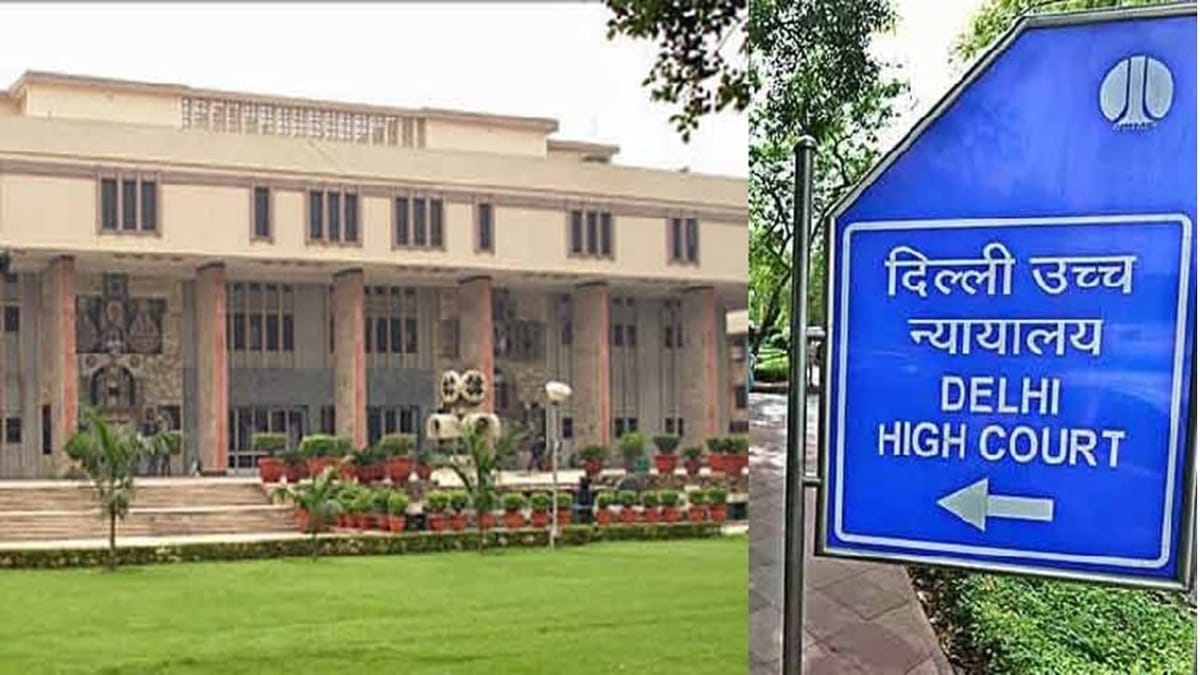

GSTAT now functional, High Court Rejects Writ in GST Refund Matter
Mahanadi Exporttek Private Limited has moved the High Court to contest the rejection of its GST refund claims, which were blocked due to alleged documentation gaps and DGARM risk alerts regarding its suppliers. The exporter argues that the tax department violated the principles of natural justice by relying on “hidden” data not mentioned in the original notices and failing to provide a fair hearing. With the GST Appellate Tribunal currently viewed as an ineffective remedy due to functional limitations, this case serves as a major test of whether automated risk flags can legally override a taxpayer’s documented proof and right to a transparent defence.

Central Issue: Whether the High Court exercises writ jurisdiction under Article 226 in a GST refund dispute alleging violation of natural justice, despite the availability of a statutory appellate remedy?
HC’s Decision: The Delhi High Court has declined to intervene in this GST dispute, ruling that the petitioner must adhere to the standard legal hierarchy by approaching the GST Appellate Tribunal (GSTAT) under Section 112. In its decision, the Court emphasised that writ jurisdiction under Article 226 is not a shortcut for resolving every disagreement with tax authorities, especially when a specialised appellate body is available. The Court drew a sharp distinction between a lack of jurisdiction and a mere error in judgement, noting that since the tax officers possessed the legal authority to handle the case, any alleged mistakes in their findings should be corrected through the formal appeals process rather than a constitutional challenge.

Furthermore, the Court dismissed claims that the principles of natural justice were violated, observing that the company had been provided with show-cause notices, the opportunity to file replies, and personal hearings at multiple levels. The ruling clarified that a disagreement with the department’s conclusion does not equate to a denial of due process. Recognising that the GSTAT is now functional and equipped with the necessary virtual infrastructure, the Court disposed of the petition while granting the company the liberty to file a formal appeal. This ensures that all specific arguments, including technical disputes regarding DGARM data, will be evaluated on their merits by the tribunal rather than the High Court.
To Read Full Judgment, Download PDF Given Below.

In case of any Doubt regarding Membership you can mail us at [email protected]
Join Studycafe's WhatsApp Group or Telegram Channel for Latest Updates on Government Job, Sarkari Naukri, Private Jobs, Income Tax, GST, Companies Act, Judgements and CA, CS, ICWA, and MUCH MORE!"