All About PMJAY: Ayushman Bharat Health Insurance Scheme
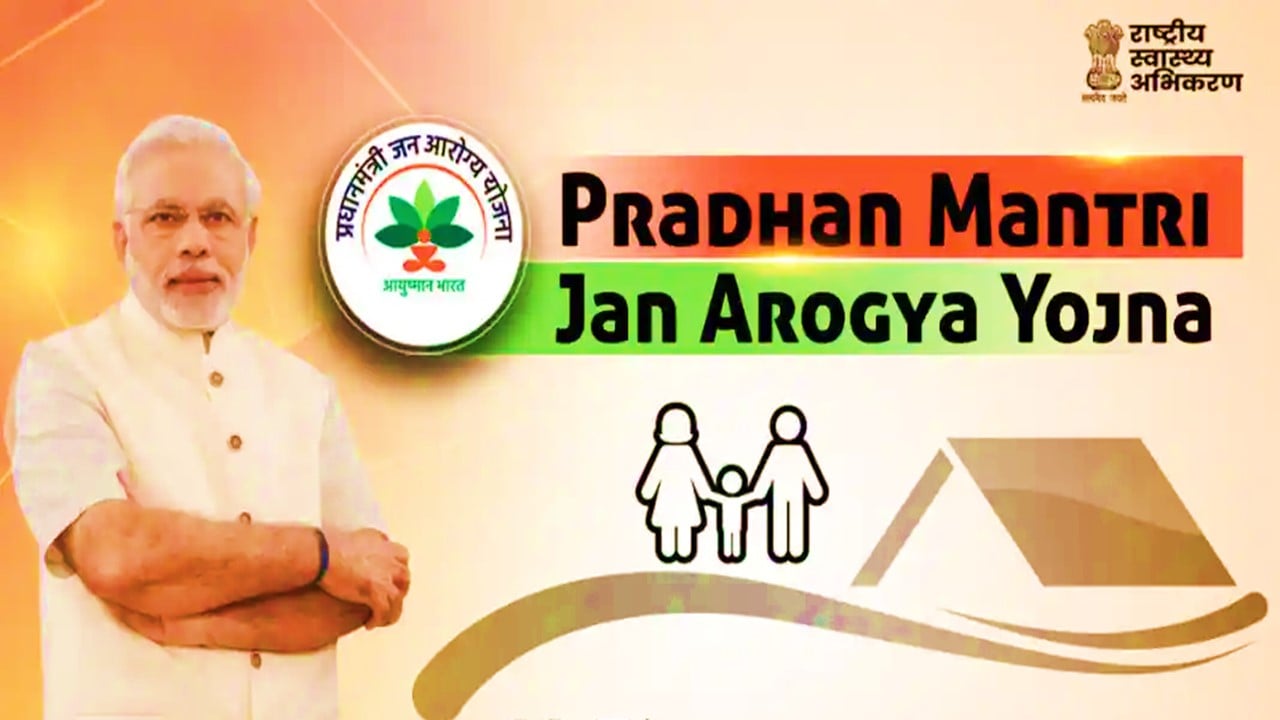
All About PMJAY: Ayushman Bharat Health Insurance Scheme The Indian government adopts a variety of measures to improve the social welfare of the Indi…
 Deepshikha Mahapatra
 Jun 12, 2022
Table of Contents

All About PMJAY: Ayushman Bharat Health Insurance Scheme
The Indian government adopts a variety of measures to improve the social welfare of the Indian people. As a result, many social security plans and initiatives are established with this goal in mind. The Ayushman Bharat health insurance scheme was one such initiative launched by the government in 2018. Let's take a closer look at this scheme.
What is the Ayushman Bharat health insurance scheme?
The Ayushman Bharat health insurance programme is a government-run health insurance programme for the poorest members of society. When our honourable Prime Minister, Mr Narendra Modi, delivered his Independence Day speech on August 15, 2018, the scheme was introduced. Following its launch, the Ayushman Bharat health insurance scheme went into effect on September 25, 2018. When it was first introduced, the scheme was known as the Ayushman Bharat National Health Protection Scheme. The Pradhan Mantri Jan Arogya Yojana, however, has been renamed (PMJAY).What does Ayushman Bharat health insurance scheme offer?
The Pradhan Mantri Jan Arogya Scheme provides poor and backwards-class households with free health insurance coverage of up to INR 5 lakhs. This PM health insurance plan provides cashless hospitalisation and disease treatment.Who is covered under Ayushman Bharat health insurance?
The PM health insurance programme is designed to help the poorest members of society. The data from the 2011 Socio-Economic Caste Census (SECC) was used to identify this section. According to the census, there are approximately 8.03 crore families in the rural sector who are eligible. 2.33 crore families in the urban sector have been identified as eligible for the scheme. As a result, India's Pradhan Mantri health insurance scheme covers over 10 crore recognised families.Features of Ayushman Bharat health insurance
The following are the unique characteristics of this government-sponsored insurance programme:- The policy has a coverage limit of INR 5 lakhs. This coverage is available as part of a family floater.
- The plan can cover an unlimited number of family members. There is no limit on the age of family members. It is possible to cover people of various ages.
- The claims will be resolved without the use of cash, and the insured member will be able to receive cashless treatments.
- This is a government-sponsored health insurance plan for which the insured member pays no premiums. The government is responsible for the expense of coverage.
- Families who meet the SECC database's eligibility requirements and categories are automatically covered. They are not required to formally enrol in the plan.
Entitlement categories under Ayushman Bharat health insurance
As previously stated, the Pradhan Mantri Health Yojana is limited to specific families as listed in the SECC database. Different entitlement categories are defined in the database. These classifications are based on the level of poverty experienced by the covered household. Six entitlement categories are stated for rural areas, which are based on the SECC database and measure the family's depravity. D1, D2, D3, D4, D5, and D7 are the categories. If a family falls into one of these categories, PMJAY coverage will be granted to them.Eligibility parameters of PMJAY
Modi's health insurance policy covers families who fall into any of the above-mentioned entitlement groups. Other families that do not fall into any of the entitlement categories but meet certain eligibility requirements can also be covered under the PMJAY plan. The following are the eligibility requirements that must be met:For rural areas
- The family should live in a one-room house and the house should have kachcha walls and roof
- The family should not have an adult member aged 16 years to 59 years
- If a female is the head of the family, the family should not have an adult male aged between 16 years and 59 years
- The family should consist of a disabled member and there should be no adult who is able-bodied
- The family should belong to a Scheduled Caste / Scheduled Tribe
- The household should not own any land and should earn their income primarily doing casual manual labour
- The family should be a manual scavenger family
- The individual should be a destitute
- The family should survive on alms
- Individuals who were bonded labourers and who have been released legally
- Tribal groups
For urban areas
In urban areas, 11 occupational groups have been determined, and individuals and/or families who fall into these categories will be eligible for Modi insurance coverage. The following are the occupational categories: Domestic workers- Ragpickers
- Beggars
- Sweeper or sanitation worker or gardener
- Shop worker / helper / assistant / peon working in a small establishment / delivery assistant / waiter / attendant
- Washerman or chowkidar
- Street hawker /vendor/cobbler or other service providers working on the streets
- Electrician/mechanic/repair worker or assembler
- Construction worker / plumber / mason / painter / welder / labour / coolie / security guard and other head-load workers
- Tailor/handicrafts worker / home-based worker /artisan
- Driver/transport worker/conductor/helper to drivers and conductors/rickshaw or cart pullers
Coverage under Ayushman Bharat health insurance
The following are covered under the Prime Minister's health insurance scheme:- Pre and post-hospitalisation expenses.
- All types of secondary care and the majority of tertiary care treatments.
About Author


Deepshikha Mahapatra
Editor
 Studycafe
 Bhubaneswar, Orissa, India
 226
226Up Next
Loading suggestions…


Recent Posts
All Posts
Tags
Recent Posts
All Posts