Delhi HC Cuts TDS to 2% in Software Taxation Dispute; Cites Lack of Reasoning in Section 197 Order:
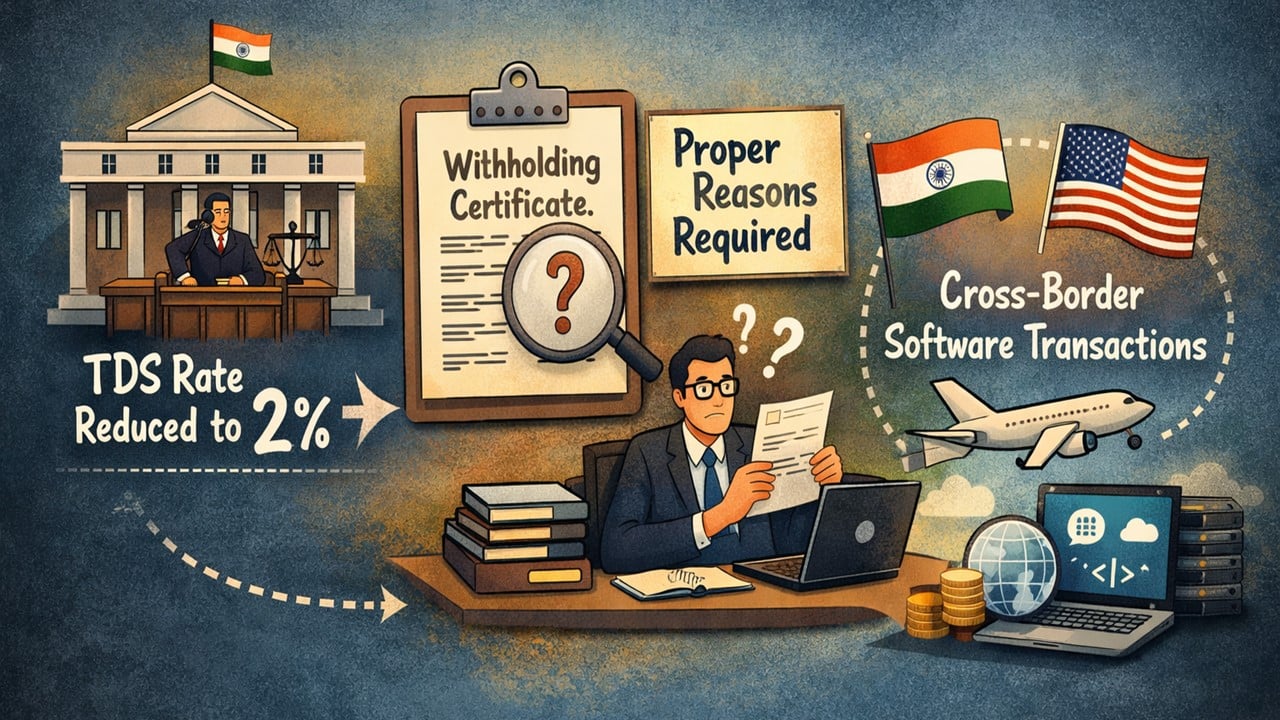
Delhi HC reduced the TDS rate to 2%, holding that the tax authorities must provide proper reasons while issuing withholding certificates in cross-border software transactions.
Delhi High Court Modifies Withholding Certificate
 Saloni Kumari
 Mar 3, 2026
Delhi HC Cuts TDS to 2% in Software Taxation Dispute; Cites Lack of Reasoning in Section 197 Order
The Delhi High Court has announced its final judgement dated February 24, 2026, on a writ petition filed by a non-resident company, DocuSign Inc., against the Income Tax Department, challenging an order dated August 11, 2025, passed by the Office of Circle Int Tax 1(2)(2). Through the impugned order, the tax authorities had issued a certificate under Section 197 of the Income Tax Act, 1961, directing that tax be withheld at 4% on its payments.
The assessee is a software company of the United States of America (USA), with its principal place of business in San Francisco, California, USA. The assessee company provides its services in India through the global distribution arrangements and direct sales arrangements.
The company argued that it is a tax resident of the US and that its transactions with Indian customers do not involve royalty or “Fees for Included Services” under the India-USA Double Taxation Avoidance Agreement. It also relied on the Supreme Court’s ruling in Engineering Analysis Centre of Excellence Ltd v. CIT, which clarified the taxability of software payments. DocuSign contended that the tax authority gave no proper reasons for fixing the 4% rate.
The tax department argued that the nature of the company’s transactions had not yet been fully examined and that final tax liability would be determined during assessment proceedings. It added that excess tax, if any, could later be refunded. When the High Court analysed the facts of the case, it noted that the tax authorities had not provided adequate reasons in their order. Observing that most of the financial year had already passed and that 4% tax was being deducted, the Court directed the department to issue a revised certificate allowing tax deduction at 2% for Assessment Year 2026-27. The petition was partly allowed, with directions for proper consideration in future years.
About Author


Saloni Kumari
Content Writer
Saloni is a Content Writer with 2+ years of experience at studycafe.in. She writes legal, taxation, and finance related content including GST, Income Tax etc. Skilled in translating complex judicial pronouncements and regulatory developments into clear, and reader-friendly articles. Experienced in covering judgements of ITAT, High Court, GSTAT, and news related to Income Tax, GST, and corporate law. She can be reached at [email protected].
Saloni is a Content Writer with 2+ years of experience at studycafe.in. She writes legal, taxation, and finance related content including GST, Income Tax etc. Skilled in translating complex judicial pronouncements and regulatory developments into clear, and reader-friendly articles. Experienced in covering judgements of ITAT, High Court, GSTAT, and news related to Income Tax, GST, and corporate law. She can be reached at [email protected].
 StudyCafe
 Delhi, Delhi, India
 2923
2923My Recent Articles
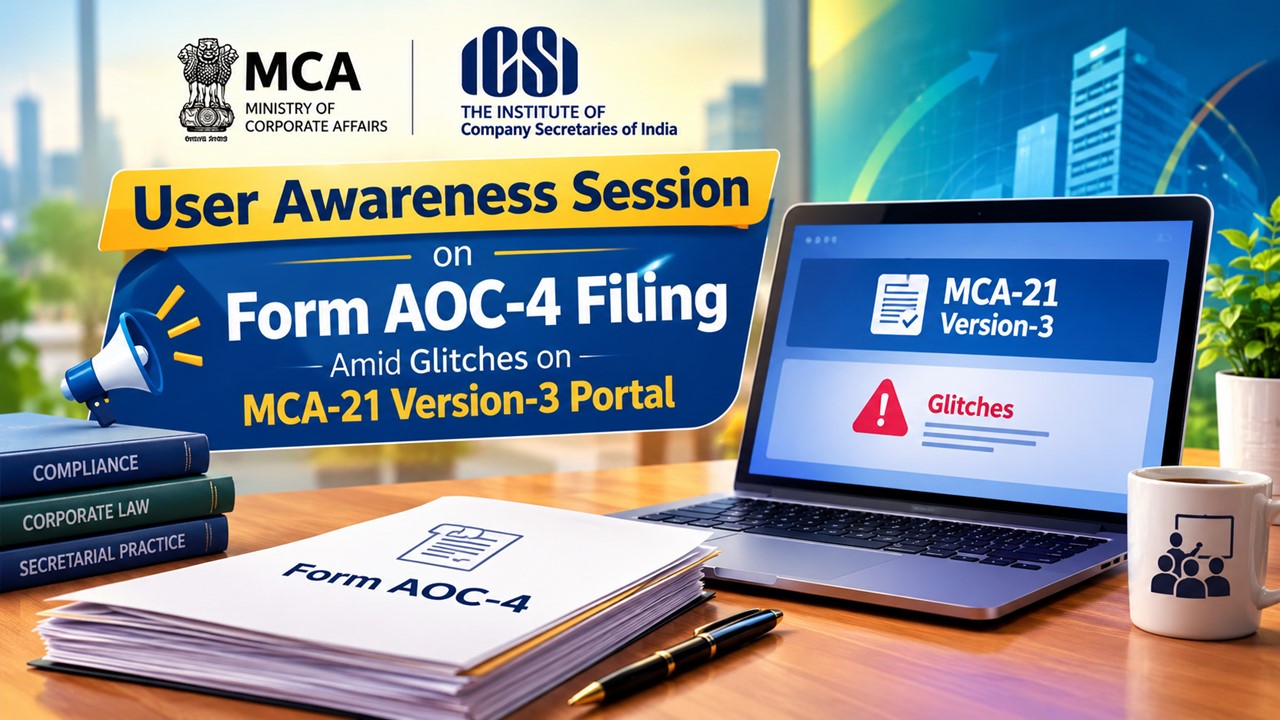
- MCA and ICSI to Hold User Awareness Session on Form AOC-4 Filing Amid Glitches on MCA-21 Version-3 Portal
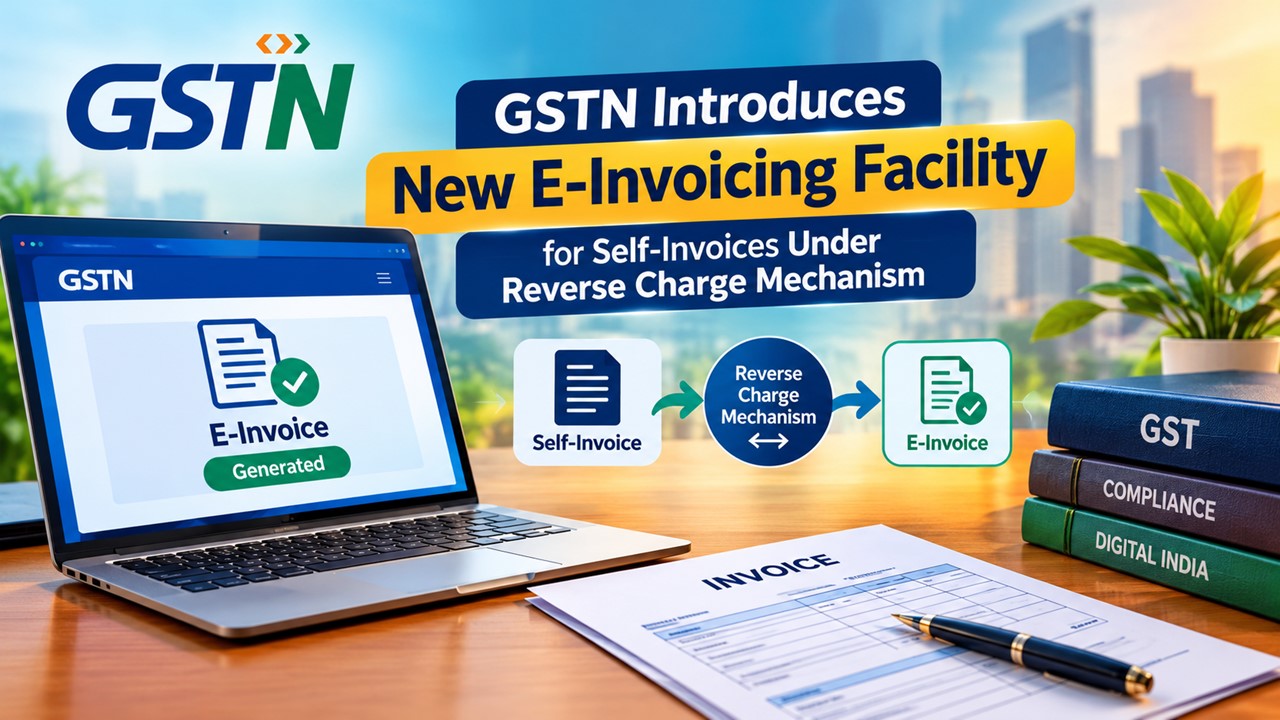
- GSTN Introduces New E-Invoicing Facility for Self-Invoices Under Reverse Charge Mechanism
- Flexi Cap vs Multi Cap Funds: What's the Real Difference?
- IBA Recommends Public Sector Banks to Reduce Ambit of Physical Branch Audits to 50% of Total Business
- ITAT Directs AO to Reconsider Rs 16.44 Lakh Capital Gains and Rs 25.87 Lakh Stamp Duty Value Addition
Up Next
Loading suggestions…


Recent Posts


All Posts

Tags
Recent Posts
All Posts