Delhi HC Dismisses Revenue Appeal on Software Royalty Taxability:
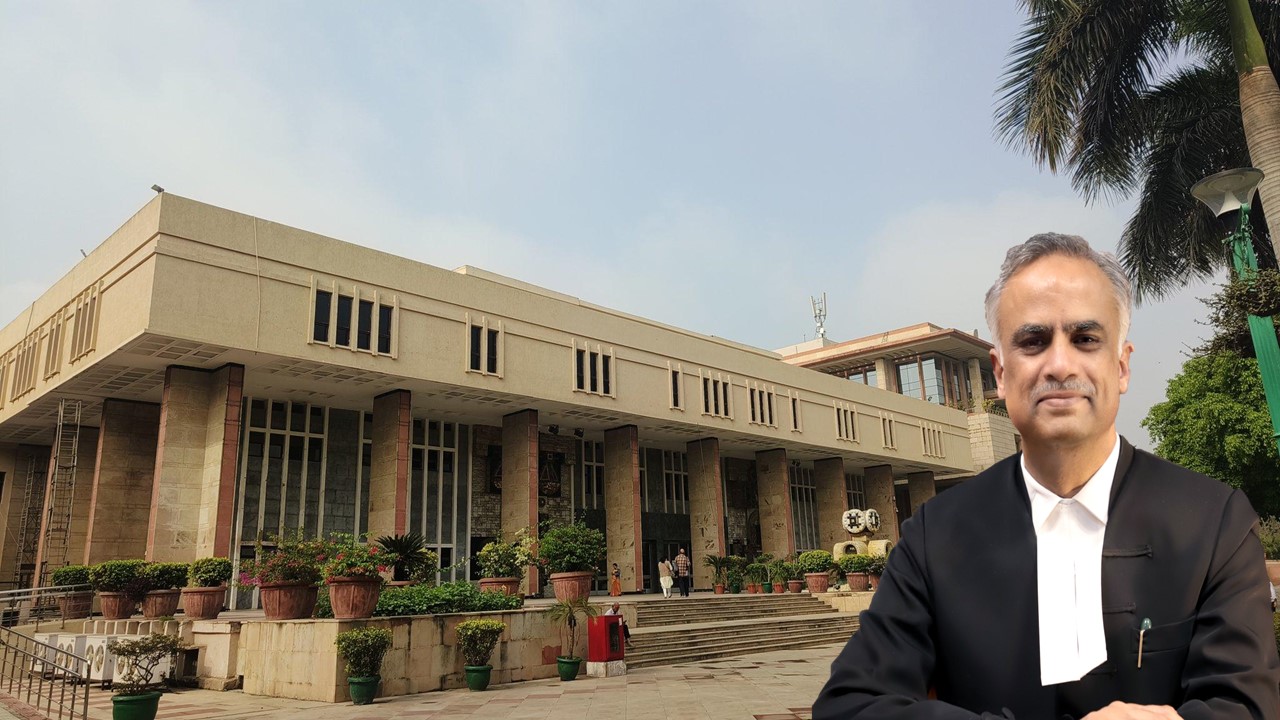
Delhi High Court dismisses Revenue’s appeal; software licence receipts held not royalty following SC’s Engineering Analysis decision
Software licence receipts not taxable as royalty; appeal dismissed in view of SC’s Engineering Analysis ruling
 Meetu Kumari
 Aug 22, 2025
Delhi HC Dismisses Revenue Appeal on Software Royalty Taxability
The assessee, involved in designing and providing fully tailored off-the-shelf wireless broadband solutions, sold off-the-shelf IMS software under non-exclusive licence rights to an Indian company during AY 2010-11. The Assessing Officer treated receipts of Rs. 19,24,80,000/- from the licensed IMS software as taxable under Section 9(1)(vi) of the Income-tax Act read with Article 12 of the India–New Zealand DTAA, and raised TDS issues under Section 195.
The CIT(A) relied on precedent (including Director of Income Tax v. Infrasoft Ltd., Nokia Networks and Ericsson) and held that what was transferred was the right to use a copyrighted article (not rights in copyright), and that retrospective Finance Act, 2012 amendments could not be read into the DTAA in absence of corresponding treaty change. The Tribunal, by order dated 17.02.2022, followed the SC’s decision in Engineering Analysis Centre of Excellence Pvt. Ltd. and dismissed the Revenue’s appeal. The High Court thereafter condoned the delay of 1080 days in re-filing the appeal and proceeded to dismiss the Revenue’s challenge.
Issue Raised: Whether consideration received for granting a non-exclusive licence to use off-the-shelf software is taxable as “royalty” under Section 9(1)(vi) of the Income-tax Act read with Article 12 of the India–New Zealand DTAA, thereby attracting withholding under Section 195, and whether any substantial question of law arises under Section 260A.
High Court’s Decision: The Court held that the Tribunal correctly applied the Supreme Court’s ruling in Engineering Analysis, which states that amounts paid by resident Indian end-users/distributors to non-resident software manufacturers/suppliers for the resale/use of computer software under EULAs/distribution agreements are not “royalty” and do not give rise to income taxable in India; consequently, no obligation to deduct tax under Section 195 arose. Counsel for Revenue did not contest the applicability of the Supreme Court judgment. Finding no substantial question of law, the appeal was dismissed in favour of the respondent. The condonation application (delay of 1080 days) was allowed for reasons stated in the application.
To Read Full Judgment, Download PDF Given Below
About Author


Meetu Kumari
Content Manager
Meetu Kumari is an Experienced Advocate and Content Writer with 4+ years of demonstrated history of working in the law practice industry. Skilled in Developing Content, Researching, and Drafting. Strong professional with a Bachelor of Science (B.Sc.) focused on Law from Gujarat National Law University.
Meetu Kumari is an Experienced Advocate and Content Writer with 4+ years of demonstrated history of working in the law practice industry. Skilled in Developing Content, Researching, and Drafting. Strong professional with a Bachelor of Science (B.Sc.) focused on Law from Gujarat National Law University.
 Studycafe
 Jodhpur, Rajasthan, India
 2264
2264My Recent Articles
- ITAT Condones 302-Day Delay, Restores Salary Assessment for Fresh VerificationPremium
- ITAT Condones Delay After Tax Consultant's Death, Restores Appeals for Fresh HearingPremium
- ITAT Remands Salary Addition, Says Taxability Depends on Salary Becoming Due, Not Mere ReceiptPremium
- ITAT Deletes TP Royalty Adjustment, Orders Fresh Review of Commission BenchmarkingPremium
- ITAT Quashes Reassessment Over Unsigned Section 148 Notice Issued to AssesseePremium
Up Next
Loading suggestions…


Recent Posts



All Posts



Recent Posts
All Posts