Employee Penalized Rs. 10L for Not Disclosing Foreign ESOPs: ITAT Deletes Penalty for Bona Fide Error:
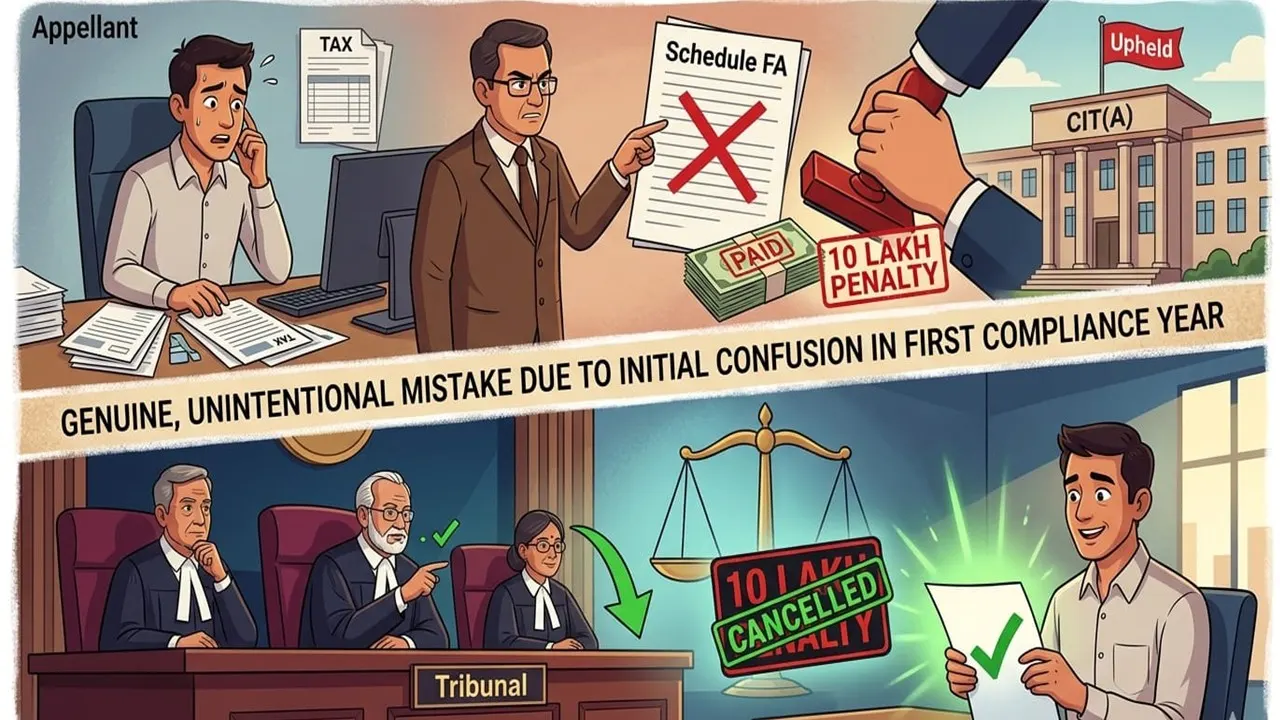
An individual failed to report foreign ESOPs in Schedule FA in the first year of compliance, though taxes were already paid. The tax officer imposed a ₹10 lakh penalty, upheld by CIT(A). The appellant argued it was a genuine, unintentional mistake due to initial confusion.
Technical lapse in Schedule FA doesn’t justify heavy penalty
 Saloni Kumari
 Apr 20, 2026
Employee Penalized Rs. 10L for Not Disclosing Foreign ESOPs: ITAT Deletes Penalty for Bona Fide Error
The Tribunal Cancelled the Rs. 10,00,000 penalty, ruling that the Appellant's failure to disclose assets in Schedule FA was a bona fide, technical oversight during the law's inaugural year, especially since all taxes had already been paid.
Fact Of The Case
The Appellant, an individual who was previously employed by Vedanta Limited abroad, received ESOPs from the UK parent company, which were held through a fiduciary in Jersey.
Despite adhering to tax regulations by paying TDS on the perquisite value and declaring capital gains for AY 2019-20, he unintentionally neglected to report these assets in Schedule FA for AY 2016-17. As a result, the Respondent (Assessing Officer) levied a penalty of Rs. 1,000,000 under Section 43 of the Black Money Act, a decision that was affirmed by the CIT(A).
The appellant then appealed to the Tribunal, contending that the oversight was a genuine mistake stemming from confusion regarding the reporting requirements in the initial year.
Issue Involved In This Case
Is the penalty under Section 43 of the BMA for not disclosing foreign assets in Schedule FA justifiable if the omission was unintentional, taxes are settled, and it was the first year of reporting?
Decision Of The Tribunal
The Tribunal upheld the appeals and revoked the Rs 1,000,000 penalty, stating that the authority to impose penalties under Section 43 of the BMA is discretionary, not mandatory, as indicated by the term 'may'.
Citing Supreme Court precedents, the Bench noted that penalties should not apply for minor breaches without evidence of intentional non-compliance, especially since the Appellant's income was already taxed and subject to TDS.
The Tribunal acknowledged the omission as an honest mistake, highlighting that AY 2016-17 was the first year for such reporting, and the Appellant had already reported capital gains before any notice from revenue authorities.
Ultimately, referencing a similar case, the Tribunal concluded that this minor reporting error did not warrant the severe penalty upheld by the CIT(A).
About Author


Saloni Kumari
Content Writer
Saloni is a Content Writer with 2+ years of experience at studycafe.in. She writes legal, taxation, and finance related content including GST, Income Tax etc. Skilled in translating complex judicial pronouncements and regulatory developments into clear, and reader-friendly articles. Experienced in covering judgements of ITAT, High Court, GSTAT, and news related to Income Tax, GST, and corporate law. She can be reached at [email protected].
Saloni is a Content Writer with 2+ years of experience at studycafe.in. She writes legal, taxation, and finance related content including GST, Income Tax etc. Skilled in translating complex judicial pronouncements and regulatory developments into clear, and reader-friendly articles. Experienced in covering judgements of ITAT, High Court, GSTAT, and news related to Income Tax, GST, and corporate law. She can be reached at [email protected].
 StudyCafe
 Delhi, Delhi, India
 2931
2931My Recent Articles
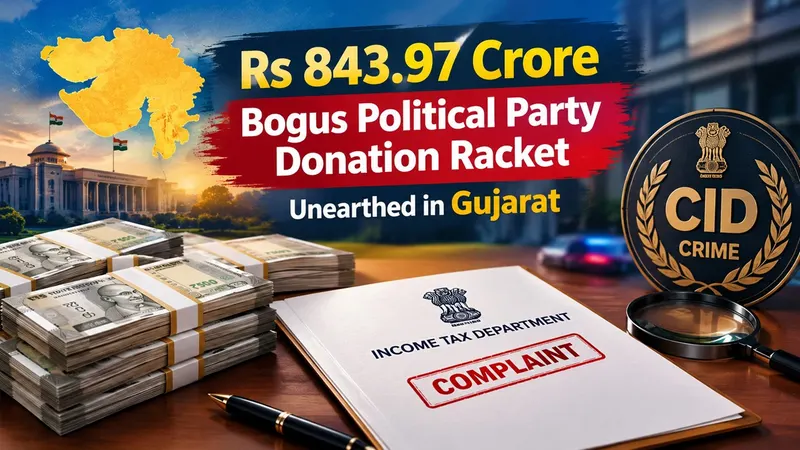
- Rs 843.97 Crore Bogus Political Party Donation Racket Unearthed in Gujarat, Income Tax Dept Files Complaint With CID (Crime)
- Retired Central GST Commissioner Kidnapped by Unknown Persons, Assailants Nabbed Within Hours
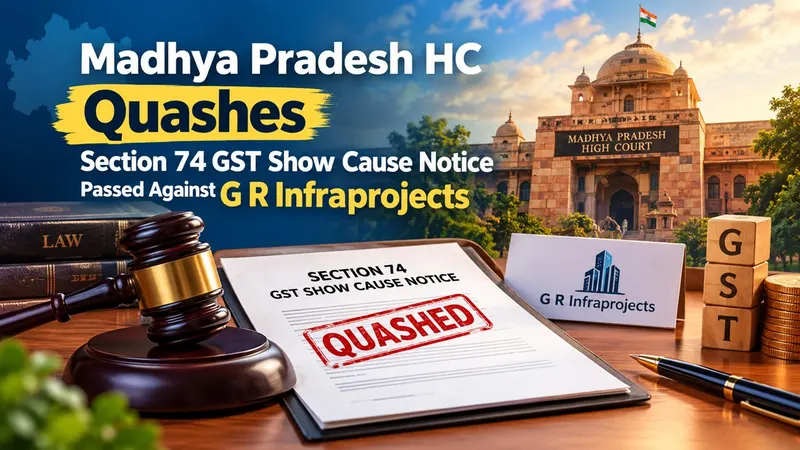
- Madhya Pradesh HC Quashes Section 74 GST Show Cause Notice Passed Against G R Infraprojects
- GSTAT Introduces SOP for Branch Officer-to-Branch Officer (BO-to-BO) Case Transfer Ensuring Seamless Reassignment of Cases
- GSTAT: E-Way Bills Cannot Be Invalidated Merely Because They Were Not Generated by Original Supplier
Up Next
Loading suggestions…


Recent Posts

All Posts

Tags
Recent Posts
All Posts