Forms of Loan Against Property (LAP)
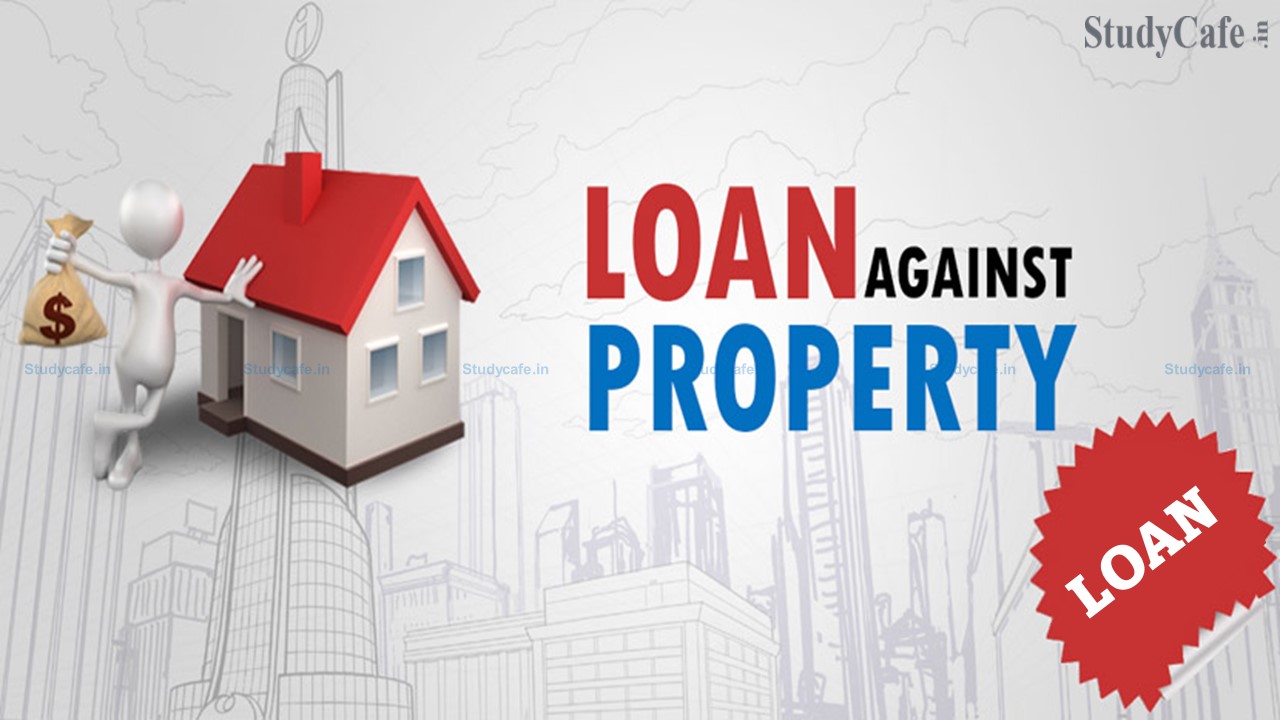
Forms of Loan Against Property (LAP) Every businessperson wishes to expand their operations. Your company's expansion will necessitate capital. The o…
 Deepshikha Mahapatra
 Apr 21, 2022
Table of Contents

Forms of Loan Against Property (LAP)
Every businessperson wishes to expand their operations. Your company's expansion will necessitate capital. The owner's own money isn't always enough to expand the firm, and revenues aren't always high enough to allow you to reach your full potential. You are looking for a loan to expand your business. Effective loan administration aids in the expansion of business operations, which is a basic requirement of every entrepreneur.
Borrowing money can be done in a variety of methods, including project loans, home loans, overdraft limits, and LAP. A Loan Against Property is one of the options for obtaining finances. The borrower, who can be an individual or a business firm/company, is the person who takes out the loan. A lender can be a bank, an NBFC (Non-Banking Finance Company), or even a private lender who makes loans.
ALAP is a loan secured by real estate. The borrower offers the lender his or her property papers in exchange for a loan amount with a fixed percentage rate of interest to be paid back over a set period. Mortgage refers to the act of pledging real estate as collateral for a loan.
Let's start with some LAP facts. These will aid you in selecting how and when to move forward.
Forms of LAP
LAP is one sort of loan by definition, i.e. property is mortgaged and a loan is accepted. However, due to the nature of the property and the loan's future usage, it may have different terms and conditions. Many people request a loan to construct a property that they would mortgage to the lender. It signifies that the property that will be constructed with loan funds will serve as a security for the loan and should be considered a LAP. This isn't LAP at all!! Property must already exist for LAP to work.Properties Covered
LAP can be taken on properties like:- Industrial properties – Factories, Warehouse, Processing units
- Commercial properties- Malls, Shops, complexes, Office buildings, the hotel building
- Residential properties – Residential homes, flats, apartments, individual houses
- Other properties like Schools, Hospitals, Cinema halls etc.
- LAP can also be taken against Land. It must be non-agricultural land.
- Agricultural property is not considered for LAP, as agricultural property is not mortgageable.
- Unbuilt or under construction property – Banks/ NBFC have a list of approved builders. If an under-construction property is being built by an approved builder, then LAP is possible. However, if it is being built by an approved builder, the property must be 90% complete for obtaining a LAP. The percentage of completion is certified by an architect.
Legal check of Property
Property legal checking is a standard procedure that is critical to the lender. This entails verifying the property's legitimacy. Whether the property is legal, whether there are any municipal dues, whether there are any encumbrances on the property, whether the property is scheduled for demolition, whether the property papers are legal, whether the registrar's records for this property are up to date, or whether the borrower is the actual owner of the property according to government records.Valuation of Property – A very significant matter
One of the most significant aspects of LAP is property valuation. The loan is secured by existing property and is offered to the borrower based on its current value and revenue. A qualified valuer who has the competence and authorization to value a property performs the valuation. The property valuer pays a visit to the property's location. Enquiries are made of local brokers and agents for the valuation of properties in the area, market evaluation data is extracted from the internet, Govt. websites, and information about the latest property deals in the surrounding area is obtained to understand the current value of properties, the location of the property, the expense incurred on its construction, the size of the property, the age of the property, and other factors are assessed, and a figure is calculated that represents the current market value of the property. The lender receives this valuation in the form of a report signed by a trained appraiser. This number is used to make the most crucial decision regarding the size of the loan amount to be supplied to the borrower.Other matters related to LAP
- A property that is jointly owned within or outside of a family might be used to achieve LAP. The property's owners will also be deemed joint owners of the loan, and both will sign the loan documentation.
- Lenders often do not accept disputed properties, inherited assets when all owners do not agree, property on Power of Attorney, and Leasehold properties. However, only a few NBFCs have agreed to lend on properties such as Lal Dora or unrecognized government lands/properties.
- Some people have a natural desire to hide their finances and exhibit lower-income to avoid paying taxes. However, this lowers the borrower's worth for loan purposes.
- It makes no difference whether or not you own property. A vacant property or one that is rented out can both qualify for LAP.
- Borrowers are required to sign documents and follow the lender's strict instructions. Before signing, the borrower must understand all of the terms and conditions.
- The borrower's paperwork should be double-checked to ensure that there are no errors in their submission.
- For working on the loan processing, an initial processing fee is requested. The majority of this is non-refundable. If the lender makes a mistake during the processing and the loan is denied, a portion of it may be reimbursed.
- It is easier to secure a loan if you file your income tax returns on time and have a decent net worth.
- The borrower will keep the original property paperwork until the debt is paid off. Keep a photocopy of the property paperwork on hand, as well as a signed confirmation from the lender confirming that the documents have been filed.
- Until your financing is finalized, do not provide anyone with your original property documents. You can utilize a photocopy of property paperwork until you receive the sanction letter and the final documentation is completed.
- If the borrower is unfamiliar with his documentation or is unable to comprehend the provisions, consultants should be contacted.
About Author


Deepshikha Mahapatra
Editor
 Studycafe
 Bhubaneswar, Orissa, India
 226
226Up Next
Loading suggestions…


Recent Posts


All Posts

Recent Posts
All Posts