HC Quashes GST Penalty for One-Digit E-Way Bill-Invoice mismatch; Holds No Tax Evasion Without Mens Rea:
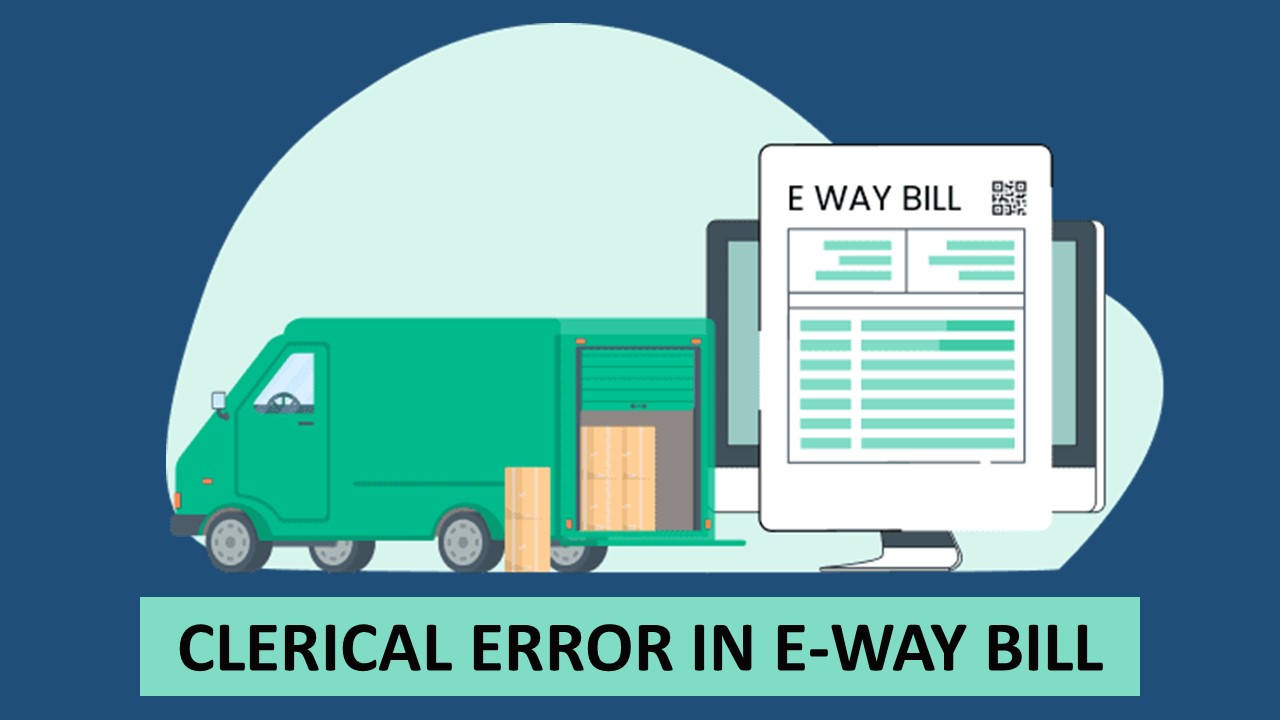
The Allahabad High Court ruled in favour of the company whose goods were seized due to a minor clerical error in the e-way bill.
High Court Ruling on E-Way Bill Clerical Error
 Nidhi
Nidhi Jul 23, 2025
HC Quashes GST Penalty for One-Digit E-Way Bill-Invoice mismatch; Holds No Tax Evasion Without Mens Rea
While transporting goods from one place to another, the transporters must have an e-way Bill, also known as Electronic Way bill, if the value of consignment exceeds a specified limit. It contains information such as details of the goods, the consignor, the recipient and the transporter, etc. The details between the e-way bill and invoice are verified by the tax authorities. Sometimes there are discrepancies between the details on the e-way bill and the e-invoice. But what if the discrepancy was caused due to a clerical mistake?
In a recent similar case, the Allahabad High Court has ruled in favour of the company whose goods were seized due to a minor clerical error in the e-way bill. The petitioner company, Gaylord Packers India Pvt. Ltd., manufactures polyester films. The company was transporting goods from Ghaziabad to Delhi, during which the goods were seized by tax authorities on 12.02.2019 due to a mismatch in the invoice number.
The invoice number mentioned on the tax invoice was 4671, which was different from the invoice number mentioned in the e-way bill (4670). As per the company, it was just a clerical error and there was no intention to evade tax. The company received two orders dated 22.02.2020 and 13.02.2019, due to the same. It challenged the order before the Allahabad High Court.
The high court observed the judgement passed in earlier cases, which held that "mens rea to evade tax is essential for imposition of penalty". Another ruling stated that "A typographical error in the e-way bill without any further material to substantiate the intention to evade tax should not and cannot lead to imposition of penalty".
Since this was a minor mistake of just one digit difference and the company did not have any intention to evade tax, as all other details were correct in the e-way Bill, the High Court quashed the orders. The High Court also directed that any amount deposited by the petitioner must be refunded with 4% interest from the date of deposit.
About Author


Nidhi
Content Writer
Nidhi is a skilled content writer specializing in personal finance. She creates clear, engaging articles on mutual funds, investments, insurance, and wealth-building strategies. With a passion for simplifying complex financial topics, Nidhi helps readers make informed money decisions with confidence. She can be reached at [email protected]
Nidhi is a skilled content writer specializing in personal finance. She creates clear, engaging articles on mutual funds, investments, insurance, and wealth-building strategies. With a passion for simplifying complex financial topics, Nidhi helps readers make informed money decisions with confidence. She can be reached at [email protected]
 Studycafe
 New Delhi, Delhi, India
 1832
1832My Recent Articles
- Karnataka High Court Gives Another Chance in GST Matter Due to Lack of Hearing
- Delay Should Be Condoned if Explanation is Unrefuted: ITAT
- Non-Service of Income Tax Notice, Ill health of taxpayer, ITAT condones Appeal filing delay
- Books of Accounts Cannot be Rejected Without Any Specific Defect: ITAT Kolkata
- Karnataka High Court Sends ITC Matter Back to GST Authorities for Reconsideration
Up Next
Loading suggestions…


Recent Posts


All Posts
Recent Posts
All Posts