HC Upholds GST Interest and Penalty Where Tax Paid Using Insufficient ITC Balance:
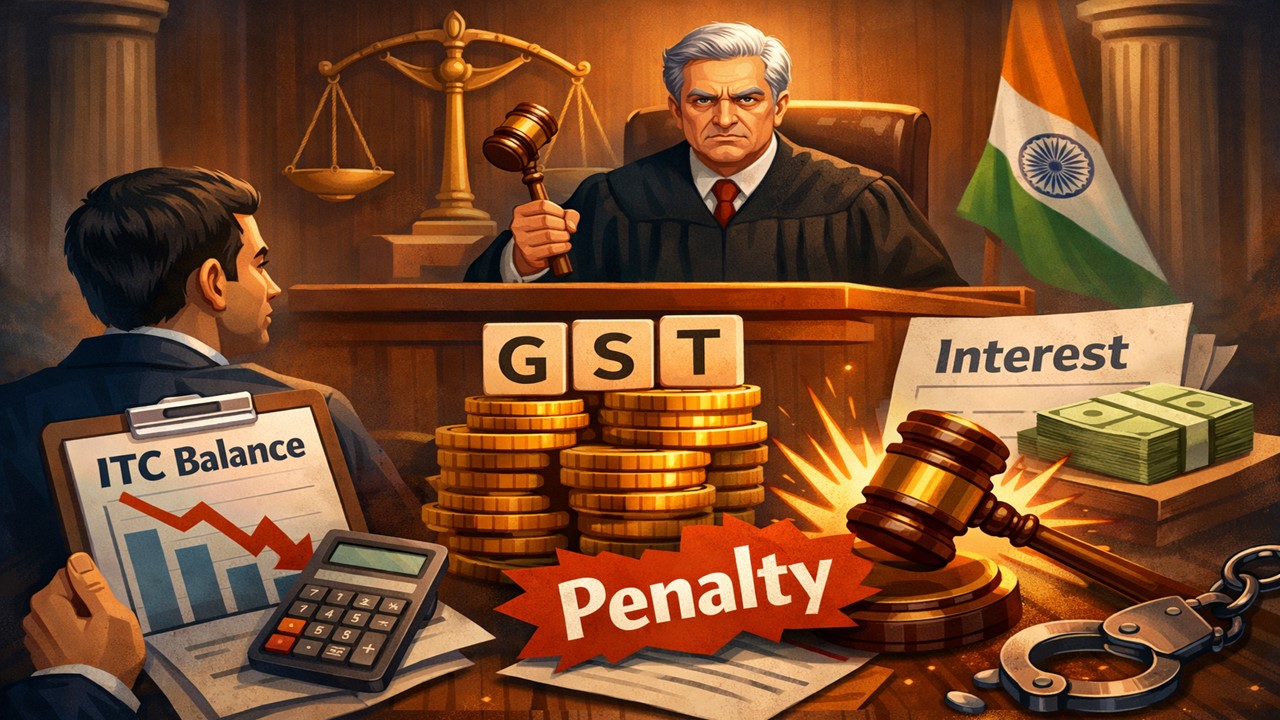
Court dismisses the writ after the assessee admitted liability but failed to opt for reduced penalty options under Section 74.
HC Refuses Relief Where GST Tax Admitted but ITC Balance Insufficient
 Meetu Kumari
 Feb 16, 2026
HC Upholds GST Interest and Penalty Where Tax Paid Using Insufficient ITC Balance
The petitioner, M/s. Geena Garments challenged an assessment order passed under Section 74 of the GST enactments for the tax period 2017-18. The proceedings were initiated through a show cause notice proposing recovery of Rs. 2,37,965 each under CGST and SGST towards alleged ineligible Input Tax Credit. The petitioner replied to the notice and later accepted the proposed tax demand.
On 18.10.2024, the petitioner discharged the admitted tax liability by debiting the Electronic Credit Ledger. Upon verification, the department found that during the relevant period, the credit ledger did not have sufficient balance from 22.05.2019 (CGST) and 03.06.2020 (SGST) to cover the liability. Thereafter, interest under Section 50(3) and penalty under Section 74 were confirmed. The total confirmed liability, including interest and penalty, aggregated to Rs. 8,95,348.
Main Issue: Whether interference under Article 226 was warranted against confirmation of interest and penalty under Section 74 when the assessee had admitted tax liability but failed to exercise statutory options for reduced penalty.
HC's Order: The Hon'ble High Court declined to interfere with the impugned assessment order. The Court noted that the petitioner had admitted the tax liability and made payment only towards tax but had not opted for any of the beneficial provisions available under Sections 74(5), 74(8), or 74(11) of the GST enactments, which permit payment of tax along with interest and reduced penalty at different stages of proceedings.
The Court observed that once the credit ledger was found insufficient for the relevant period, interest for delayed payment became automatic. In the absence of compliance with the statutory alternatives for reduced penalty, there was no justification to invoke writ jurisdiction to set aside the order. Thus, the writ petition was dismissed.
To Read Full Judgment, Download PDF Given Below
About Author


Meetu Kumari
Content Manager
Meetu Kumari is an Experienced Advocate and Content Writer with 4+ years of demonstrated history of working in the law practice industry. Skilled in Developing Content, Researching, and Drafting. Strong professional with a Bachelor of Science (B.Sc.) focused on Law from Gujarat National Law University.
Meetu Kumari is an Experienced Advocate and Content Writer with 4+ years of demonstrated history of working in the law practice industry. Skilled in Developing Content, Researching, and Drafting. Strong professional with a Bachelor of Science (B.Sc.) focused on Law from Gujarat National Law University.
 Studycafe
 Jodhpur, Rajasthan, India
 2264
2264My Recent Articles
- ITAT Condones 302-Day Delay, Restores Salary Assessment for Fresh VerificationPremium
- ITAT Condones Delay After Tax Consultant's Death, Restores Appeals for Fresh HearingPremium
- ITAT Remands Salary Addition, Says Taxability Depends on Salary Becoming Due, Not Mere ReceiptPremium
- ITAT Deletes TP Royalty Adjustment, Orders Fresh Review of Commission BenchmarkingPremium
- ITAT Quashes Reassessment Over Unsigned Section 148 Notice Issued to AssesseePremium
Up Next
Loading suggestions…


Recent Posts

All Posts

Recent Posts
All Posts