High Court Quashes Custom Adjudication Orders Due to Denial of Cross-Examination:
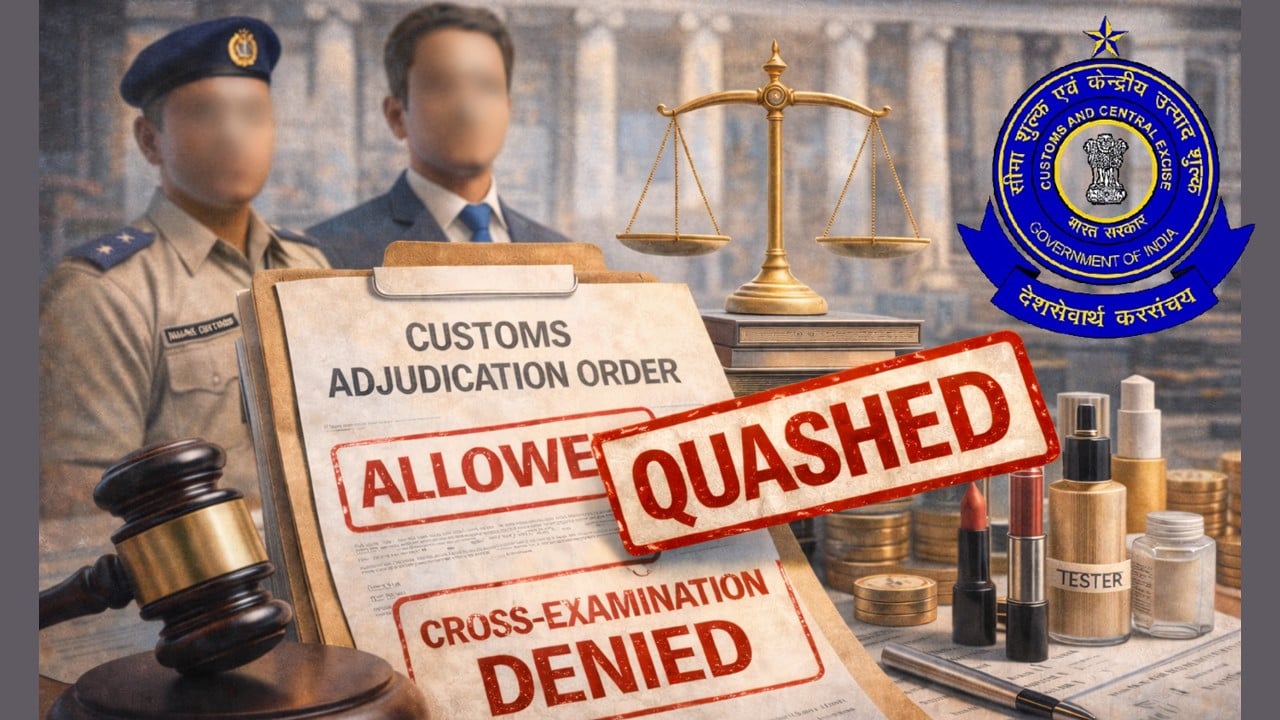
Violation of Natural Justice and Section 138B of Customs Act Vitiates Smuggling Case Proceedings
High Court: Cross-Examination Mandatory in Customs Adjudication Cases
 Meetu Kumari
 Mar 12, 2026
High Court Quashes Custom Adjudication Orders Due to Denial of Cross-Examination
The case arose from a gold smuggling investigation at Thiruvananthapuram International Airport, where several individuals, including Muhammed Ali Haji P.P., were proceeded against by the Customs Department of India. The adjudication relied largely on statements recorded under Section 108 of the Customs Act, 1962, including that of a Customs Inspector who was treated as a key witness. During the proceedings, the petitioners repeatedly asked for permission to cross-examine the witnesses whose statements were being used against them.
The Commissioner of Customs declined the request and passed Orders-in-Original imposing penalties and confiscation of goods. Challenging these orders, the petitioners approached the Kerala High Court, arguing that the refusal to allow cross-examination violated both the statutory procedure under Section 138B and the basic principles of natural justice.
Main Issue: Whether statements recorded during investigation can be relied upon in adjudication without allowing the affected party an opportunity to cross-examine the witnesses.
HC Held: The High Court set aside the adjudication orders and sent the matter back for fresh consideration. The Court explained that Section 138B lays down a clear procedure before statements recorded during investigation can be used as evidence. The adjudicating authority must first examine the witness and decide on the relevance of the earlier statement. Only then can the statement be relied upon, and the person facing the proceedings must be given the chance to cross-examine that witness.
The Court stressed that cross-examination is not merely a procedural formality; it is an essential safeguard that allows a party to test the reliability of the evidence being used against them. Since the Commissioner relied on witness statements without giving the petitioners this opportunity, the entire adjudication process stood vitiated. The impugned orders were therefore quashed and the matter was remanded for fresh proceedings in accordance with law. To Read Full Judgment, Download PDF Given Below
About Author


Meetu Kumari
Content Manager
Meetu Kumari is an Experienced Advocate and Content Writer with 4+ years of demonstrated history of working in the law practice industry. Skilled in Developing Content, Researching, and Drafting. Strong professional with a Bachelor of Science (B.Sc.) focused on Law from Gujarat National Law University.
Meetu Kumari is an Experienced Advocate and Content Writer with 4+ years of demonstrated history of working in the law practice industry. Skilled in Developing Content, Researching, and Drafting. Strong professional with a Bachelor of Science (B.Sc.) focused on Law from Gujarat National Law University.
 Studycafe
 Jodhpur, Rajasthan, India
 2264
2264My Recent Articles
- ITAT Condones 302-Day Delay, Restores Salary Assessment for Fresh VerificationPremium
- ITAT Condones Delay After Tax Consultant's Death, Restores Appeals for Fresh HearingPremium
- ITAT Remands Salary Addition, Says Taxability Depends on Salary Becoming Due, Not Mere ReceiptPremium
- ITAT Deletes TP Royalty Adjustment, Orders Fresh Review of Commission BenchmarkingPremium
- ITAT Quashes Reassessment Over Unsigned Section 148 Notice Issued to AssesseePremium
Up Next
Loading suggestions…


Recent Posts


All Posts



Recent Posts
All Posts