High Court Refuses Bail in Rs. 2 Crore GST Fraud Matter:
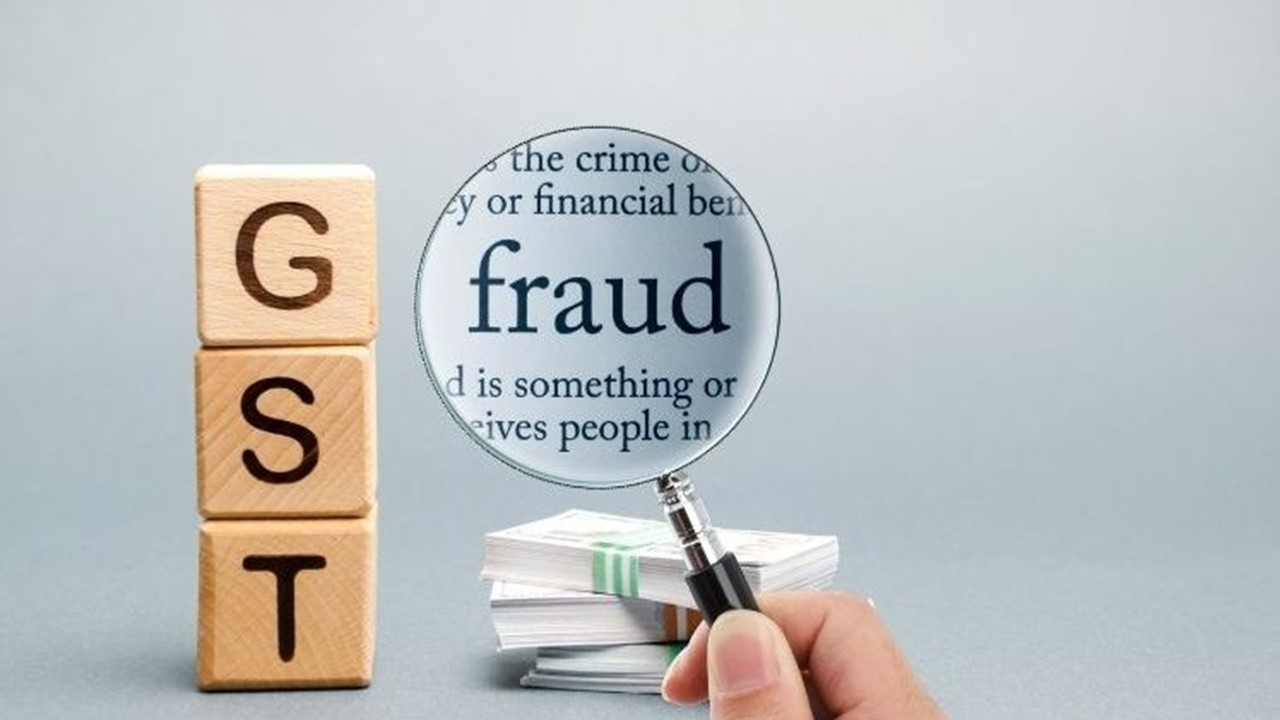
Court allows prosecution under BNS alongside GST law; finds active role in fake firms.
Parallel criminal prosecution valid; bogus firms and fake ITC claim defeat bail plea.
 Meetu Kumari
 Apr 30, 2026
High Court Refuses Bail in Rs. 2 Crore GST Fraud Matter
Ankit and Shiva Johri are accused of orchestrating a Rs. 2.01 crore GST scam by creating "paper companies" to fraudulently claim Input Tax Credit (ITC). While the brothers claimed to be providing simple freelance clerical services, the prosecution alleges they were the architects of a circular trading loop, using ghost entities like M/s Bharat Building Materials and M/s Lam Enterprises to generate bogus invoices for goods that were never actually moved.
The state’s case rests on a significant digital trail, as investigators discovered that several of these fictitious firms were operated using Johris' personal devices and private internet connections. By linking these "ghost firms" to the same IP addresses, authorities have moved to prove that the operation was a deliberate, coordinated fraud rather than accidental administrative assistance. This case underscores the increasing effectiveness of tax departments in using digital forensics to dismantle high-tech tax evasion schemes.
Issue Raised: Whether offences arising from GST fraud can be prosecuted under general criminal law (BNS/IPC) in addition to the CGST Act, and whether the accused were entitled to bail.
HC's Decision: The Allahabad High Court denied bail to Ankit and Shiva Johri, ruling that GST fraud involving forged identities and deliberate conspiracy constitutes a serious economic offence punishable under both the GST Act and the Bharatiya Nyaya Sanhita (BNS). The Court rejected the defence's claim that the GST Act is an exclusive legal code, asserting that the use of forged documents to create "ghost" entities demonstrates a level of criminal intent that transcends simple tax non-compliance.
Characterising the brothers as the "architects" of the scam rather than mere clerical workers, the judges highlighted their use of personal digital infrastructure to manage the fraud and the resulting significant loss to the public exchequer. This judgment clarifies that third-party service providers cannot avoid criminal liability if they are found to be active participants in high-tech tax evasion schemes.
To Read Full Judgment, Download PDF Given Below.
About Author


Meetu Kumari
Content Manager
Meetu Kumari is an Experienced Advocate and Content Writer with 4+ years of demonstrated history of working in the law practice industry. Skilled in Developing Content, Researching, and Drafting. Strong professional with a Bachelor of Science (B.Sc.) focused on Law from Gujarat National Law University.
Meetu Kumari is an Experienced Advocate and Content Writer with 4+ years of demonstrated history of working in the law practice industry. Skilled in Developing Content, Researching, and Drafting. Strong professional with a Bachelor of Science (B.Sc.) focused on Law from Gujarat National Law University.
 Studycafe
 Jodhpur, Rajasthan, India
 2264
2264My Recent Articles
- ITAT Condones 302-Day Delay, Restores Salary Assessment for Fresh VerificationPremium
- ITAT Condones Delay After Tax Consultant's Death, Restores Appeals for Fresh HearingPremium
- ITAT Remands Salary Addition, Says Taxability Depends on Salary Becoming Due, Not Mere ReceiptPremium
- ITAT Deletes TP Royalty Adjustment, Orders Fresh Review of Commission BenchmarkingPremium
- ITAT Quashes Reassessment Over Unsigned Section 148 Notice Issued to AssesseePremium
Up Next
Loading suggestions…


Recent Posts


All Posts


Recent Posts
All Posts