High Court Rejects Importer's Plea to Halt Cargo Arrival and Manifest Filing:
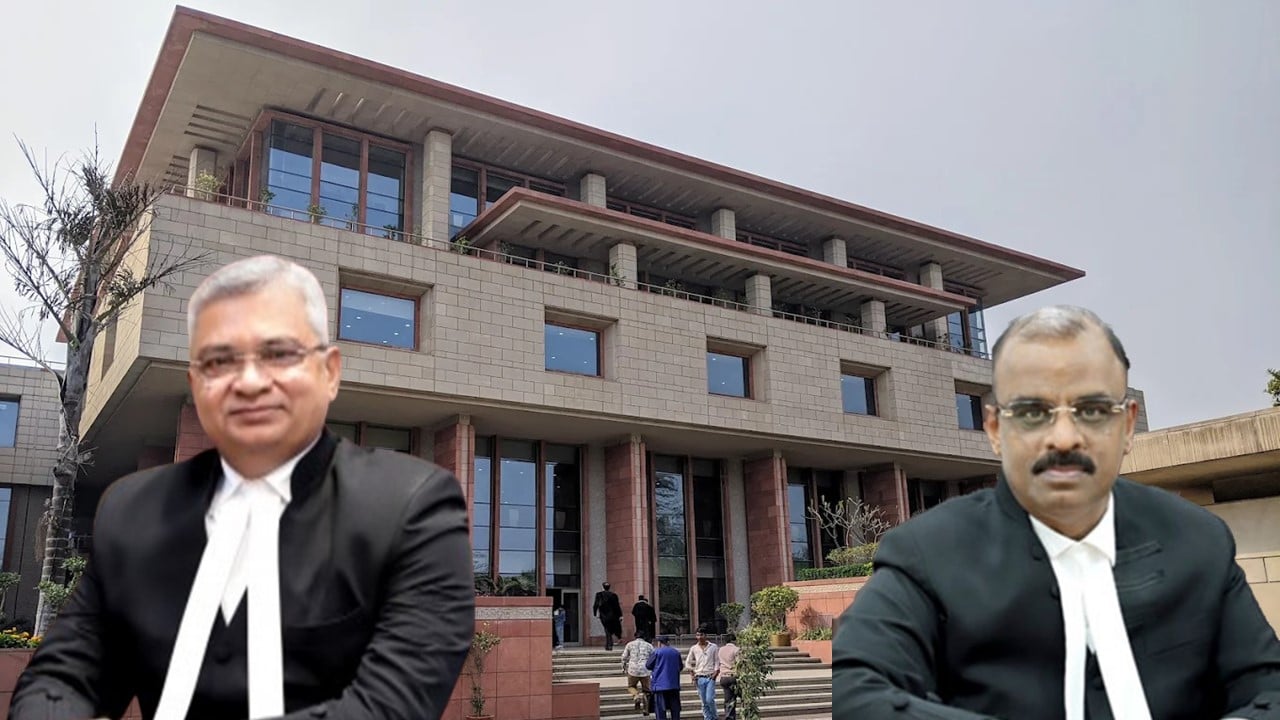
HC: Extraordinary Jurisdiction Cannot Be Used to Bypass Mandatory Customs Procedures
High Court Refuses to Halt Alleged “Unauthorized Return Shipment”
 Meetu Kumari
 Feb 28, 2026
High Court Rejects Importer's Plea to Halt Cargo Arrival and Manifest Filing
The petitioner, Maheshwar Flooring Industries Limited, entered into a contract with a Singapore-based party for the supply of goods. After a dispute with the supplier, the petitioner sought to prevent the arrival of the cargo and the filing of the Import General Manifest (IGM) by the shipping line.
The petitioner argued that the goods were being sent without their consent and that the arrival of the vessel would start unnecessary legal and financial liabilities under the Customs Act. Thereby, they filed a writ petition seeking a direction to the Union of India and the Commissioner of Customs to restrain the vessel's entry and the filing of the IGM.
Issue Before Court: Whether a High Court can exercise its extraordinary jurisdiction under Article 226 to prevent a vessel from entering Indian territory or to restrain the filing of mandatory statutory documents.
HC Ruled: The Hon'ble High Court dismissed the petition, holding it to be "misconceived". The Court observed that Sections 30 and 31 of the Customs Act, 1962, mandate the person in charge of a vessel to deliver an import manifest upon arrival. Giving the petitioner’s request would force the authorities to violate these statutory provisions.
The Court further clarified that once cargo arrives, the resulrs under the Customs Act must follow, and Section 48 provides a specific procedure for goods that are not cleared or warehoused within thirty days. The Bench concluded that any grievance the petitioner has against the Singaporean supplier must be settled through appropriate legal remedies for breach of contract, rather than by obstructing customs procedures.
To Read Full Judgment, Download PDF Given Below
About Author


Meetu Kumari
Content Manager
Meetu Kumari is an Experienced Advocate and Content Writer with 4+ years of demonstrated history of working in the law practice industry. Skilled in Developing Content, Researching, and Drafting. Strong professional with a Bachelor of Science (B.Sc.) focused on Law from Gujarat National Law University.
Meetu Kumari is an Experienced Advocate and Content Writer with 4+ years of demonstrated history of working in the law practice industry. Skilled in Developing Content, Researching, and Drafting. Strong professional with a Bachelor of Science (B.Sc.) focused on Law from Gujarat National Law University.
 Studycafe
 Jodhpur, Rajasthan, India
 2264
2264My Recent Articles
- ITAT Condones 302-Day Delay, Restores Salary Assessment for Fresh VerificationPremium
- ITAT Condones Delay After Tax Consultant's Death, Restores Appeals for Fresh HearingPremium
- ITAT Remands Salary Addition, Says Taxability Depends on Salary Becoming Due, Not Mere ReceiptPremium
- ITAT Deletes TP Royalty Adjustment, Orders Fresh Review of Commission BenchmarkingPremium
- ITAT Quashes Reassessment Over Unsigned Section 148 Notice Issued to AssesseePremium
Up Next
Loading suggestions…


Recent Posts


All Posts


Recent Posts
All Posts