High Court Rejects Writ Against IT Dept.; Search on Lockers Worth Rs. 4.6 Cr Upheld:
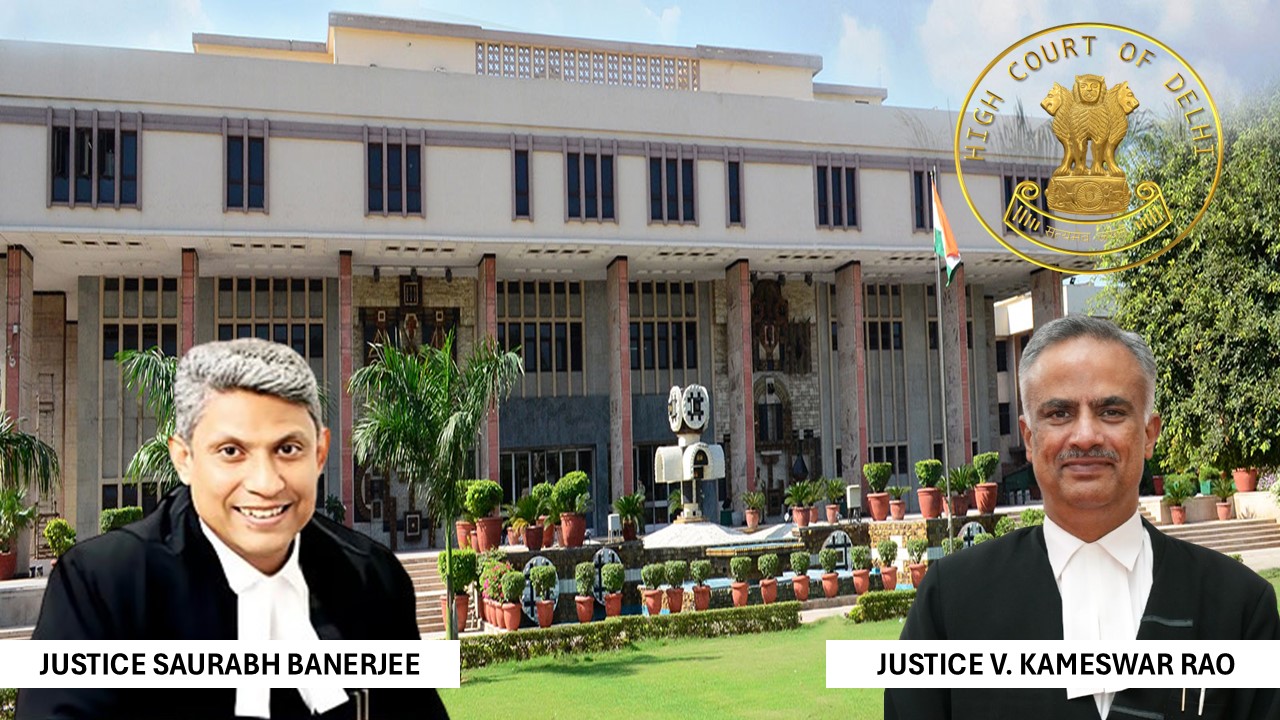
Court finds valid “reasons to believe” under Section 132 of the Income Tax Act; rejects challenge to search and seizure of jewellery and bullion.
Delhi HC upholds Income Tax search on lockers; writ petition dismissed
 Meetu Kumari
 Oct 2, 2025
High Court Rejects Writ Against IT Dept.; Search on Lockers Worth Rs. 4.6 Cr Upheld
The petitioners filed a writ petition challenging the search and seizure carried out on May 11, 2024, under Section 132 of the Income Tax Act, 1961. The searches were conducted on Locker Nos. 179, 163, and 175 at South Delhi Vaults, Greater Kailash-II, New Delhi, leading to the recovery of gold bullion, jewellery, diamonds, cash, and other valuables worth nearly Rs. 4.6 crore.
The petitioners argued that the seized valuables were disclosed assets, ancestral property, or belonged to family members, including a minor daughter. They contended that the CBDT Instruction No. 1916 (1994) exempted specified quantities of jewellery from seizure and that the searches were conducted without valid “reasons to believe,” amounting to a fishing and roving inquiry.
The Revenue defended the searches, stating that proper authorisation was obtained, summons were issued, and the petitioners failed to provide supporting bills or documents for the assets. It was further contended that lockers were being used in a benami manner inconsistent with the petitioners’ financial profiles.
Main Issue: Whether the search and seizure conducted under Section 132 on the petitioners’ lockers were invalid for want of proper “reasons to believe” and non-compliance with CBDT instructions.
HC's Decision: The Court examined the satisfaction note and official records and found that the authorising officer had sufficient material to form a bona fide belief that the petitioners possessed undisclosed income and assets. It held that the three clauses of Section 132(1) are mutually exclusive, and satisfaction of any one suffices for authorising a search.
The Bench clarified that the sufficiency of information for forming “reasons to believe” cannot be examined in writ jurisdiction. It rejected the plea that compliance with CBDT Instruction No. 1916 absolved the petitioners from explaining the source of seized bullion and jewellery. Relying on precedents like Seth Brothers, Laljibhai Mandalia, and Spacewood Furnishers, the Court held that the searches were neither mala fide nor arbitrary.
Thus, the writ petition was dismissed, and the search and seizure were upheld as lawful.
To Read Full Judgment, Download PDF Given Below
About Author


Meetu Kumari
Content Manager
Meetu Kumari is an Experienced Advocate and Content Writer with 4+ years of demonstrated history of working in the law practice industry. Skilled in Developing Content, Researching, and Drafting. Strong professional with a Bachelor of Science (B.Sc.) focused on Law from Gujarat National Law University.
Meetu Kumari is an Experienced Advocate and Content Writer with 4+ years of demonstrated history of working in the law practice industry. Skilled in Developing Content, Researching, and Drafting. Strong professional with a Bachelor of Science (B.Sc.) focused on Law from Gujarat National Law University.
 Studycafe
 Jodhpur, Rajasthan, India
 2264
2264My Recent Articles
- ITAT Condones 302-Day Delay, Restores Salary Assessment for Fresh VerificationPremium
- ITAT Condones Delay After Tax Consultant's Death, Restores Appeals for Fresh HearingPremium
- ITAT Remands Salary Addition, Says Taxability Depends on Salary Becoming Due, Not Mere ReceiptPremium
- ITAT Deletes TP Royalty Adjustment, Orders Fresh Review of Commission BenchmarkingPremium
- ITAT Quashes Reassessment Over Unsigned Section 148 Notice Issued to AssesseePremium
Up Next
Loading suggestions…


Recent Posts


All Posts


Recent Posts
All Posts