ITAT: CPC Cannot Disallow Employees’ PF/ESI Contributions Under Section 143(1):
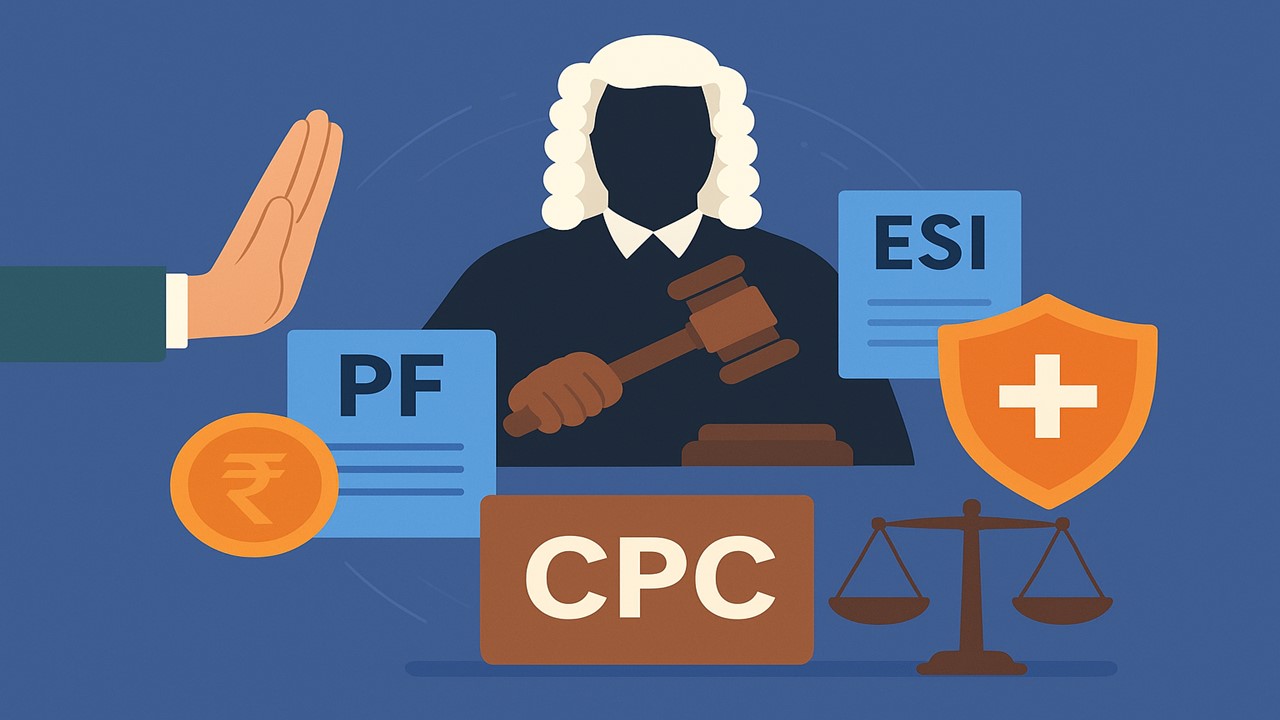
Tribunal condones 102-day delay; holds amended Explanations to Sections 36(1)(va) and 43B apply prospectively and directs deletion of CPC adjustments
IITAT Deletes PF/ESI Disallowance Made by CPC Under Section 143(1)
 Meetu Kumari
 Dec 11, 2025
ITAT: CPC Cannot Disallow Employees’ PF/ESI Contributions Under Section 143(1)
Shri Chandrakant Shamappa Kontha filed appeals for AYs 2019-20 and 2020-21 against CPC adjustments that added back employees’ PF and ESI contributions deposited beyond statutory due dates, based on figures reported in Form 3CD. The NFAC had partly upheld the CPC’s action by relying on Checkmate Services (SC) and directed the Assessing Officer to verify dates of salary payment while computing the final disallowance.
Acting on the Chartered Accountant’s advice that the CIT(A) had remanded the matter, the assessee did not appeal at first. However, when the AO maintained the full disallowance in the effect order, he approached new counsel and filed appeals with a delay of 102 days.
Issue Raised: Whether CPC was empowered to make adjustments under Section 143(1)(a) for disallowing employees’ PF/ESI contributions paid after the statutory due dates, when the law was unsettled at the time, and the 2021 amendments were expressly prospective.
ITAT Decided: The Tribunal first condoned the 102-day delay, accepting that the assessee acted under a bona fide misconception created by the initial advice of his Chartered Accountant, who believed the CIT(A) had already granted relief by remanding the matter. The Bench held that the explanation for delay constituted sufficient cause and did not indicate negligence or mala fides.
The ITAT ruled that CPC could not have invoked Section 143(1)(a) to disallow employees’ contributions for these years. The Bench noted that Checkmate Services (SC) was delivered only on 12.10.2022, whereas CPC intimations preceded this judgment. The High Court decided the issue in favour of taxpayers. The Tribunal emphasized that the 2021 amendments were explicitly prospective from AY 2021-22, as confirmed by the Finance Bill Memorandum and supported by rulings in PCIT v. TV Today Network Ltd and Sanjay Kumar Sharma. ITAT held that CPC adjustments for AYs 2019-20 and 2020-21 were invalid and directed their deletion.
To Read Full Judgment, Download PDF Given Below
About Author


Meetu Kumari
Content Manager
Meetu Kumari is an Experienced Advocate and Content Writer with 4+ years of demonstrated history of working in the law practice industry. Skilled in Developing Content, Researching, and Drafting. Strong professional with a Bachelor of Science (B.Sc.) focused on Law from Gujarat National Law University.
Meetu Kumari is an Experienced Advocate and Content Writer with 4+ years of demonstrated history of working in the law practice industry. Skilled in Developing Content, Researching, and Drafting. Strong professional with a Bachelor of Science (B.Sc.) focused on Law from Gujarat National Law University.
 Studycafe
 Jodhpur, Rajasthan, India
 2264
2264My Recent Articles
- ITAT Condones 302-Day Delay, Restores Salary Assessment for Fresh VerificationPremium
- ITAT Condones Delay After Tax Consultant's Death, Restores Appeals for Fresh HearingPremium
- ITAT Remands Salary Addition, Says Taxability Depends on Salary Becoming Due, Not Mere ReceiptPremium
- ITAT Deletes TP Royalty Adjustment, Orders Fresh Review of Commission BenchmarkingPremium
- ITAT Quashes Reassessment Over Unsigned Section 148 Notice Issued to AssesseePremium
Up Next
Loading suggestions…


Recent Posts


All Posts


Recent Posts
All Posts