ITAT Cuts Bogus Purchase Addition to 2%: Full Disallowance Rejected in Chemical Trading Case:
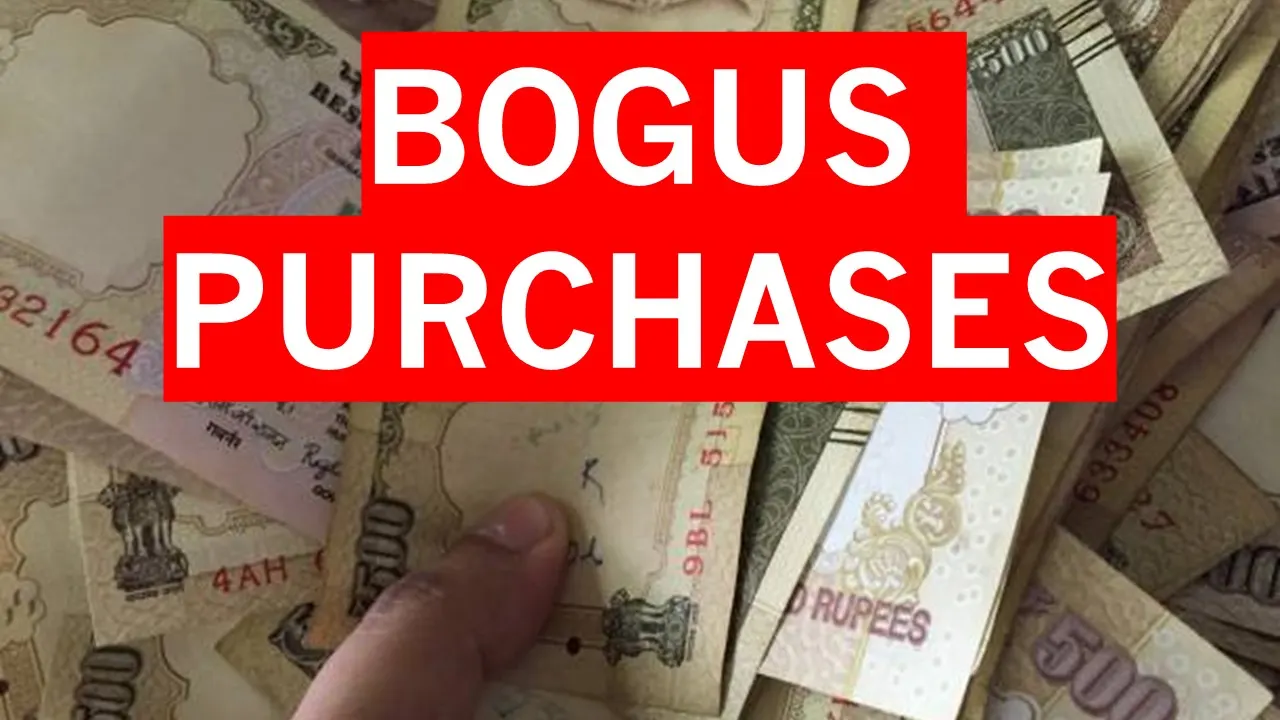
Tribunal holds that when sales are accepted and books are not rejected, only profit element can be added, 115BBE also struck down as inapplicable
Tribunal Restricts Bogus Purchase Addition to 2%, Rejects 115BBE in Chemical Trading Case
 Meetu Kumari
 Dec 1, 2025
ITAT Cuts Bogus Purchase Addition to 2%: Full Disallowance Rejected in Chemical Trading Case
Jitendra Rajkumar Agarwal, proprietor of Shri Shiv Shakti Enterprise, is engaged in wholesale trading of chemicals. His assessment for AY 2018-19 was reopened after the Insight Portal information alleged bogus purchases of Rs. 1.75 crore from S.K. Enterprises. The AO treated the entire purchase as unverifiable and added the whole amount under Section 69C, due to lack of weighbridge slips, challans, PAN details of transporters and incomplete addresses. The AO treated the purchases as accommodation entries as no actual movement of goods happened, taxed the addition under Section 115BBE, and completed reassessment under Section 147 r.w.s. 144B.
Appeal before CIT(A): The CIT(A), however, confirmed the entire disallowance.
Issue Raised: Whether the entire purchase of Rs. 1.75 crore could be treated as unexplained expense under Section 69C and taxed under Section 115BBE, or whether only the embedded profit should be added when books are audited, sales are accepted, and no rejection under Section 145 is made.
Tribunal Held: The Tribunal observed that while the absence of transport evidence and incomplete verification raised doubts regarding the genuineness of purchases from S.K. Enterprises, the fact remained that corresponding sales were accepted, payments were made through banking channels, and books of account were not rejected. In such a situation, only the profit component in disputed purchases can be brought to tax, not the entire purchase figure. The assessee's declared gross profit was 1.57%, and during the hearing, the assessee voluntarily agreed to sustain a 2% disallowance. With no objection from the Revenue, the Tribunal held that restricting the addition to 2% of Rs. 1,75,16,480 would meet the ends of justice.
The Tribunal held that once the addition is confined to estimated profit element, it ceases to fall within the deeming fiction of Section 69C. It held that Section 69C itself did not apply, and therefore Section 115BBE could not be invoked. Therefore, the Tribunal directed the AO to tax the sustained addition at normal rates. The appeal was thus partly allowed.
To Read Full Judgment, Download PDF Given Below
About Author


Meetu Kumari
Content Manager
Meetu Kumari is an Experienced Advocate and Content Writer with 4+ years of demonstrated history of working in the law practice industry. Skilled in Developing Content, Researching, and Drafting. Strong professional with a Bachelor of Science (B.Sc.) focused on Law from Gujarat National Law University.
Meetu Kumari is an Experienced Advocate and Content Writer with 4+ years of demonstrated history of working in the law practice industry. Skilled in Developing Content, Researching, and Drafting. Strong professional with a Bachelor of Science (B.Sc.) focused on Law from Gujarat National Law University.
 Studycafe
 Jodhpur, Rajasthan, India
 2264
2264My Recent Articles
- ITAT Condones 302-Day Delay, Restores Salary Assessment for Fresh VerificationPremium
- ITAT Condones Delay After Tax Consultant's Death, Restores Appeals for Fresh HearingPremium
- ITAT Remands Salary Addition, Says Taxability Depends on Salary Becoming Due, Not Mere ReceiptPremium
- ITAT Deletes TP Royalty Adjustment, Orders Fresh Review of Commission BenchmarkingPremium
- ITAT Quashes Reassessment Over Unsigned Section 148 Notice Issued to AssesseePremium
Up Next
Loading suggestions…


Recent Posts
All Posts
Recent Posts
All Posts