ITAT Delhi Quashes Rs 1.2 Crore Addition Due to Delayed Tax Notice and Lack of Jurisdiction:
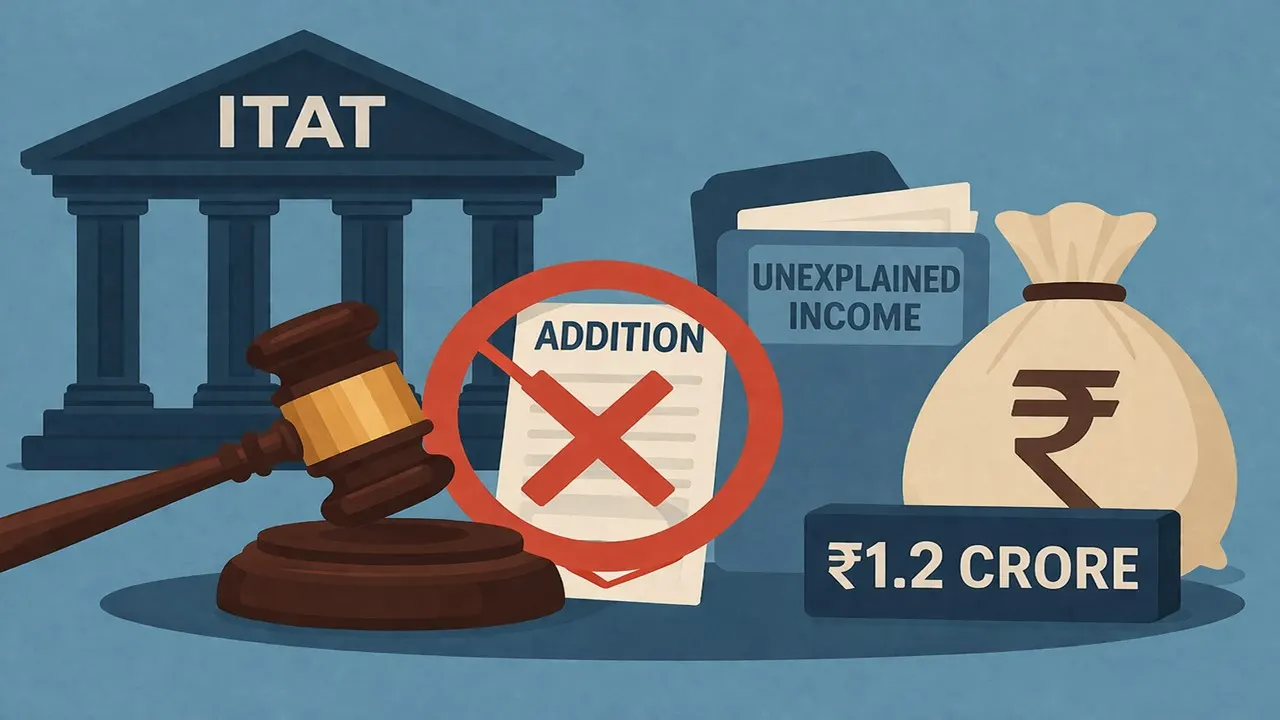
The Tribunal found that the notice under Section 143(2) was issued after the prescribed time limit and also by an assessing officer who did not have jurisdiction over the assessee.
ITAT Quashes Rs 1.2 Crore Addition Towards Unexplained Income
 Nidhi
Nidhi Apr 3, 2026
Premium
ITAT Delhi Quashes Rs 1.2 Crore Addition Due to Delayed Tax Notice and Lack of Jurisdiction
The Tribunal found that the notice under Section 143(2) was issued after the prescribed time limit and also by an assessing officer who did not have jurisdiction over the assessee.
Also Read
ITAT Upholds Rs 2.76 Lakh Addition, Holds Stock Exchange and Banking Records Alone Cannot Prove Genuine LTCGITAT Deletes Rs 1.80 Crore Addition, Holds Asset Revaluation Does Not Mean Fresh InvestmentITAT Denies Rs 1.90 Lakh Section 80GGC Deduction Over Donation to Apna Desh Party, Relies on Supreme Court JudgementITAT Deletes Rs 10.76 Lakh Expense Disallowance, Remands Rs 17.66 Lakh Cash Payment Issue
About Author


Nidhi
Content Writer
Nidhi is a skilled content writer specializing in personal finance. She creates clear, engaging articles on mutual funds, investments, insurance, and wealth-building strategies. With a passion for simplifying complex financial topics, Nidhi helps readers make informed money decisions with confidence. She can be reached at [email protected]
Nidhi is a skilled content writer specializing in personal finance. She creates clear, engaging articles on mutual funds, investments, insurance, and wealth-building strategies. With a passion for simplifying complex financial topics, Nidhi helps readers make informed money decisions with confidence. She can be reached at [email protected]
 Studycafe
 New Delhi, Delhi, India
 1832
1832My Recent Articles
- Karnataka High Court Gives Another Chance in GST Matter Due to Lack of Hearing
- Delay Should Be Condoned if Explanation is Unrefuted: ITAT
- Non-Service of Income Tax Notice, Ill health of taxpayer, ITAT condones Appeal filing delay
- Books of Accounts Cannot be Rejected Without Any Specific Defect: ITAT Kolkata
- Karnataka High Court Sends ITC Matter Back to GST Authorities for Reconsideration
Up Next
Loading suggestions…


Recent Posts
All Posts

Tags
Recent Posts
All Posts