Salary of 2 Lakh and Foreign Visit Expense of 5 Lakh: Do I need to File ITR?:
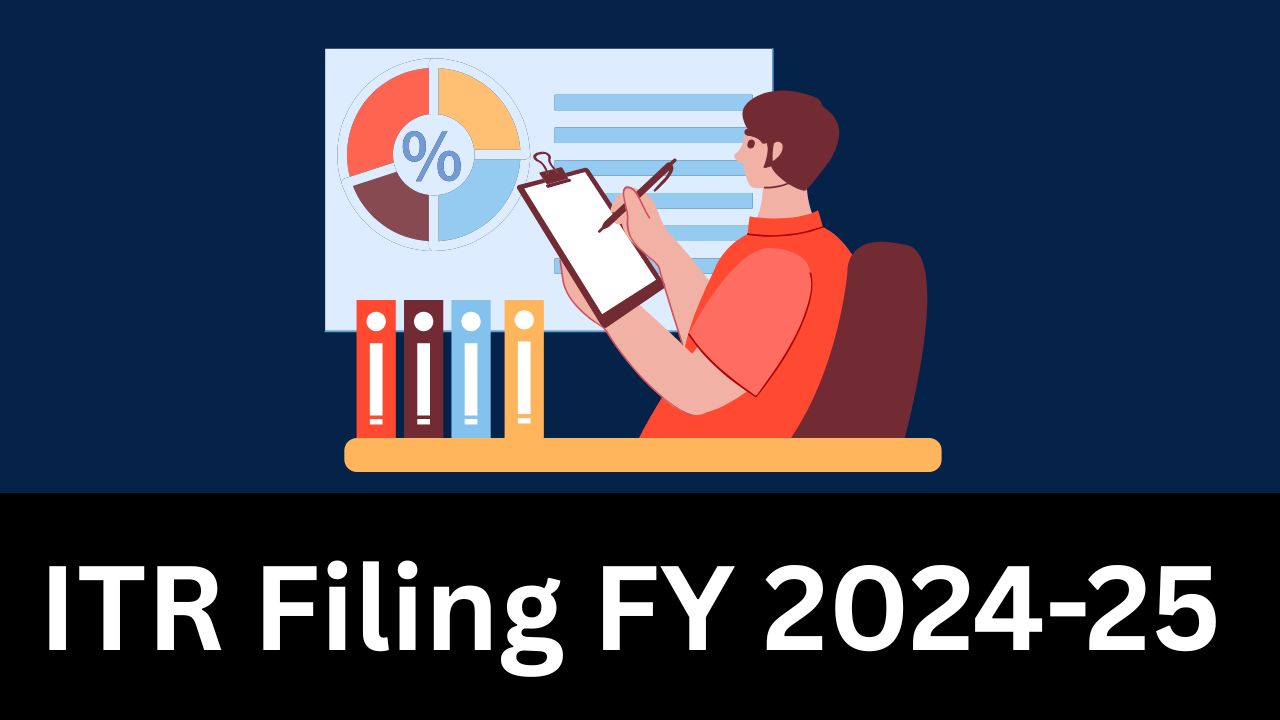
Know when ITR filing is mandatory even with low income in FY 2024-25. Learn rules, exceptions, and why filing ITR can still benefit you.
When ITR Is Required
 Anisha Kumari
 Jun 3, 2025
Table of Contents

Salary of 2 Lakh and Foreign Visit Expense of 5 Lakh: Do I need to File ITR?
Many people have this question on their mind whether they are required to file an Income Tax Return (ITR) or not if their income is low. According to Indian tax laws, filing ITR is only compulsory when a person's taxable income is more than the basic exemption limit. But there are certain situations where filing ITR becomes necessary, even if the income is below the limit.
Minimum Income Limit for ITR Filing
The minimum income limit for filing ITR depends on the tax system you choose: Under the old tax regime for the FY 2025-26, the basic exemption limit for filing ITR depends on the individual's age. For those who are below 60 years, their limit is Rs. 2.5 lakh. For senior citizens aged between 60 and 80 years, the limit is Rs. 3 and for super senior citizens above 80 years of age, the exemption limit is Rs. 5 lakhs. For the new tax regime for the same FY, the basic exemption limit is Rs. 3 lakhs for all age groups. After the changes announced in the Union Budget 2025, this limit has been increased to Rs. 4 lakhs under the new tax regime. So, if someone's taxable income is below the basic exemption limit, filing ITR is generally not required. However, certain financial activities make it mandatory to file ITR, even if the income is less.When ITR Filing Is Compulsory (Even Below Income Limit)
1. Deposits of Over Rs. 50 lakhs in Savings Account: If a person has deposited Rs. 50 lakh or more in one or more during the previous financial year in their savings bank accounts, it becomes compulsory for ITR filing. 2. Deposits of Over Rs. 1 Crore in Current Account: In case deposits of Rs. 1 crore or more have been made in one or more current accounts, then ITR must be filed. It is not applicable to regular business transactions. 3. Annual Sales or Turnover Over Rs. 60 Lakh: ITR filing is mandatory if the total sales or turnover during the year is more than Rs. 60 lakhs. 4. Professional Income Above Rs. 10 Lakh: Professionals who are earning more than Rs. 10 lakhs in a year are also needed to file ITR. 5. Electricity Bill Exceeding Rs. 1 Lakh: If electricity payments are made during the year are more than Rs. 1 lakh in total or in a single bill, then also ITR is required to be filed. 6. TDS or TCS Deducted Over Rs. 25,000: If the total Tax Deducted at Source (TDS) or Tax Collected at Source (TCS) is Rs. 25,000 or more than that in a year, then filing ITR is necessary. The limit is Rs. 50,000 for senior citizens. 7. Anyone who owns foreign assets, is a beneficiary of such assets or have signing authority in any foreign bank account must file ITR. 8. Foreign Travel Expenses Above Rs. 2 Lakh: If someone spends more than Rs. 2 lakhs on foreign travel, whether for self or someone else, during the FY ITR filing becomes mandatory.Why Filing ITR Is Still Beneficial?
Filing ITR is helpful even if your income is below the limit. It can help you get a refund if extra tax was deducted from your income. ITR also acts as proof of income when you're applying for a loan, visa, or credit card. It shows that you're a responsible taxpayer. So, filing ITR is beneficial and useful step, not just a legal rule.About Author


Anisha Kumari
Content Writer
Anisha is a finance content writer at StudyCafe, writing on domains like mutual funds, stock market trends, GST, income tax, and SIPs. With a knack for breaking down complex financial topics, Anisha delivers clear and insightful articles that keep readers informed and empowered. She can be reached at [email protected].
Anisha is a finance content writer at StudyCafe, writing on domains like mutual funds, stock market trends, GST, income tax, and SIPs. With a knack for breaking down complex financial topics, Anisha delivers clear and insightful articles that keep readers informed and empowered. She can be reached at [email protected].
 Studycafe
  Bokaro, Jharkhand, India
 321
321My Recent Articles
- AI Tools Catch Rs. 68 Lakh Capital Gains Tax Fraud in Hyderabad
- Bank of Baroda Chief Manager’s Suicide Raises Concerns Over Work Pressure
- CA in Trouble: ED Seizes Rs. 6.8 Cr Assets in ERDC Trust Fraud Case
- Gujarat Ambuja Exports Receives GST Demand Order of Rs. 33 Lakh
- GST AAR: Exchange of Silverscrap for finished ornaments Supply
Up Next
Loading suggestions…


Recent Posts
All Posts


Tags
No tags yet.
Recent Posts
All Posts
Tags
No tags yet.