SC Acquits Surendra Koli in Nithari Case; Invokes Curative Jurisdiction to Correct “Manifest Miscarriage of Justice”:
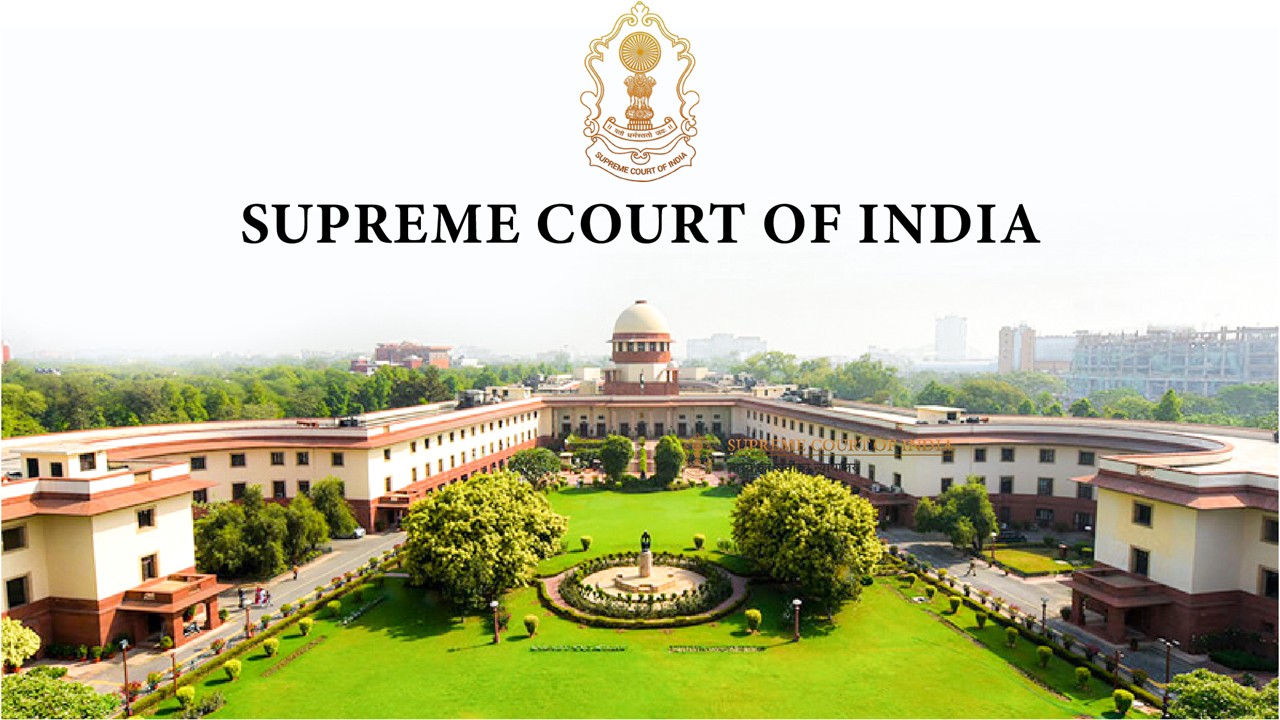
Top Court Allows Curative Petition: Rejects Confession and Recovery Evidence, Highlighting Irreconcilable Judgments on Same Evidentiary Foundation
SC Acquits Surendra Koli in Nithari Case, Rules Conviction on Flawed Evidence Unconstitutional
 Meetu Kumari
 Nov 13, 2025
SC Acquits Surendra Koli in Nithari Case; Invokes Curative Jurisdiction to Correct “Manifest Miscarriage of Justice”
Surendra Koli, the petitioner, was employed as a domestic help at Sector 31, Noida, and was the central accused in the horrific chain of events known as the Nithari Case. He was convicted and sentenced to death in the Rimpa Haldar case by the Trial Court on 13.02.2009, a sentence later affirmed by the Supreme Court on 15.02.2011, though later on commuted to life imprisonment by the High Court on 28.01.2015. This conviction was primarily based on his alleged confession recorded under Section 164 CrPC and the recoveries said to have been made at his instance under Section 27 of the Evidence Act.
In twelve companion prosecutions arising from the same set of events and relying on the identical evidentiary foundation, the petitioner was acquitted by the High Court on 16.10.2023. These acquittals attained finality when the Supreme Court dismissed the State's appeals on 30.07.2025. Faced with this fundamental contradiction, two sets of final judicial outcomes resting on the same evidentiary substratum, the petitioner approached the Hon'ble Supreme Court by way of a Curative Petition, saying that a grave miscarriage of justice has occurred.
Core Issue: Whether the conviction of the petitioner, Surendra Koli, in the Rimpa Haldar case, based on the Section 164 CrPC confession and Section 27 Evidence Act recoveries, was later said to be legally unreliable and rejected by the SC itself in twelve companion cases, constitutes a manifest miscarriage of justice requiring the exceptional exercise of the Curative Jurisdiction.
SC's Decision: The Supreme Court, exercising its limited yet inherent curative jurisdiction, allowed the petition, holding that to permit a conviction to stand on an evidentiary basis since rejected by the Court in the same fact matrix fundamentally offends Article 21, as it violates fair procedure and also infringes Article 14 of the Constitution. The Court found the common evidentiary pillars of the prosecution's case, the confession and the discovery evidence, to be structurally infirm and legally unsound. The Section 164 CrPC confessional statement was ruled inadmissible as a matter of law because it was recorded after about sixty days of uninterrupted police custody without proper legal aid, the recording process was compromised by the Investigating Officer's proximity, and the statement itself repeatedly referenced tutoring and coercion, thereby attracting the bar under Section 24 of the Evidence Act. Regarding the Section 27 Evidence Act recoveries, the Court determined they were unreliable as no contemporaneous disclosure memo was proved, the evidence showed prior public and police knowledge of body parts at the recovery site, and excavation had begun before the petitioner arrived, which negated the essential element of discovery by the accused.
The bench emphasised that the legal conclusion on the evidence cannot change from case to case when the premise is identical. Once these keystones were removed, the circumstantial chain essential for conviction no longer held. Therefore, the Court recalled and set aside the prior judgment of conviction dated Feb 15, 2011 and the dismissal of review dated Oct 28th, 2014. The petitioner was acquitted of all charges under Sections 302, 364, 376, and 201 of the Indian Penal Code and was ordered to be released forthwith if not required in any other case.
To Read Full Judgment, Download PDF Given Below
About Author


Meetu Kumari
Content Manager
Meetu Kumari is an Experienced Advocate and Content Writer with 4+ years of demonstrated history of working in the law practice industry. Skilled in Developing Content, Researching, and Drafting. Strong professional with a Bachelor of Science (B.Sc.) focused on Law from Gujarat National Law University.
Meetu Kumari is an Experienced Advocate and Content Writer with 4+ years of demonstrated history of working in the law practice industry. Skilled in Developing Content, Researching, and Drafting. Strong professional with a Bachelor of Science (B.Sc.) focused on Law from Gujarat National Law University.
 Studycafe
 Jodhpur, Rajasthan, India
 2264
2264My Recent Articles
- ITAT Condones 302-Day Delay, Restores Salary Assessment for Fresh VerificationPremium
- ITAT Condones Delay After Tax Consultant's Death, Restores Appeals for Fresh HearingPremium
- ITAT Remands Salary Addition, Says Taxability Depends on Salary Becoming Due, Not Mere ReceiptPremium
- ITAT Deletes TP Royalty Adjustment, Orders Fresh Review of Commission BenchmarkingPremium
- ITAT Quashes Reassessment Over Unsigned Section 148 Notice Issued to AssesseePremium
Up Next
Loading suggestions…


Recent Posts


All Posts



Recent Posts
All Posts