SC Restores Criminal Trial Over Fake Caste Certificate Election Fraud to Face Full Judicial Scrutiny:
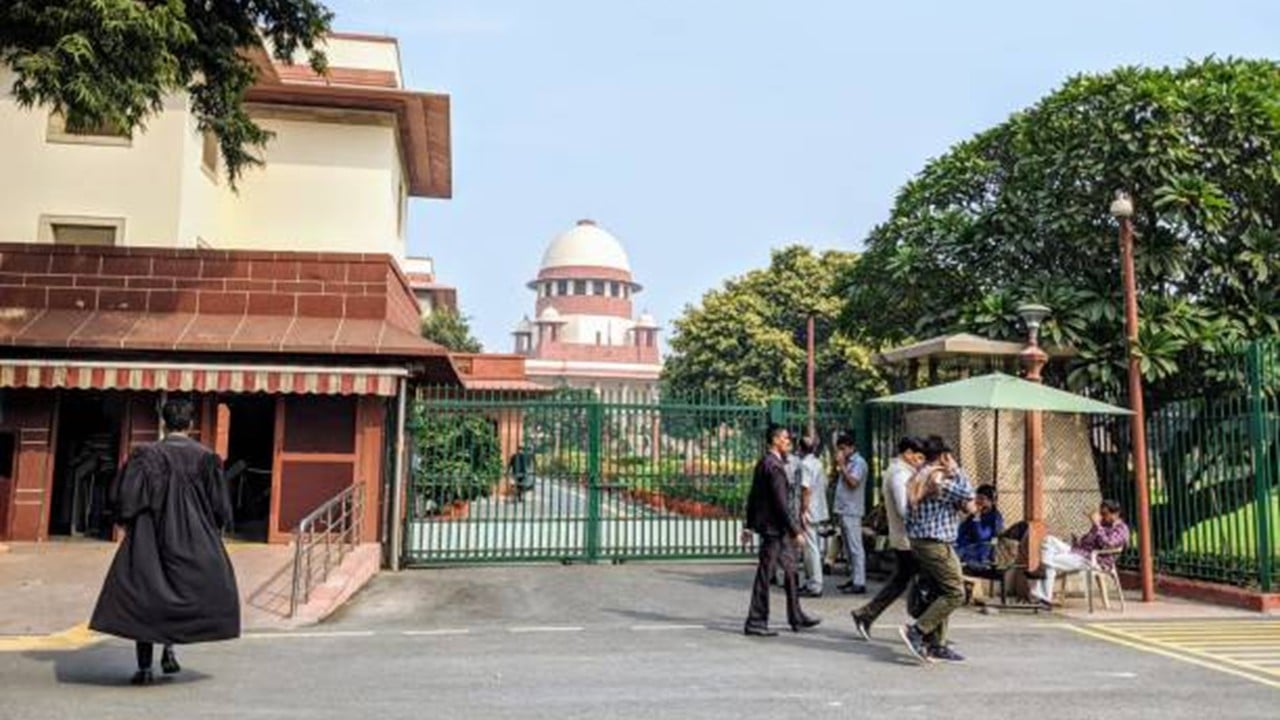
SC reinstates criminal proceedings against MLA Rajendra Singh and others for allegedly forging caste certificate to contest an SC-reserved seat; directs trial within one year.
SC revives prosecution of MLA and co-accused for allegedly forging caste certificate to contest a reserved seat
 Meetu Kumari
 Nov 12, 2025
SC Restores Criminal Trial Over Fake Caste Certificate Election Fraud to Face Full Judicial Scrutiny
The case originated from a criminal complaint (No. 1072/2014) filed by Komal Prasad Shakya before the Chief Judicial Magistrate, Guna, Madhya Pradesh. The complaint alleged that Rajendra Singh, a candidate from the 029-Guna (SC-reserved) Assembly constituency, fraudulently procured a false Scheduled Caste (Sansi) certificate to contest elections despite belonging to the general category. His father Amrik Singh, along with others including Harvir Singh and Kiran Jain, was accused of forgery, conspiracy, and cheating under Sections 420, 467, 468, 471, and 120B IPC. The complaint detailed how the accused colluded to produce false affidavits, forged panchnamas, and manipulated official records to secure the certificate.
The Trial Court (May 2014), after recording preliminary evidence, took cognizance and issued summons against Rajendra Singh for offences under Sections 420, 467, 468, 471 IPC, and against the other three accused under Sections 420, 467, 468, 471 read with 120B IPC. A revision petition filed by the accused was dismissed, and the matter was committed to the Sessions Court. However, in June 2016, the Madhya Pradesh High Court (Gwalior Bench) quashed the entire criminal complaint, holding that the accused’s actions stemmed from “ignorance of law” and not from any intent to cheat, noting that procedural lapses in issuance of the certificate did not constitute forgery or deception.
Aggrieved, the complainant and two intervenors (social activists Rakesh Mishra and Anil Sharma) approached the Supreme Court, contending that the High Court exceeded its jurisdiction under Section 482 CrPC by conducting a “mini-trial” and exonerating the accused despite strong prima facie material showing deliberate misrepresentation and forgery to secure electoral advantage.
Central Issue: Whether the High Court erred in quashing criminal proceedings for offences of cheating, forgery, and conspiracy relating to a fake caste certificate obtained to contest a reserved legislative seat.
SC Decided: The SC allowed the appeals, holding that the High Court had grossly overstepped its revisional powers by entering into factual analysis and pre-judging the evidence. The Supreme Court observed that the complaint and the caste certificate scrutiny record prima facie disclosed the commission of offences under Sections 420, 467, 468, 471, and 120B IPC. It reiterated that allegations of forging public documents to obtain caste benefits constitute a cognizable and serious offence warranting full trial.
The Court noted that the Caste Certificate Scrutiny Committee (Bhopal) had already found that the certificate was illegally issued without verifying residency or caste status before 1950 and that disciplinary action was recommended against the officers involved. Therefore, to dismiss the prosecution as a result of “legal illiteracy” or “lack of awareness” was speculative and untenable. The Bench underscored that false caste claims strike at the integrity of the reservation system, and any manipulation of official records for electoral or employment benefits must be tested through trial, not summary discharge.
Accordingly, the Supreme Court set aside the High Court’s quashing order, restored Criminal Complaint Case No. 1072/2014, and revived the Trial Court’s cognizance order dated 28 May 2014. The Court directed the Chief Judicial Magistrate, Guna, to resume proceedings and conclude the trial within one year, emphasizing that all observations in the appellate order were only prima facie and should not influence the trial.
To Read Full Judgment, Download PDF Given Below
About Author


Meetu Kumari
Content Manager
Meetu Kumari is an Experienced Advocate and Content Writer with 4+ years of demonstrated history of working in the law practice industry. Skilled in Developing Content, Researching, and Drafting. Strong professional with a Bachelor of Science (B.Sc.) focused on Law from Gujarat National Law University.
Meetu Kumari is an Experienced Advocate and Content Writer with 4+ years of demonstrated history of working in the law practice industry. Skilled in Developing Content, Researching, and Drafting. Strong professional with a Bachelor of Science (B.Sc.) focused on Law from Gujarat National Law University.
 Studycafe
 Jodhpur, Rajasthan, India
 2264
2264My Recent Articles
- ITAT Condones 302-Day Delay, Restores Salary Assessment for Fresh VerificationPremium
- ITAT Condones Delay After Tax Consultant's Death, Restores Appeals for Fresh HearingPremium
- ITAT Remands Salary Addition, Says Taxability Depends on Salary Becoming Due, Not Mere ReceiptPremium
- ITAT Deletes TP Royalty Adjustment, Orders Fresh Review of Commission BenchmarkingPremium
- ITAT Quashes Reassessment Over Unsigned Section 148 Notice Issued to AssesseePremium
Up Next
Loading suggestions…


Recent Posts
All Posts


Recent Posts
All Posts