SEBI Tightens Scrutiny of Rajesh Exports as Unexplained Revenue Gap, Questionable Gold Mine Investment and Fund Transfers Raise Red Flags:

SEBI has upheld the trading ban on Rajesh Exports Chairman Rajesh Mehta amid serious concerns over financial irregularities, unexplained revenue discrepancies and corporate governance lapses.
Rajesh Exports Under SEBI Scanner
 Vanshika verma
 Oct 15, 2026
The Securities and Exchange Board of India (SEBI) has confirmed its interim order barring Rajesh Mehta, chairman of Rajesh Exports Limited (REL), from buying, selling or dealing in the company’s shares until further orders. In an order passed on Wednesday, October 14, SEBI Whole Time Member Kamlesh C. Varshney upheld the restrictions and directed the company and its promoter to cooperate with the ongoing forensic audit and provide accurate and complete information.
SEBI took action following allegations of major financial irregularities, questionable transactions and failures in corporate governance at the gold refining company. The regulator raised concerns over a large gap between REL’s reported revenues and those of its Swiss subsidiary, Valcambi SA. While REL reported consolidated revenues of more than Rs 15 lakh crore between the financial years 2020-21 and 2024-25, Valcambi reported standalone revenues of only Rs 3,027.38 crore. SEBI said the nearly 99% gap remained unexplained.

The regulator also questioned an investment of Rs 1,035.27 crore in gold mines in Africa, which it said could not be verified. It further flagged the adjustment of Rs 2,914 crore in overdue trade receivables, raising concerns about the company’s financial reporting.
Another major concern was the movement of company funds through the personal bank accounts of Rajesh Mehta and his son, Siddharth Mehta. SEBI rejected the company’s argument that Mehta was only acting as an authorised intermediary for business transactions. The regulator said transferring company money into a director’s personal account raises serious concerns, even if the funds are eventually used for company purposes. It added that such transactions cannot be justified after the fact and may violate disclosure requirements.

SEBI also criticised REL’s admission that it routed Rs 77 crore through Mehta’s personal bank account to make a court deposit without revealing the company’s identity to the Karnataka High Court. According to the order, Mehta said the move was intended to create uncertainty about who was responsible for the liability. SEBI said this raised serious questions about the company’s governance and its willingness to provide accurate information to the courts.
The regulator also rejected REL’s refusal to provide customer and vendor information, citing Swiss confidentiality laws and private non-disclosure agreements.
SEBI said, "Contractual arrangements cannot determine the scope of the regulatory requirements that may be required by SEBI in discharge of its statutory functions and thus cannot be relied upon by the Noticees to bypass the regulatory obligations. If such a defense were to be accepted, all listed companies could circumvent regulatory disclosures in the grab of private confidentiality arragements and investors' interest could be seriously undermined."
SEBI directed the forensic auditor and investigating authority to speed up their investigation. It said continuing the trading restrictions on Rajesh Mehta was necessary to protect investors and maintain the integrity of the securities market while the probe continues.
About Author


Vanshika verma
Content Writer
 Studycafe
 Delhi, Delhi, India
 2088
2088My Recent Articles
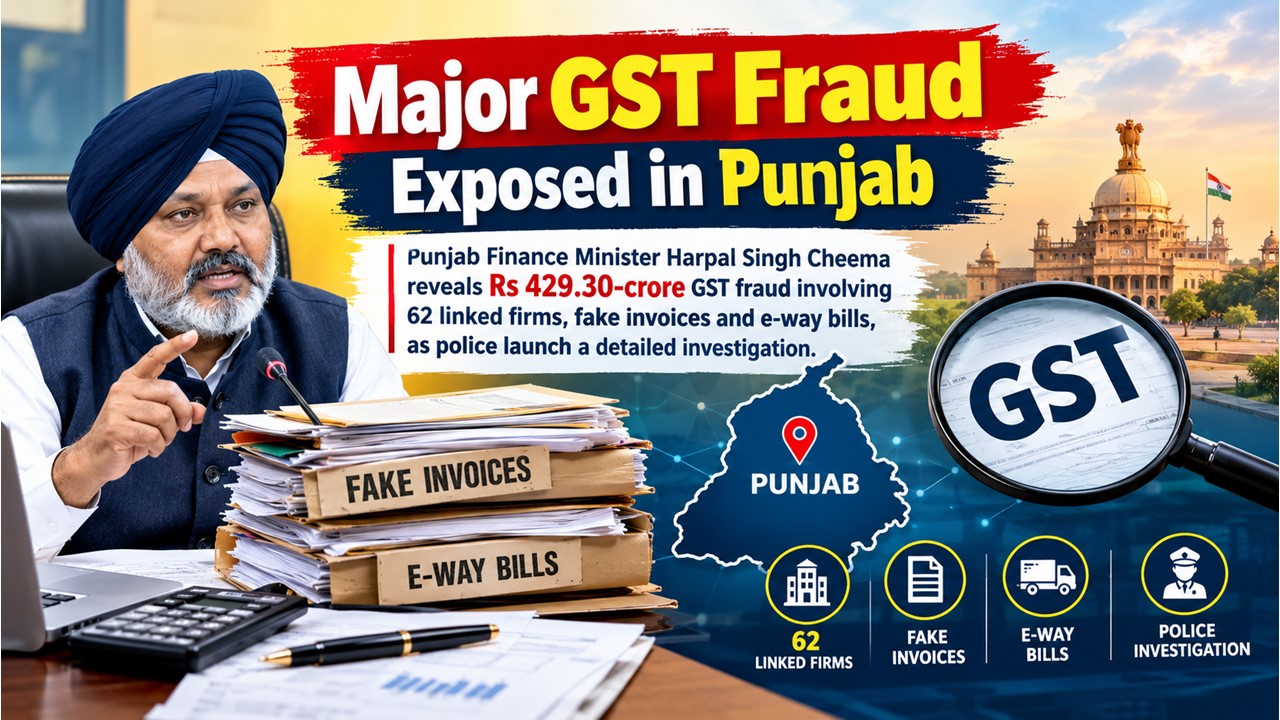
- Major GST Fraud Exposed in Punjab as Investigation Reveals 62 Linked Firms and Suspected Fake Billing Network
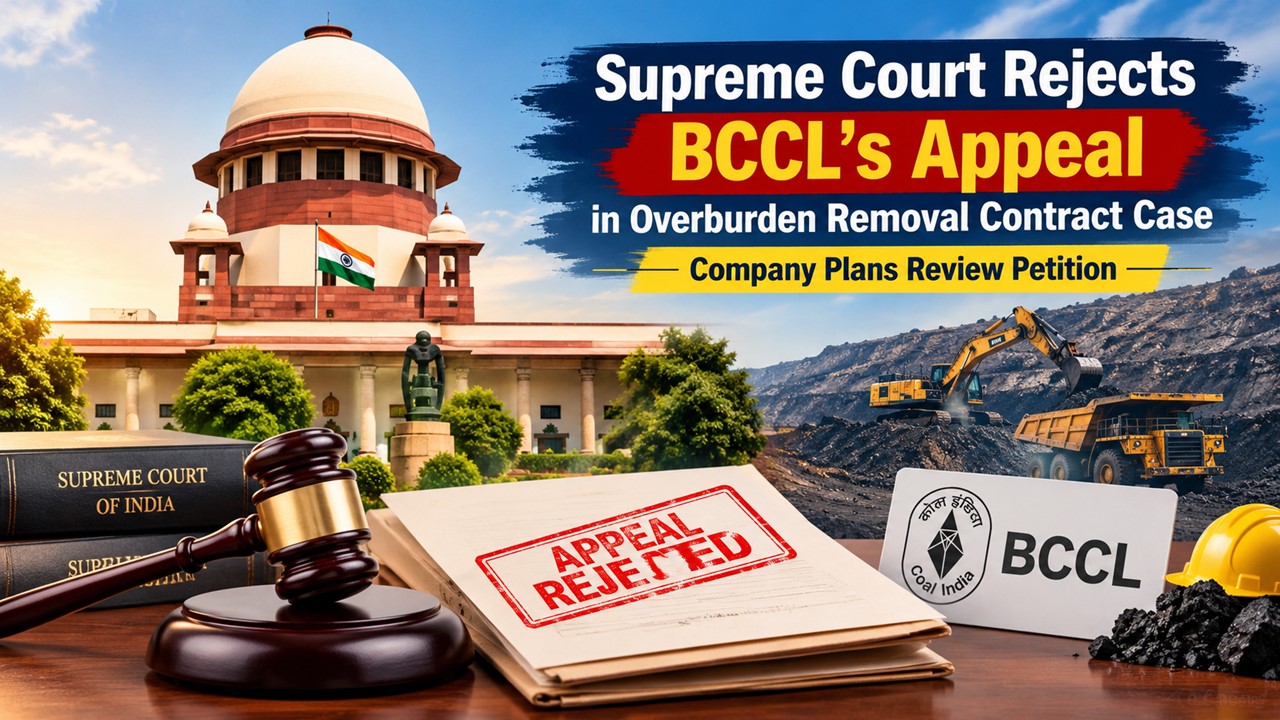
- Supreme Court Rejects BCCL’s Appeal in Overburden Removal Contract Case; Company Plans Review Petition
- CBDT Revises Form 161 For Penalty Waiver on October 8: Key Changes Taxpayers Should Know
- ICAI CA Inter Result 2026 Date Update: September Session Results Likely to Be Declared by October 22
- Big Relief for Truck Drivers and Transporters! Government Plans New GST Rules to Stop Unnecessary Checking of Goods Vehicles
Loading suggestions…


Recent Posts

All Posts
Tags
Recent Posts
All Posts