Supreme Court Upholds Withdrawal of Tax Exemption, Grants One-Year Transition Relief to Reliance:
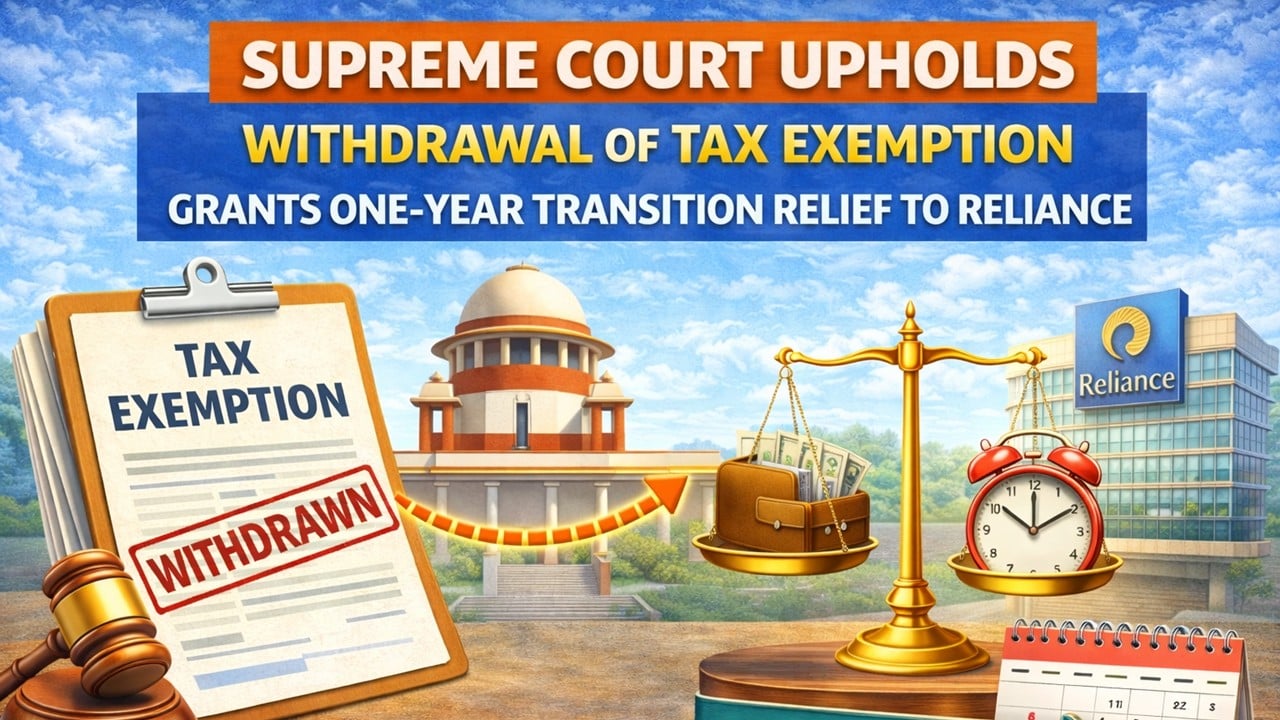
Supreme Court Rules Tax Exemptions Are Defeasible but Must Be Withdrawn Fairly with Reasonable Notice
Tax exemption withdrawal valid but requires fair transition period for industries
 Meetu Kumari
 Apr 4, 2026
Premium
Supreme Court Upholds Withdrawal of Tax Exemption, Grants One-Year Transition Relief to Reliance
Supreme Court Rules Tax Exemptions Are Defeasible but Must Be Withdrawn Fairly with Reasonable Notice
Also Read
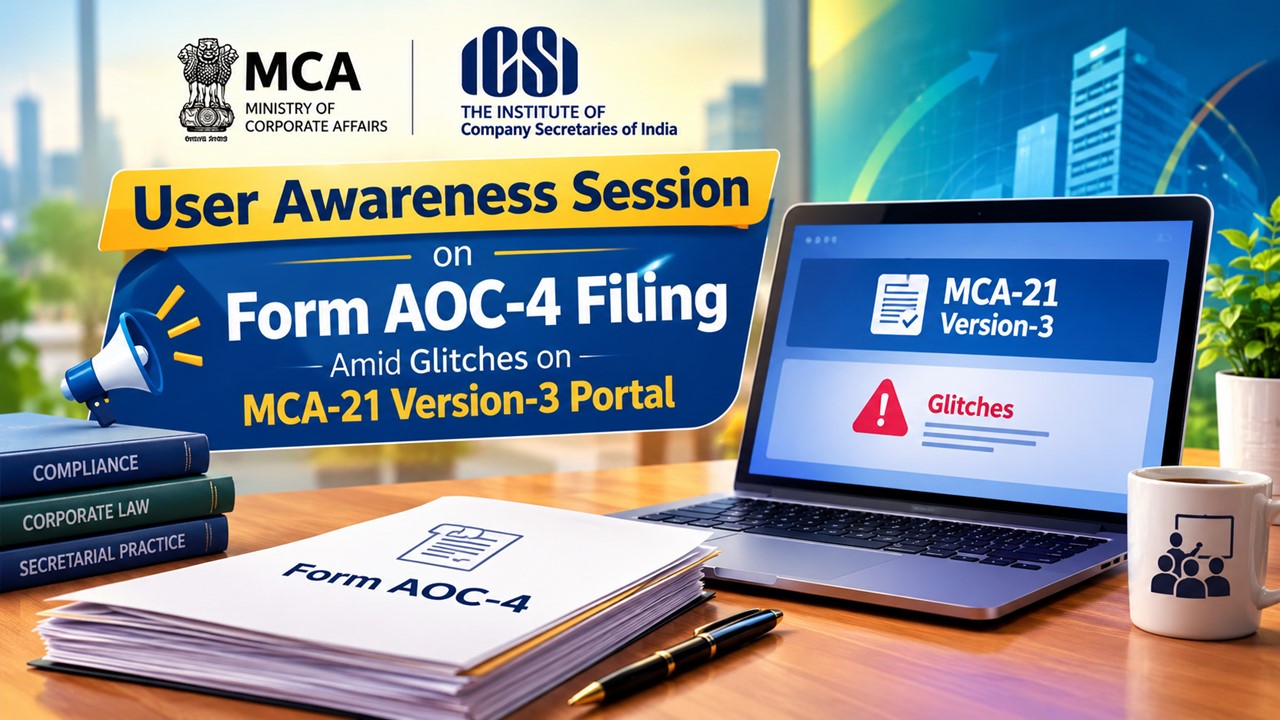
MCA and ICSI to Hold User Awareness Session on Form AOC-4 Filing Amid Glitches on MCA-21 Version-3 PortalFlexi Cap vs Multi Cap Funds: What's the Real Difference?IBA Recommends Public Sector Banks to Reduce Ambit of Physical Branch Audits to 50% of Total Business Supreme Court Rejects BCCL’s Appeal in Overburden Removal Contract Case; Company Plans Review Petition
About Author


Meetu Kumari
Content Manager
Meetu Kumari is an Experienced Advocate and Content Writer with 4+ years of demonstrated history of working in the law practice industry. Skilled in Developing Content, Researching, and Drafting. Strong professional with a Bachelor of Science (B.Sc.) focused on Law from Gujarat National Law University.
Meetu Kumari is an Experienced Advocate and Content Writer with 4+ years of demonstrated history of working in the law practice industry. Skilled in Developing Content, Researching, and Drafting. Strong professional with a Bachelor of Science (B.Sc.) focused on Law from Gujarat National Law University.
 Studycafe
 Jodhpur, Rajasthan, India
 2264
2264My Recent Articles
- ITAT Condones 302-Day Delay, Restores Salary Assessment for Fresh VerificationPremium
- ITAT Condones Delay After Tax Consultant's Death, Restores Appeals for Fresh HearingPremium
- ITAT Remands Salary Addition, Says Taxability Depends on Salary Becoming Due, Not Mere ReceiptPremium
- ITAT Deletes TP Royalty Adjustment, Orders Fresh Review of Commission BenchmarkingPremium
- ITAT Quashes Reassessment Over Unsigned Section 148 Notice Issued to AssesseePremium
Up Next
Loading suggestions…


Recent Posts
All Posts

Recent Posts
All Posts