What is Exam Anxiety and How to Reduce it?:
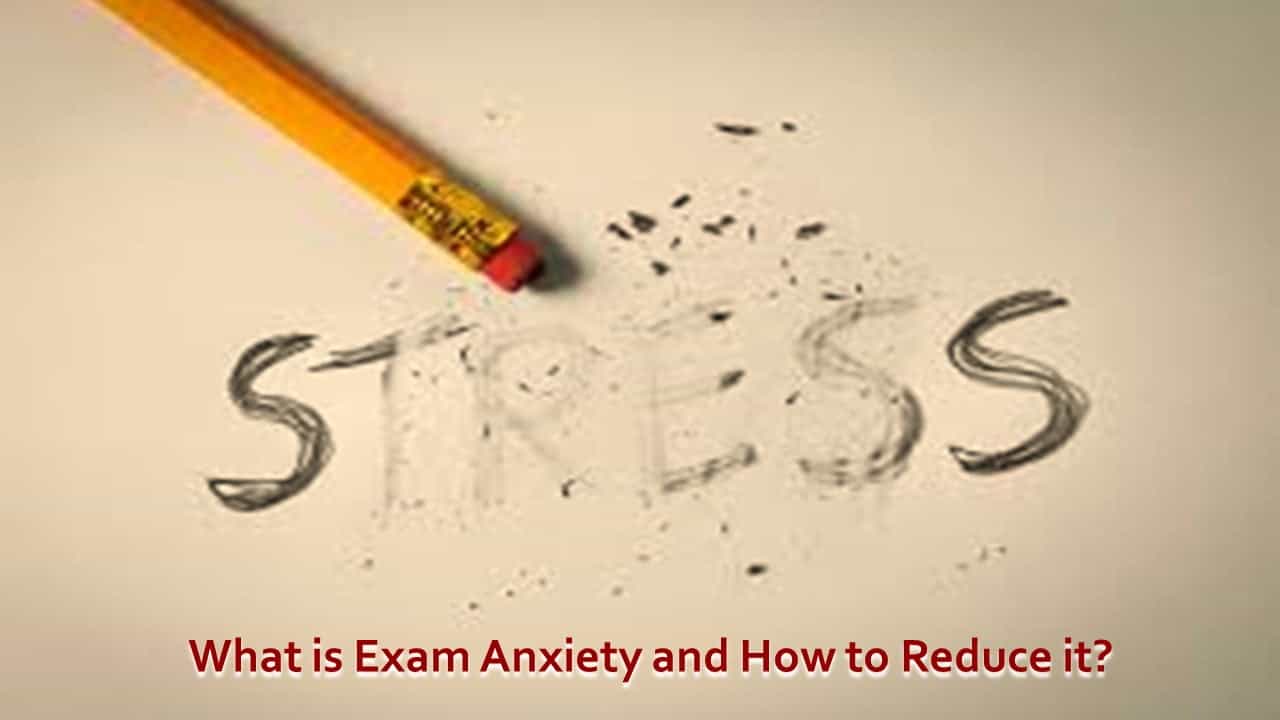
What is Exam Anxiety and How to Reduce Exam Anxiety? What is Exam Anxiety and How to Reduce Exam Anxiety? What is Exam Anxiety and How to Reduce Exam Anxiety?
What is Exam Anxiety and How to Reduce Exam Anxiety?
 Meetu Kumari
 Jan 12, 2023
What is Exam Anxiety and How to Reduce it?
Exam anxiety is a common feeling that many people experience before, during, or after taking an exam. It is completely normal to feel a certain level of stress or anxiety before an important test, but for some people, the anxiety can be so severe that it interferes with their ability to focus and perform to the best of their abilities.
Exam anxiety can manifest in a variety of physical and emotional symptoms, including rapid heartbeat, sweaty palms, shortness of breath, headaches, nausea, difficulty sleeping, and difficulty concentrating. It can also lead to negative thoughts and self-doubt, such as feeling like you're not prepared or that you're going to fail.
There are several factors that can contribute to exam anxiety, including lack of preparation, fear of failure, perfectionism, and external pressures. For some people, the pressure to succeed academically can be overwhelming, especially if they feel like their future prospects depend on their test scores. Additionally, past experiences of failing or underperforming on exams can contribute to anxiety about future tests.
Below are some tricks/tips to reduce exam anxiety:
- Prepare, prepare, prepare: One of the biggest contributors to exam anxiety is the feeling of not being prepared. Make a study schedule and stick to it, and try to cover all of the material that will be on the exam. If you're unsure about something, ask your teacher or a tutor for help.
- Take care of yourself: It's important to take care of your physical and mental health in order to perform your best on an exam. Make sure to get enough sleep, eat well, and exercise regularly. Avoid cramming the night before the exam, as this can actually lead to increased anxiety and decreased performance.
- Practice relaxation techniques: There are several relaxation techniques that can help reduce exam anxiety, such as deep breathing, progressive muscle relaxation, and visualization. Find one that works for you and practice it regularly to help calm your mind and body before an exam.
- Use positive self-talk: Negative thoughts and self-doubt can contribute to exam anxiety. Try to counter these negative thoughts with positive affirmations, such as "I am prepared for this exam" or "I have the knowledge and skills to succeed."
- Seek support: If your exam anxiety is severe and is interfering with your ability to function, it may be helpful to seek support from a mental health professional. They can help you identify the underlying causes of your anxiety and develop coping strategies to manage it.
About Author


Meetu Kumari
Content Manager
Meetu Kumari is an Experienced Advocate and Content Writer with 4+ years of demonstrated history of working in the law practice industry. Skilled in Developing Content, Researching, and Drafting. Strong professional with a Bachelor of Science (B.Sc.) focused on Law from Gujarat National Law University.
Meetu Kumari is an Experienced Advocate and Content Writer with 4+ years of demonstrated history of working in the law practice industry. Skilled in Developing Content, Researching, and Drafting. Strong professional with a Bachelor of Science (B.Sc.) focused on Law from Gujarat National Law University.
 Studycafe
 Jodhpur, Rajasthan, India
 2264
2264My Recent Articles
- ITAT Condones 302-Day Delay, Restores Salary Assessment for Fresh VerificationPremium
- ITAT Condones Delay After Tax Consultant's Death, Restores Appeals for Fresh HearingPremium
- ITAT Remands Salary Addition, Says Taxability Depends on Salary Becoming Due, Not Mere ReceiptPremium
- ITAT Deletes TP Royalty Adjustment, Orders Fresh Review of Commission BenchmarkingPremium
- ITAT Quashes Reassessment Over Unsigned Section 148 Notice Issued to AssesseePremium
Up Next
Loading suggestions…


Recent Posts


All Posts

Tags
No tags yet.
Recent Posts
All Posts
Tags
No tags yet.