The High Court of Chhattisgarh rejected anticipatory bail of two accused involved in a Rs. 27 crore GST fraud through fake invoices and fraudulent ITC claims via a shell firm, holding them to be key conspirators backed by strong evidence.
Aishwarya Singh | May 4, 2026 |

GST Fraud Anticipatary Bail Denied for the Key Accused in Fake Invoice Scheme
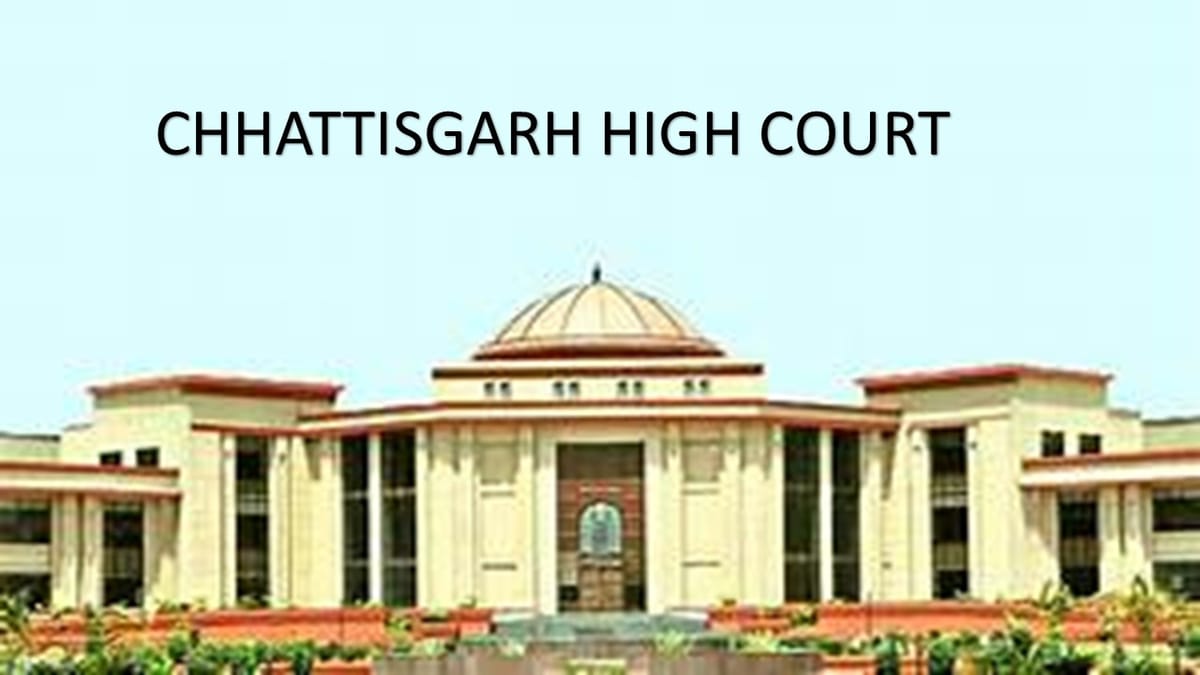
The High Court of Chhattisgarh at Bilaspur, led by Chief Justice Ramesh Sinha, denied Anticipatory Bail to Rohan Tanna and Chandrasekhar Chandrakar. Both stand accused in a massive GST Input Tax Credit (ITC) fraud. The court said the seriousness of this organized economic crime, backed by both documents and electronic evidence, meant they couldn’t be granted bail before arrest.
Fact of the Case

Investigators found that Tanna and Chandrakar played key roles in a fake invoice racket. Chandrakar acted as the go-between, helping circulate bogus invoices between Tanna and another accused, Chandan Gupta. WhatsApp chats between the three revealed coordinated involvement. Gupta was caught on January 22, 2026, and is still in jail.
Issue before the Court
Whether Tanna and Chandrakar deserved anticipatory bail under Section 482 of the Bharatiya Nagarik Suraksha Sanhita, 2023, for offenses under several sections of the Central Goods and Services Tax Act, 2017.

Court Observation
The court looked closely at the evidence. They found that Ms. Shristi Construction was basically a front for issuing fake GST invoices. Tanna was at the centre, running the firm’s GST and finances, while Chandrakar helped push out the fake paperwork. The judges did not buy the argument that the case relied only on co-accused statements; the documentary proof, banking records, GST data, and those WhatsApp chats all pointed the same way.
They were also clear that these offences are not minor or easily settled out of court. Section 132(1)(b) of the CGST Act, which covers fake invoice crimes, was made non-compoundable by an October 2023 amendment showing lawmakers want these cases treated seriously. Just because most of the evidence is paperwork does not mean custodial interrogation is not needed, especially with ongoing investigations covering multiple states and several intertwined transactions. The court stressed that economic offences like this are a different beast and require a tough approach on bail, since they involve complex conspiracies and big losses to the public purse.
Judgement
The court also called out Tanna’s lack of cooperation. He gave dodgy and misleading answers, promised paperwork he never delivered, and ignored court summons repeatedly.
So, in the end, the court found that both men were key players in a GST fraud of about Rs 27 crore. They saw no reason to grant antipicatory bail, and rejected both applications for Tanna and Chandrakar. Chief Justice Ramesh Sinha delivered this order on April 20, 2026.

In case of any Doubt regarding Membership you can mail us at [email protected]
Join Studycafe's WhatsApp Group or Telegram Channel for Latest Updates on Government Job, Sarkari Naukri, Private Jobs, Income Tax, GST, Companies Act, Judgements and CA, CS, ICWA, and MUCH MORE!"