The High Court decided that even though the government took five years to finish the tax case, the company still has to follow the normal appeal rules instead of jumping straight to the High Court. The judges explained that because the Supreme Court is already deciding if these kinds of long delays are legal, the company can just file a regular appeal and ask to wait for that final decision.
Khushi Jain | May 5, 2026 |
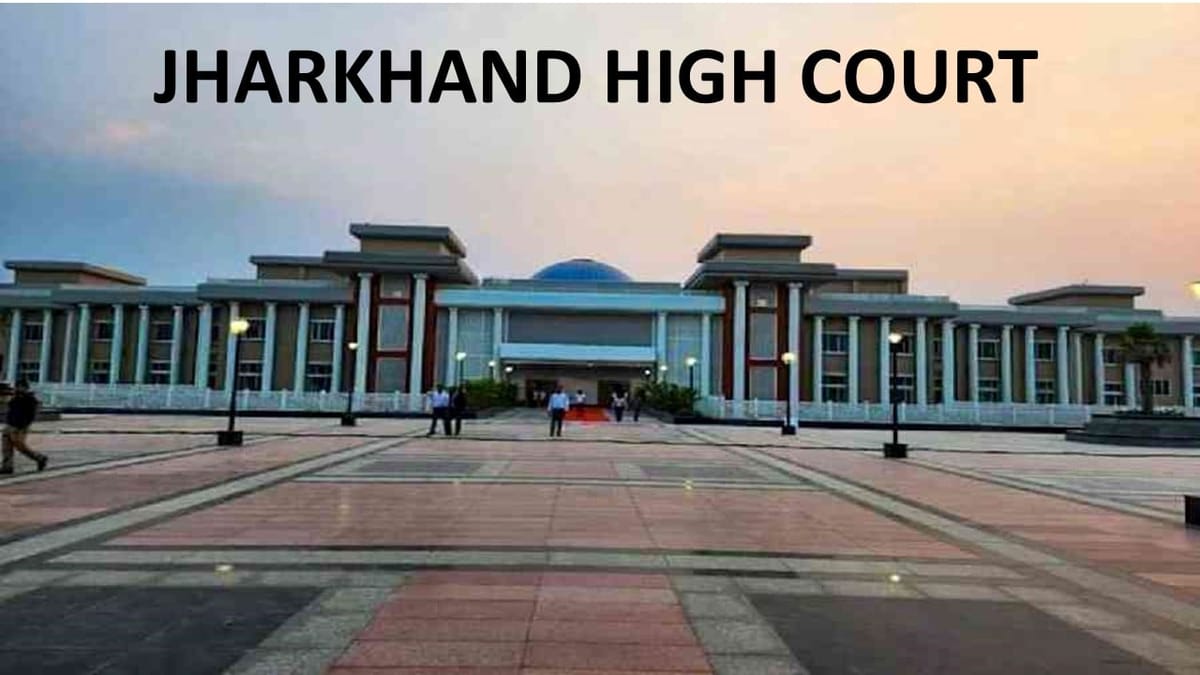

GST: Petitioner cannot be allowed to bypass statutory regime and challenge Order-In-Original directly before High Court
The petitioner, a construction company based in Deoghar, Jharkhand, filed a writ petition to challenge a formal tax demand dated September 29, 2025, primarily on the grounds of an unreasonable five-year delay between the initial notice in 2020 and the final order in 2025. The company argued that this significant timeline gap should automatically invalidate the demand while further asserting that their work on government projects should have qualified for tax exemptions.
Additionally, the petitioner claimed that an alternative appeal was not a viable remedy because they lacked the financial capacity to pay the “pre-deposit” required by statute, a claim they supported by submitting extracts of their audited account books to the court.

Issue of the case
Can a taxpayer bypass the normal appeal process and go directly to the High Court just because the government took too long to decide their case?
Decision of the Court

The High Court declined to intervene, ruling that the petitioner must follow the standard appeal process despite the delay. The court reasoned that since the Supreme Court is currently deciding the broader legality of delayed adjudications in the GMR Airport Infrastructure Ltd case, the petitioner can simply ask the appellate authority to stay proceedings until that verdict is reached.
Furthermore, the Court clarified that the right to appeal is a statutory privilege conditioned on requirements like “pre-deposit”, which cannot be waived based solely on a claim of financial hardship. Ultimately, the petition was disposed of with a four-week extension for the company to file a proper appeal, ensuring the case is heard on its merits if statutory conditions are met.

In case of any Doubt regarding Membership you can mail us at [email protected]
Join Studycafe's WhatsApp Group or Telegram Channel for Latest Updates on Government Job, Sarkari Naukri, Private Jobs, Income Tax, GST, Companies Act, Judgements and CA, CS, ICWA, and MUCH MORE!"