Advance Tax Payment: Meaning, Exemption, and Due Date:
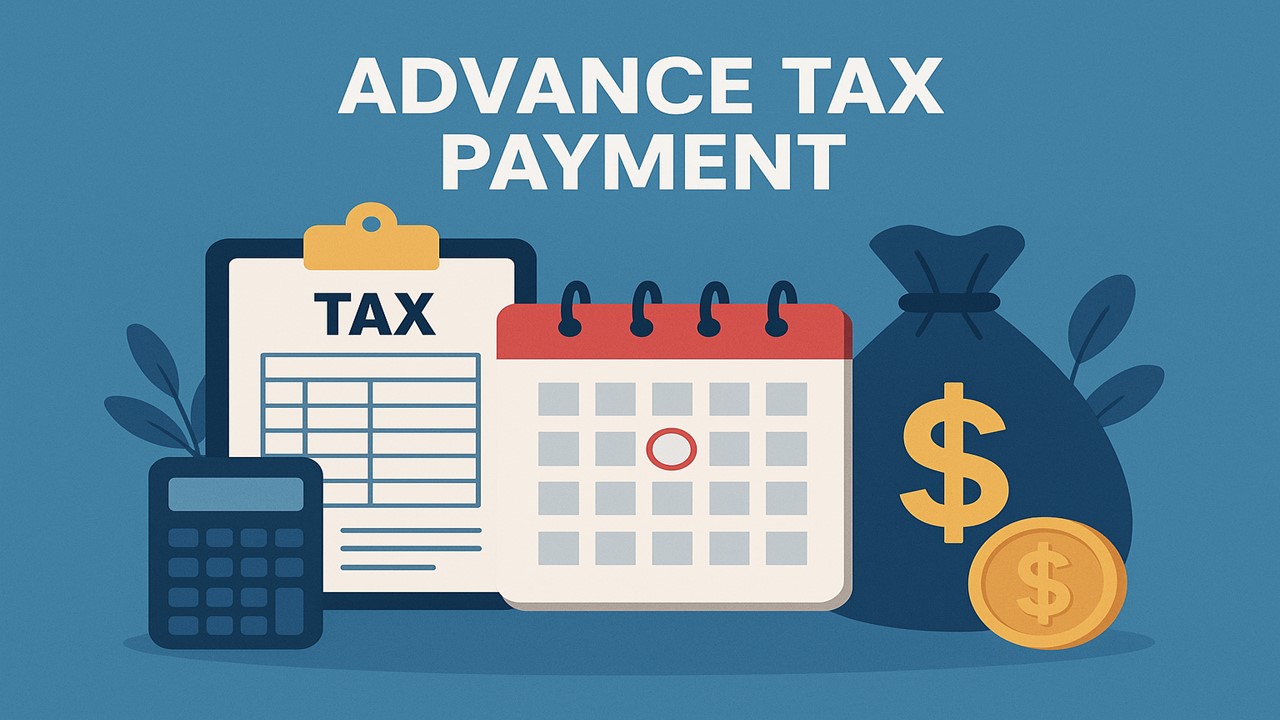
The Due date to pay the third instalment of advance tax payments for FY 2025-26 is December 15, 2025.
Advance Tax Payment: Who Are Exempt?
 Nidhi
Nidhi Dec 6, 2025
Table of Contents

Advance Tax Payment: Meaning, Exemption, and Due Date
Advance Tax must be paid by taxpayers whose net income tax liability is more than Rs 10,000 in a financial year. The Tax liability is estimated by estimating the total income of the taxpayers at the beginning of the financial year.
The taxpayers must note that the advance tax must be paid only if the net tax liability after TDS is more than Rs 10,000. If the net tax liability is less than that, the advance tax payment is not mandatory.
The advance tax is required to be paid in four instalments on the due dates specified by the Income Tax Department. The Due date to pay the third instalment of advance tax payments for FY 2025-26 is December 15, 2025.
Who is Exempt from Paying Advance Tax?
As per section 208 of the Income Tax Act, any person whose estimated tax liability for the financial year is more than Rs 10,000 is required to pay the advance tax. This provision is applicable to all taxpayers, including salaried individuals, businesses, and freelancers. However, the Income Tax Act provides key exemptions for some specified persons. Senior citizens (people aged 60 or more) who do not have income from business or profession during the financial year are exempted from paying the advance tax. This means that if the total tax liability of senior citizens with no income from business or profession exceeds Rs 10,000, no advance tax payment is required to be made by such senior citizens. Additionally, the Advance Tax Payment exemption also applies to the salaried taxpayers whose tax liability is covered by TDS, if they do not have taxable income other than salary income.Advance Tax Payments That Cannot be Estimated
There are certain types of irregular or unpredictable income that cannot be estimated in advance for the quarterly payments. The Income Tax Law offers relaxation for such incomes by allowing the taxpayers to pay the advance tax on these incomes in the next quarter after the income is realised. The first proviso to sub-Section (1) of Section 234C of the Income Tax Act, 1961 offers relief to the taxpayers from penal interest if they have not paid advance tax on the income that is difficult to estimate in advance. Here are the incomes that cannot be estimated in advance:- Capital gains
- First-year business or profession income
- Dividend income, other than deemed dividend.
- Winnings from lotteries, gambling, crossword puzzles, horse races, card games, betting, or other games of chance.
Advance Tax Payment Due Dates
| Due Date | Advance Tax Payment % |
| On or before June 15 | 15% of the net estimated tax liability |
| On or before September 15 | 45% of the net estimated tax liability minus the advance tax already paid |
| On or before December 15 | 75% of the net estimated tax minus the advance tax already paid |
| On or before March 15 | 100% of net estimated tax minus advance tax already paid |
About Author


Nidhi
Content Writer
Nidhi is a skilled content writer specializing in personal finance. She creates clear, engaging articles on mutual funds, investments, insurance, and wealth-building strategies. With a passion for simplifying complex financial topics, Nidhi helps readers make informed money decisions with confidence. She can be reached at [email protected]
Nidhi is a skilled content writer specializing in personal finance. She creates clear, engaging articles on mutual funds, investments, insurance, and wealth-building strategies. With a passion for simplifying complex financial topics, Nidhi helps readers make informed money decisions with confidence. She can be reached at [email protected]
 Studycafe
 New Delhi, Delhi, India
 1832
1832My Recent Articles
- Karnataka High Court Gives Another Chance in GST Matter Due to Lack of Hearing
- Delay Should Be Condoned if Explanation is Unrefuted: ITAT
- Non-Service of Income Tax Notice, Ill health of taxpayer, ITAT condones Appeal filing delay
- Books of Accounts Cannot be Rejected Without Any Specific Defect: ITAT Kolkata
- Karnataka High Court Sends ITC Matter Back to GST Authorities for Reconsideration
Up Next
Loading suggestions…


Recent Posts


All Posts


Tags
Recent Posts
All Posts